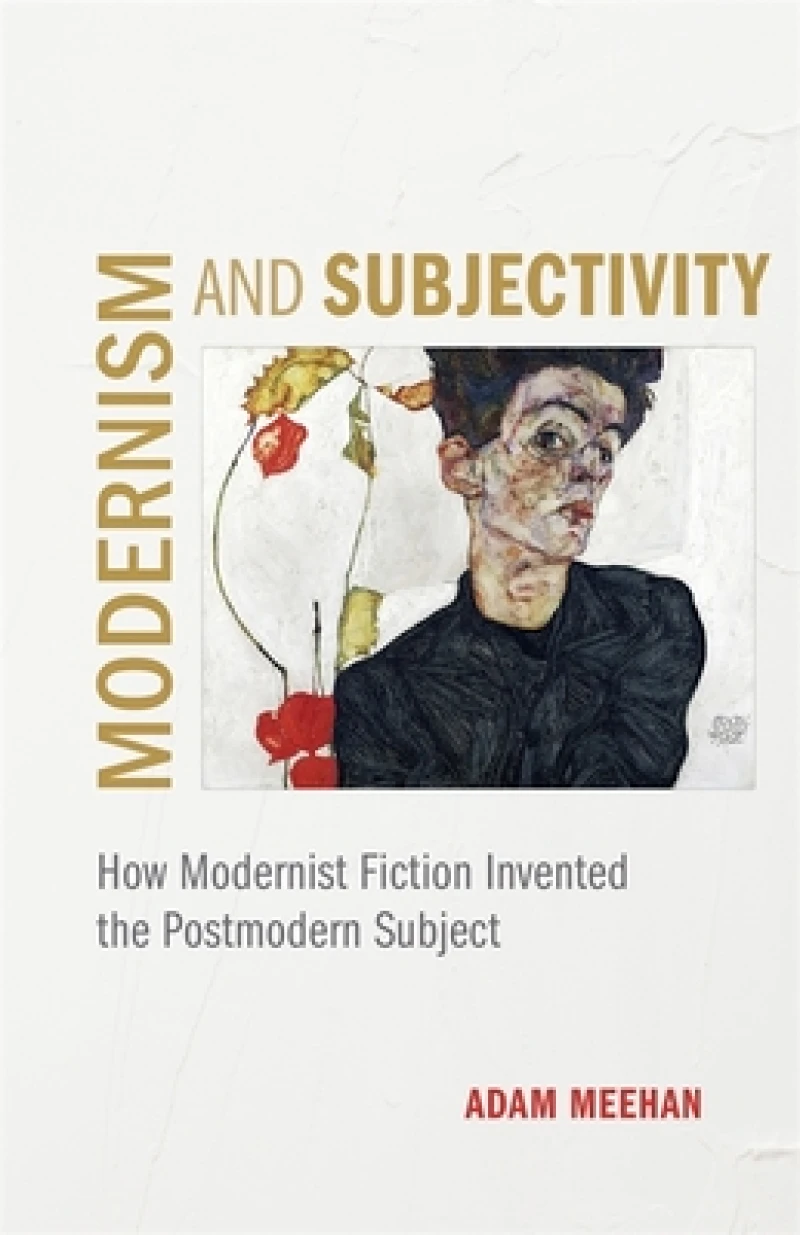
Modernism and Subjectivity : How Modernist Fiction Invented the Postmodern Subject
by
Adam Meehan
Book Details
Format
Hardback or Cased Book
ISBN-10
0807172189
ISBN-13
9780807172186
Publisher
Louisiana State University Press
Imprint
Louisiana State University Press
Country of Manufacture
US
Country of Publication
GB
Publication Date
Jun 3rd, 2020
Print length
214 Pages
Weight
400 grams
Dimensions
14.70 x 22.30 x 2.10 cms
Ksh 7,000.00
Werezi Extended Catalogue
Delivery in 12 days
1 copies in stock
Delivery Location
Delivery fee: Select location
Delivery in 12 days
Secure
Quality
Fast
Focusing on the philosophical registers of literary texts, Adam Meehan traces the development of modernist attitudes toward subjectivity, particularly in relation to issues of ideology, spatiality, and violence. His analysis explores a selection of works published between 1904 and 1941.
In Modernism and Subjectivity: How Modernist Fiction Invented the Postmodern Subject, Adam Meehan argues that theories of subjectivity coming out of psychoanalytic, poststructuralist, and adjacent lateÂ-twentieth-Âcentury intellectual traditions had already been articulated in modernist fiction before 1945. Offering a bold new genealogy for literary modernism, Meehan finds versions of a postmodern subject embodied in works by authors who intently undermine attempts to stabilize conceptions of identity and who draw attention to the role of language in shaping conceptions of the self.
Focusing on the philosophical registers of literary texts, Meehan traces the development of modernist attitudes toward subjectivity, particularly in relation to issues of ideology, spatiality, and violence. His analysis explores a selection of works published between 1904 and 1941, beginning with Joseph Conrad's prescient portrait of the subject interpolated by ideology and culminating with Samuel Beckett's categorical disavowal of the subjective ""I."" Additional close readings of novels by F. Scott Fitzgerald, Aldous Huxley, James Joyce, Nathanael West, and Virginia Woolf establish that modernist texts conceptualize subjectivity as an ideological and linguistic construction that reverberates across understandings of consciousness, race, place, and identity.
By reconsidering the movement's function and scope, Modernism and Subjectivity charts how profoundly modernist literature shaped the intellectual climate of the twentieth century.
Focusing on the philosophical registers of literary texts, Meehan traces the development of modernist attitudes toward subjectivity, particularly in relation to issues of ideology, spatiality, and violence. His analysis explores a selection of works published between 1904 and 1941, beginning with Joseph Conrad's prescient portrait of the subject interpolated by ideology and culminating with Samuel Beckett's categorical disavowal of the subjective ""I."" Additional close readings of novels by F. Scott Fitzgerald, Aldous Huxley, James Joyce, Nathanael West, and Virginia Woolf establish that modernist texts conceptualize subjectivity as an ideological and linguistic construction that reverberates across understandings of consciousness, race, place, and identity.
By reconsidering the movement's function and scope, Modernism and Subjectivity charts how profoundly modernist literature shaped the intellectual climate of the twentieth century.
Get Modernism and Subjectivity by at the best price and quality guaranteed only at Werezi Africa's largest book ecommerce store. The book was published by Louisiana State University Press and it has pages.