
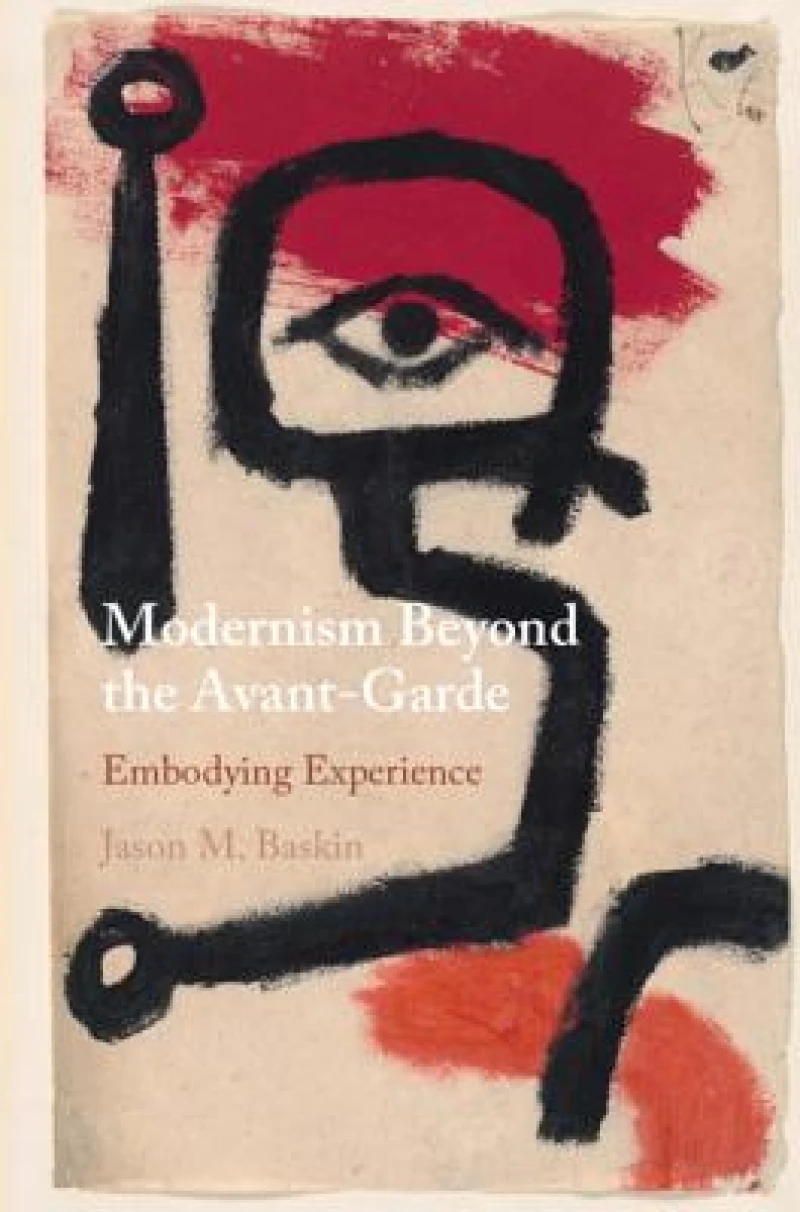
Modernism Beyond the Avant-Garde : Embodying Experience
Book Details
Format
Hardback or Cased Book
ISBN-10
1108423396
ISBN-13
9781108423397
Publisher
Cambridge University Press
Imprint
Cambridge University Press
Country of Manufacture
US
Country of Publication
GB
Publication Date
Nov 1st, 2018
Print length
234 Pages
Weight
48 grams
Dimensions
23.50 x 15.80 x 1.60 cms
Product Classification:
Literary studies: from c 1900 -Literary studies: fiction, novelists & prose writers
Ksh 17,800.00
Werezi Extended Catalogue
0 in stock
Delivery Location
Delivery fee: Select location
Secure
Quality
Fast
Jason M. Baskin presents a revisionist account of the transition from modernism to postmodernism through the prism of the theme of embodiment. Drawing on phenomenology and critical theory, he shows how Ezra Pound, Elizabeth Bishop, Ralph Ellison, Raymond Williams and Theodor Adorno used ideas of the body to adapt modernism to the postwar context.
Critics have traditionally maintained that capitalism''s resurgence after the Second World War precipitated the transition from modernism to postmodernism. This revisionist account shows that modernism does not simply decline. By foregrounding phenomenological conceptions of bodily experience, Jason M. Baskin reveals modernism''s ongoing vitality. Key postwar writers, critics and philosophers, including Elizabeth Bishop, Ezra Pound, Ralph Ellison and Raymond Williams, as well as Maurice Merleau-Ponty and Theodor Adorno, developed an aesthetics of embodiment that adapted modernism to a new postwar landscape. Working across differences of race, gender, national and intellectual tradition, genre and form, Baskin contends that these authors used ordinary bodily experiences, such as perception, memory and laughter, to imagine modes of common being and purpose that were otherwise unavailable in a postwar society dominated by liberal capitalism.
Get Modernism Beyond the Avant-Garde by at the best price and quality guaranteed only at Werezi Africa's largest book ecommerce store. The book was published by Cambridge University Press and it has pages.

