

Modernism''s Magic Hat : Architecture and the Illusion of Development Without Capital
Book Details
Delivery Location
Delivery fee: Select location
Delivery in 12 days
Examines the role of architecture in the history of global development and decolonization.
In Modernism’s Magic Hat, Ijlal Muzaffar examines how modern architects and planners help resolve one of the central dilemmas of the mid-twentieth-century world order: how to make decolonization plausible without accounting for centuries of capital drain under colonial rule. In the years after World War II, architects and planners found extensive opportunities in new international institutions-such as the World Bank, the UN, and the Ford Foundation-and helped shape new models of global intervention that displaced the burden of change onto the inhabitants. Muzaffar argues that architecture in this domain didn’t just symbolically represent power, but formed the material domain through which new modes of power acquired sense. Looking at a series of architectural projects across the world, from housing in Ghana to village planning in Nigeria and urban planning in Venezuela and Pakistan, Muzaffar explores how architects and planners shaped new ideas of time, land, climate, and the decolonizing body, making them appear as sources of untapped value. What resulted, Muzaffar argues, is a widespread belief in spontaneous Third World “development” without capital, which continues to foreclose any global discussion of colonial theft.
Get Modernism''s Magic Hat by Ijlal Muzaffar at the best price and quality guaranteed only at Werezi Africa's largest book ecommerce store. The book was published by University of Texas Press and it has 312 pages.
Customers Who Bought This Also Bought
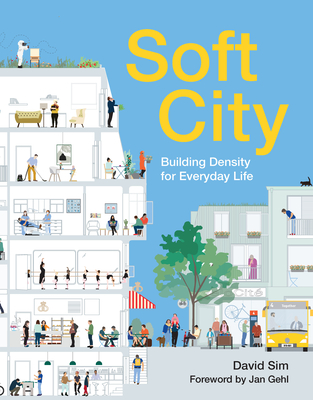
Soft City
KSh 5,750.00
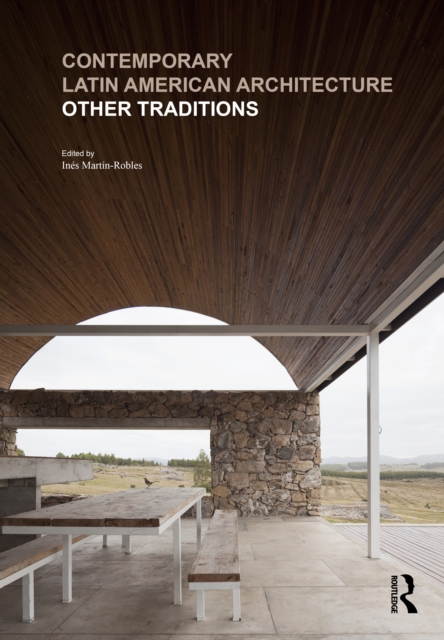
Contemporary Latin American Architecture
KSh 7,900.00
Contemporary Latin American Architecture
KSh 30,950.00

Night Rules
KSh 30,950.00
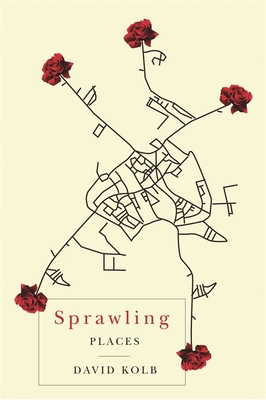
Sprawling Places
KSh 6,750.00
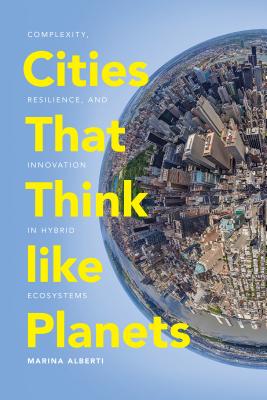
Cities That Think like Planets – Complexity, Resilience, and Innovation in Hybrid Ecosystems
KSh 12,400.00

Charleston and Savannah – The Rise, Fall, and Reinvention of Two Rival Cities
KSh 6,800.00

Inclusive Participation in Planning in the UK
KSh 30,950.00

Reinventing the River City
KSh 17,500.00
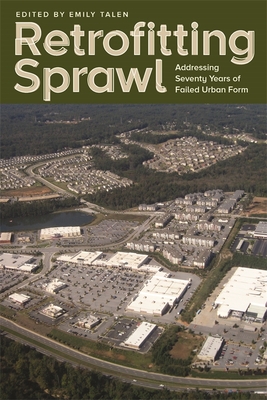
Retrofitting Sprawl
KSh 7,000.00

Avenues of Translation – The City in Iberian and Latin American Writing
KSh 22,300.00
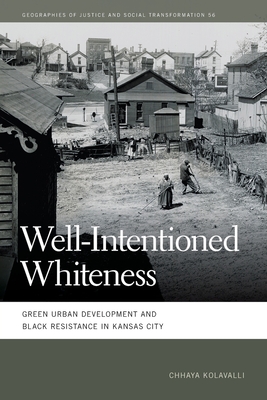
Well-Intentioned Whiteness
KSh 6,650.00
