

More is Less : Why Parties May Deliberately Write Incomplete Contracts
Book Details
Format
Paperback / softback
Book Series
Elements in Law, Economics and Politics
ISBN-10
1009396072
ISBN-13
9781009396073
Publisher
Cambridge University Press
Imprint
Cambridge University Press
Country of Manufacture
GB
Country of Publication
GB
Publication Date
May 23rd, 2024
Print length
34 Pages
Weight
68 grams
Dimensions
22.80 x 15.20 x 0.50 cms
Product Classification:
Economics
KSh 3,250.00
Currently unavailable
0 in stock
Delivery Location
Delivery fee: Select location
Secure
Quality
Fast
Why are contracts incomplete? Asymmetric information theories also have limitations. This Element offers an explanation based on contracts as 'reference points' showing if parties have different views about the division of surplus, an incomplete contract can be superior if including a contingency would lead to divergent reference points.
Why are contracts incomplete? Transaction costs and bounded rationality cannot be a total explanation since states of the world are often describable, foreseeable, and yet are not mentioned in a contract. Asymmetric information theories also have limitations. We offer an explanation based on 'contracts as reference points'. Including a contingency of the form, 'The buyer will require a good in event E', has a benefit and a cost. The benefit is that if E occurs there is less to argue about; the cost is that the additional reference point provided by the outcome in E can hinder (re)negotiation in states outside E. We show that if parties agree about a reasonable division of surplus, an incomplete contract is strictly superior to a contingent contract. If parties have different views about the division of surplus, an incomplete contract can be superior if including a contingency would lead to divergent reference points.
Get More is Less by Maija Halonen-Akatwijuka, Oliver Hart at the best price and quality guaranteed only at Werezi Africa's largest book ecommerce store. The book was published by Cambridge University Press and it has 34 pages.
Customers Who Bought This Also Bought
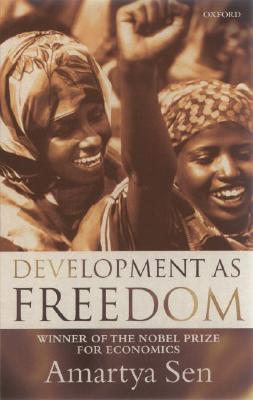
Development as Freedom
KSh 2,900.00

Breakneck
KSh 4,500.00
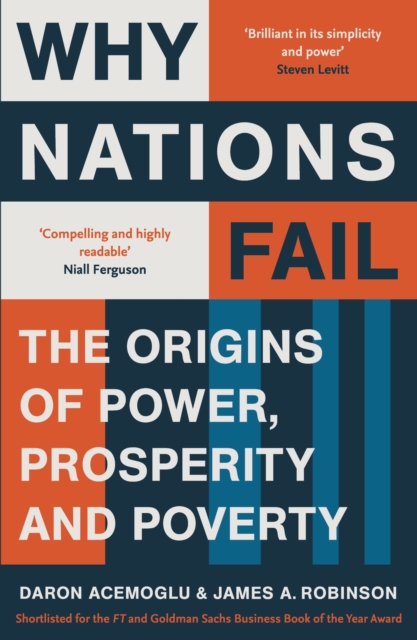
Why Nations Fail
KSh 2,350.00

Anti-Politics Machine
KSh 3,750.00

End of Poverty
KSh 2,350.00
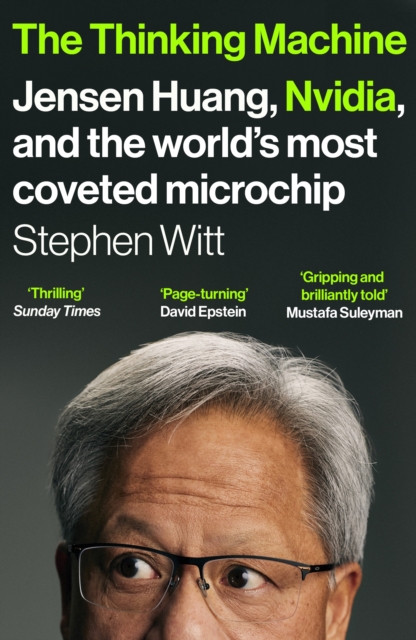
The Thinking Machine
KSh 2,350.00
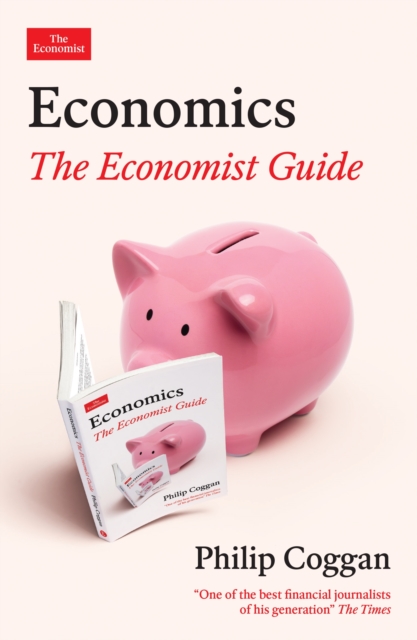
Economics: The Economist Guide
KSh 2,150.00
Apostles of Development
KSh 5,600.00
How Boards Work
KSh 2,350.00
Economic Facts and Fallacies
KSh 3,050.00

Eat That Frog!, Fourth Edition
KSh 3,250.00
Capitalism and Freedom
KSh 3,350.00
