
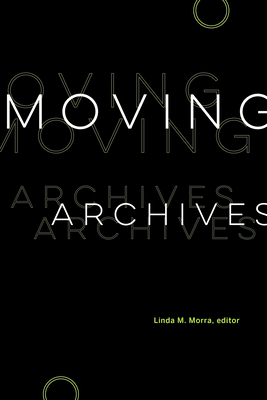
Moving Archives
Book Details
Format
Hardback
ISBN-10
1771124024
ISBN-13
9781771124027
Publisher
Wilfrid Laurier University Press
Imprint
Wilfrid Laurier University Press
Country of Manufacture
CA
Country of Publication
GB
Publication Date
Jan 15th, 2020
Print length
232 Pages
Weight
538 grams
Dimensions
16.10 x 23.50 x 2.30 cms
KSh 14,050.00
Currently unavailable
0 in stock
Delivery Location
Delivery fee: Select location
Secure
Quality
Fast
Grounds itself in the critical trajectory related to what Sara Ahmed calls affective economies to offer fresh insights about the process of archiving and approaching literary materials. These economies form the crucial affective contexts for the legitimization of archival caches in the present moment and for future use.
The image of the dusty, undisturbed archive has been swept away in response to growing interest across disciplines in the materials they house and the desire to find and make meaning through an engagement with those materials. Archival studies scholars and archivists are developing related theoretical frameworks and practices that recognize that the archives are anything but static. Archival deposits are proliferating, and the architects, practitioners, and scholars engaged with them are scarcely able to keep abreast of them. Archives, archival theory, and archival practice are on the move. But what of the archives that were once safely housed and have since been lost, or are under threat? What of the urgency that underscores the appeals made on behalf of these archives? As scholars in this volume argue, archives, their materialization, their preservation, and the research produced about them are moving in a different way: they are involved in an emotionally engaged and charged process, one that acts equally upon archival subjects and those engaged with them. So too do archives at once represent members of various communities and the fields of study drawn to them. Moving Archives grounds itself in the critical trajectory related to what Sara Ahmed calls affective economies to offer fresh insights about the process of archiving and approaching literary materials. These economies are not necessarily determined by ethical impulses, although many scholars have called out for such impulses to underwrite current archival practices; rather, they form the crucial affective contexts for the legitimization of archival caches in the present moment and for future use.
Get Moving Archives by Linda M. Morra at the best price and quality guaranteed only at Werezi Africa's largest book ecommerce store. The book was published by Wilfrid Laurier University Press and it has 232 pages.
Customers Who Bought This Also Bought

Youth
KSh 2,700.00
In the House of the Interpreter
KSh 3,050.00

Notes to John
KSh 2,700.00

Letters of J R R Tolkien
KSh 2,350.00
Notes on Grief
KSh 1,450.00

Childhood, Youth, Dependency
KSh 2,350.00

The Metamorphosis and Other Stories
KSh 1,600.00

Childhood
KSh 2,900.00
Letters to Milena
KSh 2,350.00

Journals of Sylvia Plath
KSh 3,600.00

Letter To My Daughter
KSh 2,000.00

I Know Why The Caged Bird Sings
KSh 2,000.00
