

Moving Bodies : Embodied Minds and the World That We Made
by
Erik Ringmar
Book Details
Format
Hardback
ISBN-10
1009245635
ISBN-13
9781009245630
Publisher
Cambridge University Press
Imprint
Cambridge University Press
Country of Manufacture
GB
Country of Publication
GB
Publication Date
Jan 26th, 2023
Print length
250 Pages
Weight
470 grams
Dimensions
16.00 x 23.50 x 2.20 cms
KSh 6,150.00
Temporarily out of stock, due soon
0 in stock
Delivery Location
Delivery fee: Select location
Secure
Quality
Fast
A history of movements and of how we make sense of the world. Cognitive activities happen as bodies interact with their environment. In order to be, think, know, imagine and will, we need to move. Historical case-studies include dancing kings and sea-captains, and nationalists who engage in gymnastic exercises.
Increasingly we have come to live in our heads, leaving our bodies behind. The consequences have been far-reaching, of which cognitive theory has warned us, advocating a ''return to the body.'' This book employs several case studies-kings performing in ballets, sea captains dancing with natives, nationalists engaged in gymnastics exercises-to demonstrate what has been lost and what could be gained by a more embodied approach to living, to history. These curious movements were ways to be, to think, to know, to imagine, and to will. They highlight the limits of historical explanations focusing on cultural factors and question currently fashionable ''cultural'' and ''post-modern'' perspectives. Bodies, cognitive theory tells us, are the same regardless of historical context, and they engage in the same intentional activities. Returning to our bodies and their movements enables us not only to explain historical actions anew, but also to understand ourselves better.
Get Moving Bodies by Erik Ringmar at the best price and quality guaranteed only at Werezi Africa's largest book ecommerce store. The book was published by Cambridge University Press and it has 250 pages.
Customers Who Bought This Also Bought

End of History and the Last Man
KSh 2,700.00

12 Rules for Life
KSh 2,350.00
The 48 Laws of Power
KSh 4,700.00

Second Treatise of Government – Norton Library
KSh 1,600.00
Discipline and Punish
KSh 2,350.00

The Prince The Original Classic
KSh 2,150.00
How to Be a Leader – An Ancient Guide to Wise Leadership
KSh 2,800.00

The Origin of Others
KSh 3,600.00
Outlines of the Philosophy of Right
KSh 2,500.00
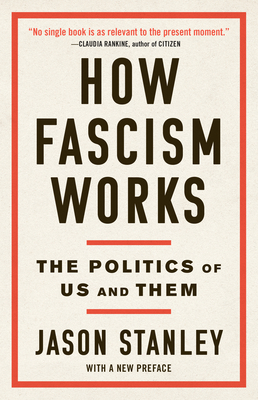
How Fascism Works
KSh 2,900.00
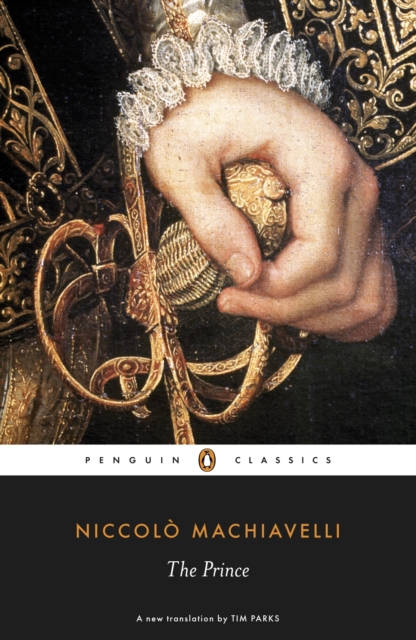
The Prince
KSh 1,800.00

Who''s Afraid of Gender?
KSh 2,350.00
More by Erik Ringmar

Identity, Interest and Action
KSh 7,550.00

Identity, Interest and Action
KSh 17,100.00

Why Europe Was First
KSh 3,650.00

A Blogger''s Manifesto
KSh 1,600.00

Surviving Capitalism
KSh 4,400.00

Boredom, Colonialism and War
KSh 18,900.00

The Mechanics of Modernity in Europe and East Asia
KSh 9,200.00

International Politics of Recognition
KSh 11,150.00

Surviving Capitalism
KSh 14,450.00

The International Politics of Recognition
KSh 37,800.00

The Mechanics of Modernity in Europe and East Asia
KSh 30,950.00
