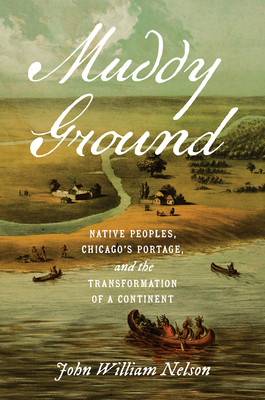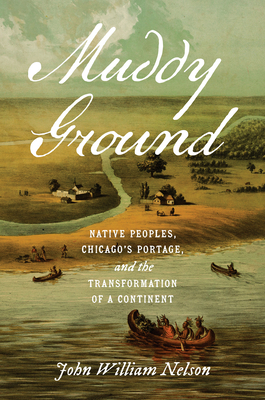
Muddy Ground : Native Peoples, Chicago's Portage, and the Transformation of a Continent
Book Details
Format
Hardback
ISBN-10
1469675196
ISBN-13
9781469675190
Publisher
The University of North Carolina Press
Imprint
The University of North Carolina Press
Country of Manufacture
GB
Country of Publication
GB
Publication Date
Sep 12th, 2023
Print length
288 Pages
Weight
272 grams
KSh 15,100.00
Currently unavailable
0 in stock
Delivery Location
Delivery fee: Select location
Secure
Quality
Fast
Charts the many peoples that traversed and sought power along Chicago’s portage paths from the seventeenth to the mid-nineteenth centuries, including Indigenous Illinois traders, French explorers, Jesuit missionaries, Meskwaki warriors, British officers, Anishinaabe headmen, and American settlers.
In early North America, carrying watercraft—usually canoes—and supplies across paths connecting one body of water to another was essential in the establishment of both Indigenous and European mobility in the continent's interior. The Chicago portage, a network of overland canoe routes that connected the Great Lakes and Mississippi watersheds, grew into a crossroads of interaction as Indigenous and European people vied for its control during early contact and colonization. John William Nelson charts the many peoples that traversed and sought power along Chicago's portage paths from the seventeenth to the mid-nineteenth centuries, including Indigenous Illinois traders, French explorers, Jesuit missionaries, Meskwaki warriors, British officers, Anishinaabe headmen, and American settlers. Nelson compellingly demonstrates that even deep within the interior, power relations fluctuated based on the control of waterways and local environmental knowledge.
Pushing beyond political and cultural explanations for Indigenous-European relations in the borderlands of North America, Nelson places environmental and geographic realities at the center of the history of Indigenous Chicago, offering a new explanation for how the United States gained control of the North American interior through a two-pronged subjugation of both the landscapes and peoples of the continent.
Pushing beyond political and cultural explanations for Indigenous-European relations in the borderlands of North America, Nelson places environmental and geographic realities at the center of the history of Indigenous Chicago, offering a new explanation for how the United States gained control of the North American interior through a two-pronged subjugation of both the landscapes and peoples of the continent.
Get Muddy Ground by John William Nelson at the best price and quality guaranteed only at Werezi Africa's largest book ecommerce store. The book was published by The University of North Carolina Press and it has 288 pages.
Customers Who Bought This Also Bought
Crusade for Justice – The Autobiography of Ida B. Wells, Second Edition
KSh 4,050.00

Killers of the Flower Moon
KSh 2,000.00
Warmth of Other Suns
KSh 3,050.00
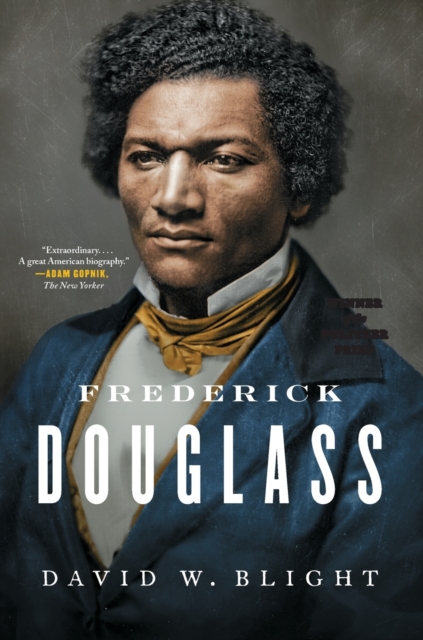
Frederick Douglass
KSh 3,350.00

107 Days
KSh 4,500.00

Second Treatise of Government – Norton Library
KSh 1,600.00

Tuesdays With Morrie
KSh 2,000.00
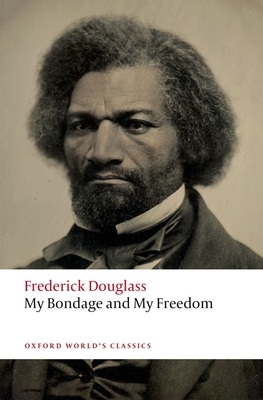
My Bondage and My Freedom
KSh 1,600.00

Hidden Figures
KSh 2,000.00
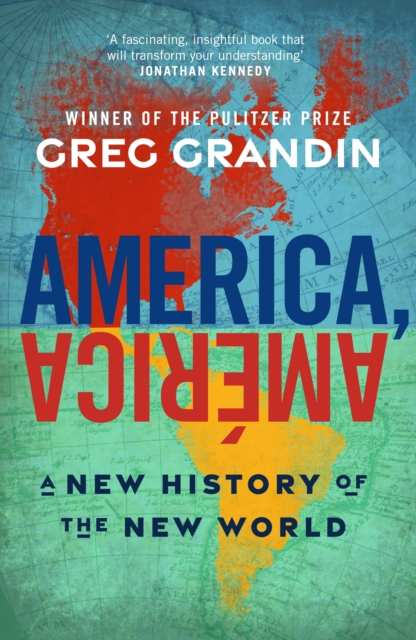
America, América
KSh 3,650.00
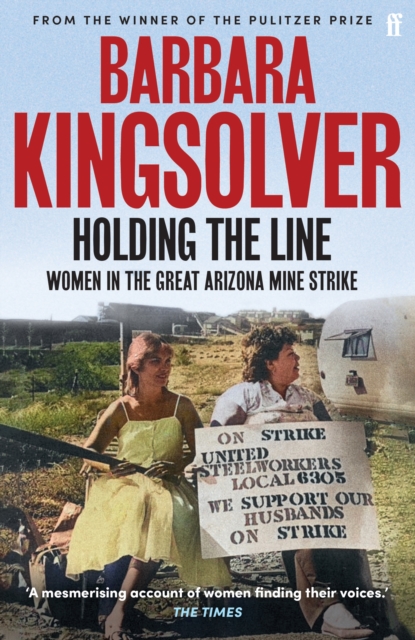
Holding the Line
KSh 2,000.00

Nuclear Folly
KSh 3,050.00