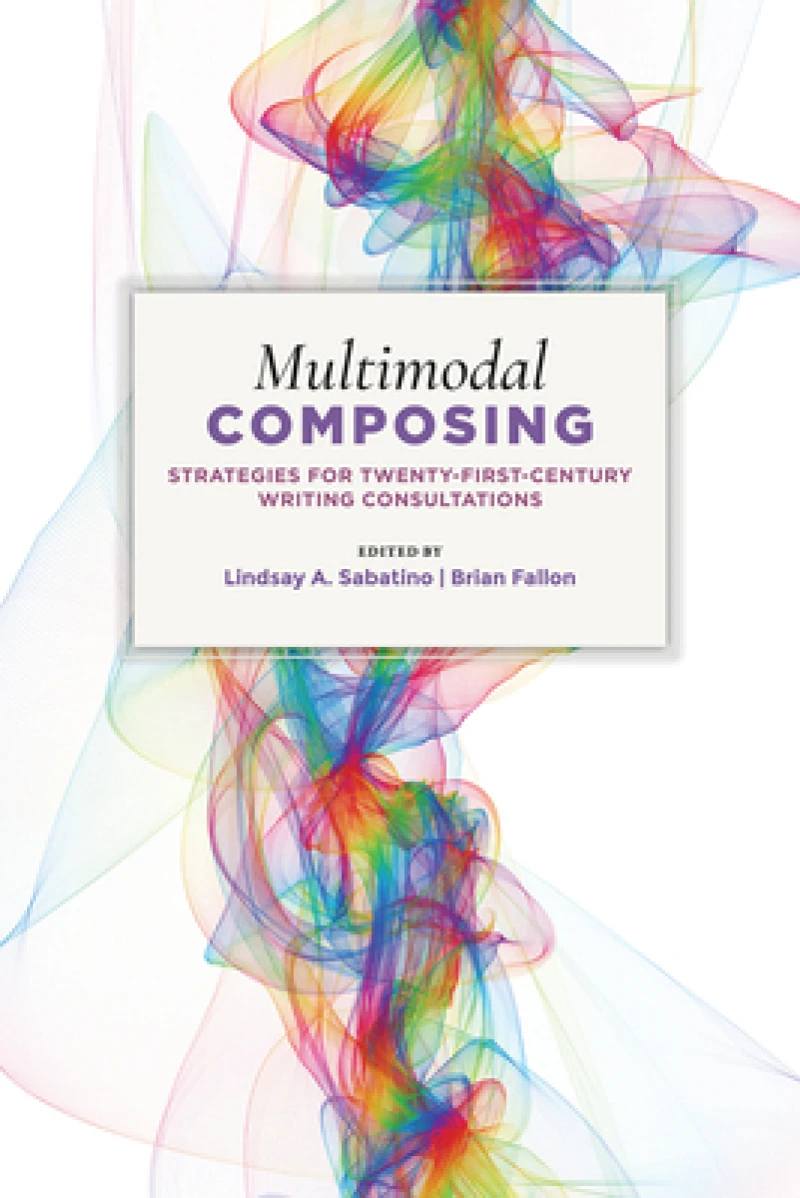
Multimodal Composing : Strategies for Twenty-First-Century Writing Consultations
Book Details
Format
Paperback / Softback
ISBN-10
1607328453
ISBN-13
9781607328452
Publisher
Utah State University Press
Imprint
Utah State University Press
Country of Manufacture
US
Country of Publication
GB
Publication Date
Apr 15th, 2019
Print length
238 Pages
Weight
438 grams
Dimensions
22.80 x 15.10 x 1.90 cms
Ksh 4,800.00
Werezi Extended Catalogue
0 in stock
Delivery Location
Delivery fee: Select location
Secure
Quality
Fast
Multimodal Composing provides strategies for writing center directors and consultants working with writers whose texts are visual, technological, creative, and performative-texts they may be unaccustomed to reading, producing, or tutoring. This book is a focused conversation on how rhetorical, design, and multimodal principles inform consultation strategies, especially when working with genres that are less familiar or traditional.
Multimodal Composing explores the relationship between rhetorical choices, design thinking, accessibility, and technological awareness in the writing center. Each chapter deepens consultants'' understanding of multimodal composing by introducing them to important features and practices in a variety of multimodal texts. The chapters'' activities provide consultants with an experience that familiarizes them with design thinking and multimodal projects, and a companion website (www.multimodalwritingcenter.org) offers access to additional resources that are difficult to reproduce in print (and includes updated links to resources and tools).
Multimodal projects are becoming the norm across disciplines, and writers expect consultants to have a working knowledge of how to answer their questions. Multimodal Composing introduces consultants to key elements in design, technology, audio, and visual media and explains how these elements relate to the rhetorical and expressive nature of written, visual, and spoken communication. Peer, graduate student, professional tutors and writing center directors will benefit from the activities and strategies presented in this guide.
Contributors:
Patrick Anderson, Shawn Apostel, Jarrod Barben, Brandy Ball Blake, Sarah Blazer, Brenta Blevins, Russell Carpenter, Florence Davies, Kate Flom Derrick, Lauri Dietz, Clint Gardner, Karen J. Head, Alyse Knorr, Jarret Krone, Sohui Lee, Joe McCormick, Courtnie Morin, Alice Johnston Myatt, Molly Schoen, James C. W. Truman
Multimodal Composing explores the relationship between rhetorical choices, design thinking, accessibility, and technological awareness in the writing center. Each chapter deepens consultants'' understanding of multimodal composing by introducing them to important features and practices in a variety of multimodal texts. The chapters'' activities provide consultants with an experience that familiarizes them with design thinking and multimodal projects, and a companion website (www.multimodalwritingcenter.org) offers access to additional resources that are difficult to reproduce in print (and includes updated links to resources and tools).
Multimodal projects are becoming the norm across disciplines, and writers expect consultants to have a working knowledge of how to answer their questions. Multimodal Composing introduces consultants to key elements in design, technology, audio, and visual media and explains how these elements relate to the rhetorical and expressive nature of written, visual, and spoken communication. Peer, graduate student, professional tutors and writing center directors will benefit from the activities and strategies presented in this guide.
Contributors:
Patrick Anderson, Shawn Apostel, Jarrod Barben, Brandy Ball Blake, Sarah Blazer, Brenta Blevins, Russell Carpenter, Florence Davies, Kate Flom Derrick, Lauri Dietz, Clint Gardner, Karen J. Head, Alyse Knorr, Jarret Krone, Sohui Lee, Joe McCormick, Courtnie Morin, Alice Johnston Myatt, Molly Schoen, James C. W. Truman
Get Multimodal Composing by at the best price and quality guaranteed only at Werezi Africa's largest book ecommerce store. The book was published by Utah State University Press and it has pages.