
Myth and Archive : A Theory of Latin American Narrative
Book Details
Format
Paperback / softback
ISBN-10
0521023998
ISBN-13
9780521023993
Publisher
Cambridge University Press
Imprint
Cambridge University Press
Country of Manufacture
GB
Country of Publication
GB
Publication Date
Feb 13th, 2006
Print length
260 Pages
Weight
412 grams
Dimensions
17.40 x 22.70 x 1.90 cms
KSh 6,250.00
Currently unavailable
0 in stock
Delivery Location
Delivery fee: Select location
Secure
Quality
Fast
This book offers a theory about the origin and evolution of the Latin American narrative, and about the emergence of the modern novel. The book contains readings of major works in the tradition such as Garcilaso el Inca's Comentarios reales, Sarmiento's Facundo, Carpentier's Los pasos perdidos and Garcia Marquez's Cien anos de Soledad.
This book offers a theory about the origin and evolution of the Latin American narrative, and about the emergence of the modern novel. It argues that the novel developed from the discourse of the law in the Spanish Empire during the sixteenth century, while many of the early historical documents concerning the New World assumed the same forms, furnished by the notarial arts. Thus, both the novel and these first Latin American narratives imitated the language of authority. The book explores how the same process is repeated in two key moments in the history of the Latin American narrative. In the nineteenth century, the model was the discourse of scientific travellers such as von Humboldt and Darwin, while in the twentieth century, the discourse of anthropology - the study of language and myth - has come to shape the narrative. Professor Gonzalez Echevarria's theoretical approach is drawn from a reading of Carpentier's Los pasos perdidos, and the book centres on major figures in the tradition such as Columbus, Garcilaso el Inca, Sarmiento, Gallegos, Borges and Garcia Marquez.
Get Myth and Archive by Roberto Gonzalez Echevarria at the best price and quality guaranteed only at Werezi Africa's largest book ecommerce store. The book was published by Cambridge University Press and it has 260 pages.
Customers Who Bought This Also Bought
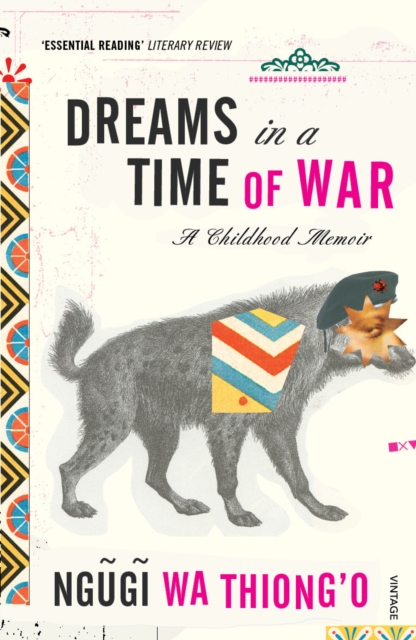
Dreams in a Time of War
KSh 3,050.00
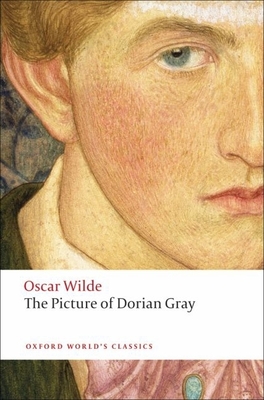
The Picture of Dorian Gray
KSh 1,250.00
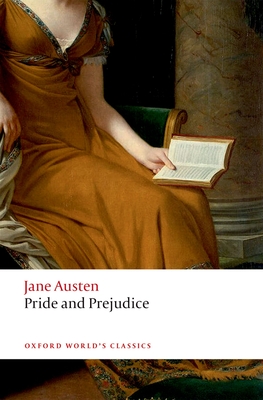
Pride and Prejudice
KSh 1,150.00

Fire Next Time
KSh 1,800.00

Letters of J R R Tolkien
KSh 2,350.00
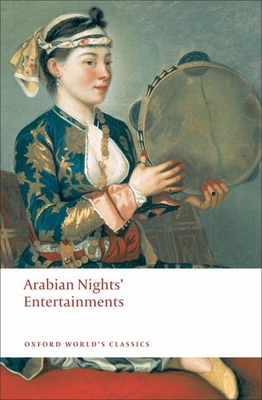
Arabian Nights'' Entertainments
KSh 2,950.00
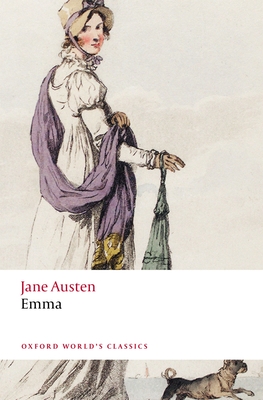
Emma
KSh 1,350.00
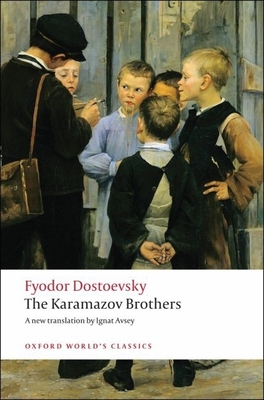
The Karamazov Brothers
KSh 2,100.00

On Writing
KSh 2,000.00
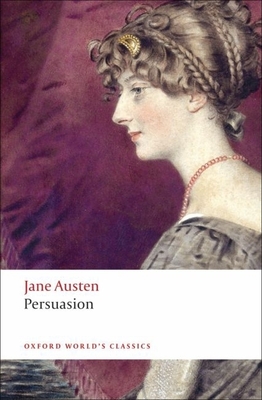
Persuasion
KSh 1,100.00
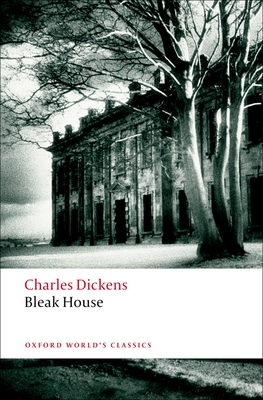
Bleak House
KSh 2,150.00

To the Lighthouse
KSh 1,450.00