
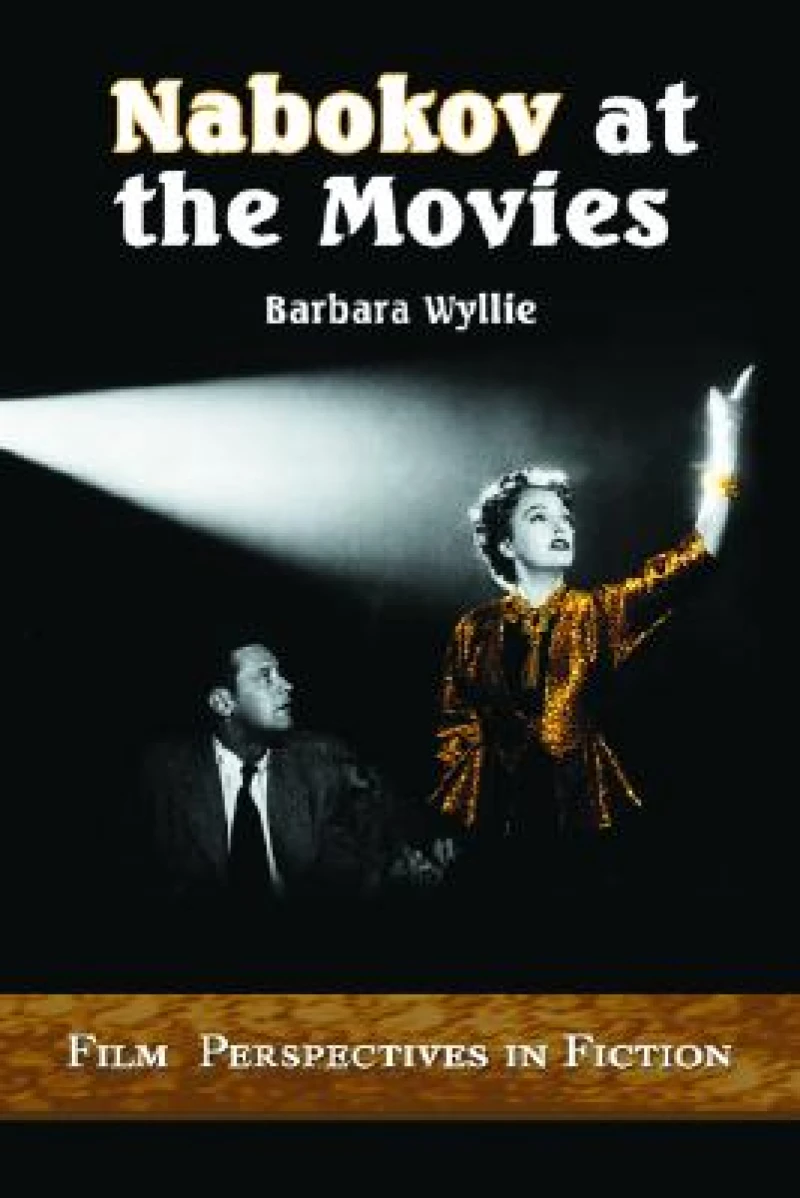
Nabokov at the Movies : Film Perspectives in Fiction
Book Details
Format
Paperback / Softback
ISBN-10
0786416386
ISBN-13
9780786416387
Publisher
McFarland & Co Inc
Imprint
McFarland & Co Inc
Country of Manufacture
US
Country of Publication
GB
Publication Date
Oct 14th, 2003
Print length
308 Pages
Weight
426 grams
Dimensions
22.90 x 15.20 x 1.60 cms
Product Classification:
Films, cinemaLiterary studies: from c 1900 -Literary studies: fiction, novelists & prose writers
Ksh 7,250.00
Werezi Extended Catalogue
0 in stock
Delivery Location
Delivery fee: Select location
Secure
Quality
Fast
In situating Nabokov within America's literary and cinematic traditions, this book throws new light on Nabokov's treatment of film in his work, focusing on major texts set against key developments in American film and fiction from the 1920s onwards.
Vladimir Nabokov claimed, speaking of Laughter in the Dark: I wanted to write the entire book as if it were a film. The relevance of film to the novelists art remains a preoccupying question in recent American fiction: writers must decide whether to acknowledge the medium that is a defining element of Americas collective unconscious and, if so, how to deploy it successfully toward a written work of fiction. In situating Nabokov within Americas literary and cinematic traditions, this book throws new light on Nabokovs treatment of film in his work, focusing on major texts set against key developments in American film and fiction from the 1920s on. Parallels are drawn with the cinematic fiction of American writers such as John Dos Passos and F. Scott Fitzgerald, whose treatment of film in literature can be compared to Nabokovs Russian works. Major influences on Nabokovs early Russian fiction include experimental German and Soviet film, while his later English work demonstrates an affinity with contemporary American fiction and film, from 1940s noir to the New Hollywood of the early 70s. In order to create Lolitas heroine, Nabokov had to acquaint himself with her world, a postwar America dominated by Hollywood; she appears as a femme fatale, fugitive moll, and screwball heroine. Van Veen, on the other hand, manipulates the cinematic mode as a narrative and representational tool, which in turn becomes integral to processes of memory and the imagination. A variety of works by Nabokov and others are explored, with particular emphasis on Laughter in the Dark, The Assistant Producer, Lolita, Ada, Transparent Things, as well as The Great Gatsby, The Big Sleep, The Moviegoer and American Psycho. Film stills, a detailed filmography and bibliography complete the book.
Get Nabokov at the Movies by at the best price and quality guaranteed only at Werezi Africa's largest book ecommerce store. The book was published by McFarland & Co Inc and it has pages.

