
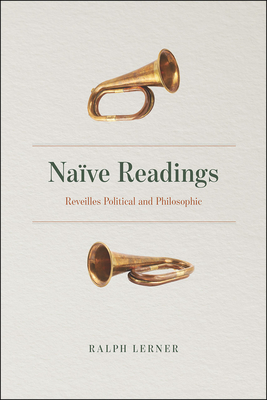
Naive Readings : Reveilles Political and Philosophic
by
Ralph Lerner
Book Details
Format
Hardback
ISBN-10
022635329X
ISBN-13
9780226353296
Publisher
The University of Chicago Press
Imprint
University of Chicago Press
Country of Manufacture
US
Country of Publication
GB
Publication Date
Apr 14th, 2016
Print length
240 Pages
Weight
482 grams
Dimensions
2.40 x 1.60 x 0.20 cms
Product Classification:
Literary studies: general
KSh 7,200.00
Currently unavailable
0 in stock
Delivery Location
Delivery fee: Select location
Secure
Quality
Fast
One sure fact of humanity is that we all cherish our opinions and will often strongly resist efforts by others to change them. Philosophers and politicians have long understood this, and whenever they have sought to get us to think differently they have often resorted to forms of camouflage that slip their unsettling thoughts into our psyche without raising alarm. In this fascinating examination of a range of writers and thinkers, Ralph Lerner offers a new method of reading that detects this camouflage and offers a way toward deeper understandings of some of history’s most important—and most concealed—messages. Lerner analyzes an astonishing diversity of writers, including Francis Bacon, Benjamin Franklin, Edward Gibbon, Judah Halevi, Thomas Jefferson, Abraham Lincoln, Moses Maimonides, and Alexis de Tocqueville. He shows that by reading their words slowly and naïvely, with wide-open eyes and special attention for moments of writing that become self-conscious, impassioned, or idiosyncratic, we can begin to see a pattern that illuminates a thinker’s intent, new messages purposively executed through indirect means. Through these experimental readings, Lerner shows, we can see a deep commonality across writers from disparate times and situations, one that finds them artfully challenging others to reject passivity and fatalism and start thinking afresh.
Get Naive Readings by Ralph Lerner at the best price and quality guaranteed only at Werezi Africa's largest book ecommerce store. The book was published by The University of Chicago Press and it has 240 pages.
Customers Who Bought This Also Bought
How to Read a Book
KSh 2,000.00
Decolonising the Mind
KSh 4,700.00

How to Read & Why
KSh 2,350.00

Arabian Nights'' Entertainments
KSh 2,950.00

In the Wake
KSh 3,600.00
The Birth of Tragedy
KSh 1,800.00

Against Nature
KSh 1,800.00
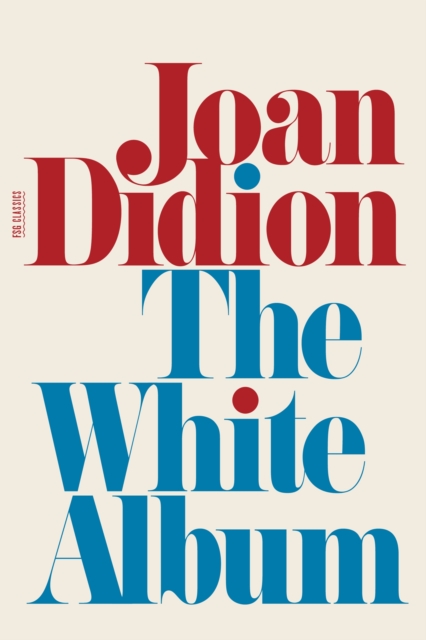
The White Album
KSh 3,250.00
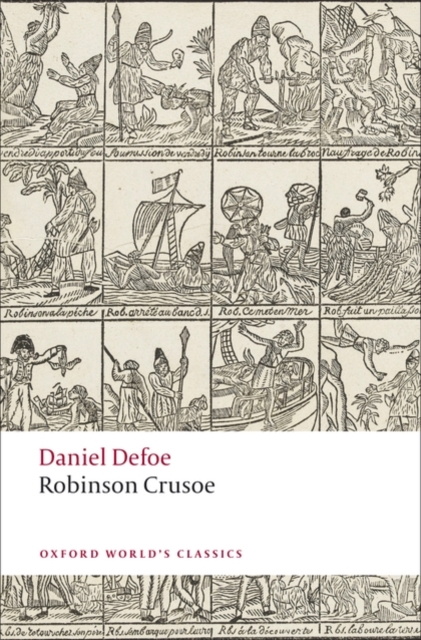
Robinson Crusoe
KSh 1,450.00
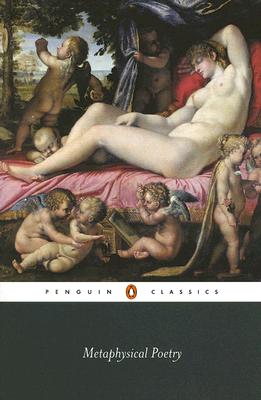
Metaphysical Poetry
KSh 2,350.00
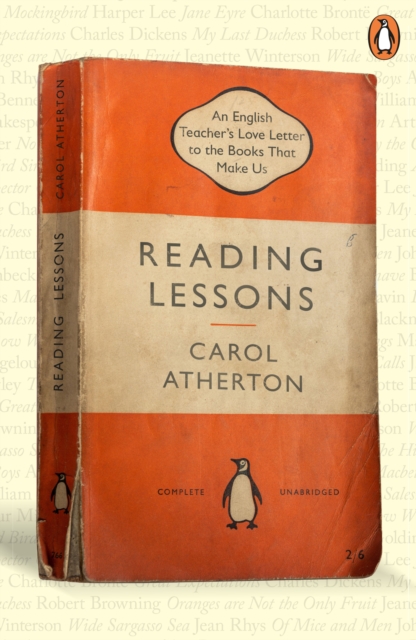
Reading Lessons
KSh 2,350.00

Literature Book
KSh 4,250.00
