
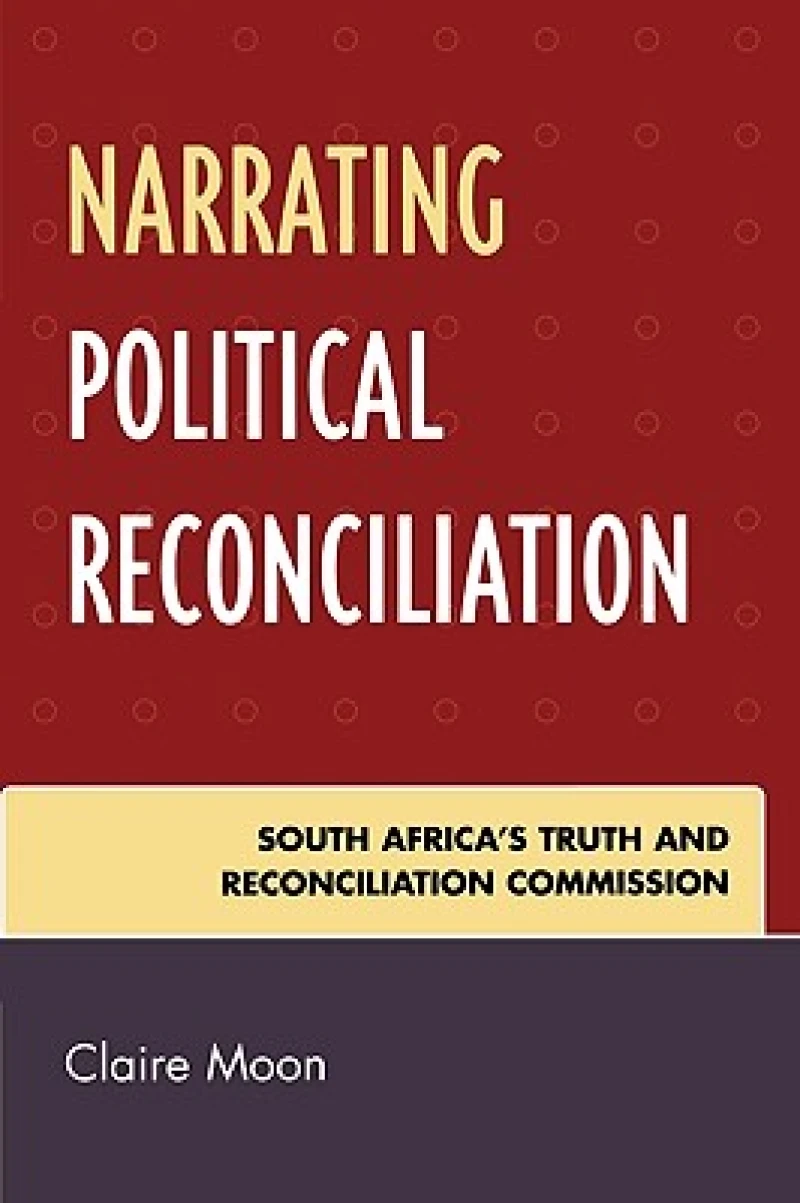
Narrating Political Reconciliation : South Africa's Truth and Reconciliation Commission
by
Claire Moon
Book Details
Format
Paperback / Softback
ISBN-10
0739140450
ISBN-13
9780739140451
Publisher
Bloomsbury Publishing Plc
Imprint
Lexington Books
Country of Manufacture
GB
Country of Publication
GB
Publication Date
Jul 16th, 2009
Print length
188 Pages
Weight
280 grams
Dimensions
23.10 x 15.40 x 1.40 cms
Product Classification:
African history20th century history: c 1900 to c 2000Human rights
Ksh 9,750.00
Manufactured on Demand
0 in stock
Delivery Location
Delivery fee: Select location
Secure
Quality
Fast
Narrating Political Reconciliation offers a compelling approach to South Africa's Truth and Reconciliation Commission (TRC). It provides a critical theoretical account of how the TRC's reconciliation story came into being, and how it shaped and promoted the norms, practices and truisms central to the global 'reconciliation industry'. In particular, the book examines the material practices and rituals that underpinned the TRC. Claire Moon shows how the TRC narrated apartheid history as a sequence of gross violations of human rights perpetrated with a political objective, with the effect of transforming competing politico-moral claims into an 'objective' legal-technical discourse. She also shows how the TRC constructed victims and perpetrators as the key subjects of the new political order through ritual practices of confession, testimony, forgiveness and healing. Moon argues that, the TRC had multiple and divergent effects. Whilst it attempted to secure reconciliation, the TRC also generated new social conflicts around questions of justice, reparations and apartheid violence: it appeared to redeem those who profited from apartheid but did not directly perpetrate atrocities; it left unacknowledged the everyday suffering of thousands; it left undisturbed structures of material inequality within which political violence was made possible. Overall, Moon provides a unique approach to reconciliation and transitional justice in post-conflict and democratizing states, and this book serves as a challenging critical analysis of the field for students and scholars alike.
Narrating Political Reconciliation offers a compelling approach to South Africa''s Truth and Reconciliation Commission (TRC). It provides a critical theoretical account of how the TRC''s reconciliation story came into being, and how it shaped and promoted the norms, practices and truisms central to the global ''reconciliation industry''. In particular, the book examines the material practices and rituals that underpinned the TRC. Claire Moon shows how the TRC narrated apartheid history as a sequence of gross violations of human rights perpetrated with a political objective, with the effect of transforming competing politico-moral claims into an ''objective'' legal-technical discourse. She also shows how the TRC constructed victims and perpetrators as the key subjects of the new political order through ritual practices of confession, testimony, forgiveness and healing. Moon argues that, the TRC had multiple and divergent effects. Whilst it attempted to secure reconciliation, the TRC also generated new social conflicts around questions of justice, reparations and apartheid violence: it appeared to redeem those who profited from apartheid but did not directly perpetrate atrocities; it left unacknowledged the everyday suffering of thousands; it left undisturbed structures of material inequality within which political violence was made possible. Overall, Moon provides a unique approach to reconciliation and transitional justice in post-conflict and democratizing states, and this book serves as a challenging critical analysis of the field for students and scholars alike.
Get Narrating Political Reconciliation by at the best price and quality guaranteed only at Werezi Africa's largest book ecommerce store. The book was published by Bloomsbury Publishing Plc and it has pages.

