
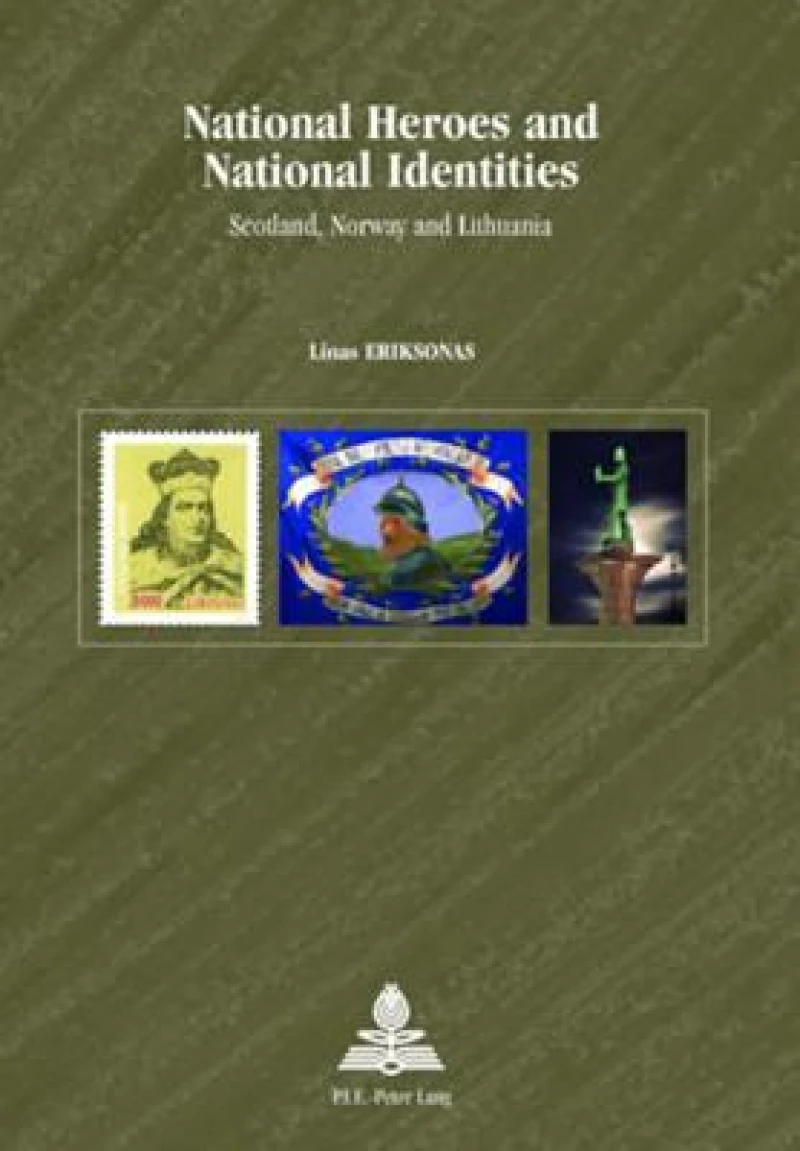
National Heroes and National Identities : Scotland, Norway and Lithuania
Book Details
Format
Paperback / Softback
Book Series
Europe Plurielle/Multiple Europes
ISBN-10
9052012008
ISBN-13
9789052012001
Publisher
European Interuniversity Press
Imprint
European Interuniversity Press
Country of Manufacture
BE
Country of Publication
GB
Publication Date
May 25th, 2004
Print length
320 Pages
Weight
452 grams
Dimensions
15.20 x 22.00 x 1.80 cms
Product Classification:
IrelandUnited Kingdom, Great BritainNorthern Europe, ScandinaviaEastern Europe19th century, c 1800 to c 189921st century, c 2000 to c 2100General & world historyEuropean historyEarly modern history: c 1450/1500 to c 1700Modern history to 20th century: c 1700 to c 1900Social and ethical issuesSocial issues & processesPolitical science & theoryPolitical science and theoryHistoryGeneral and world historyEuropean history
Ksh 8,500.00
Manufactured on Demand
0 in stock
Delivery Location
Delivery fee: Select location
Secure
Quality
Fast
This book investigates the concept of the heroic, questions what it is that makes the national hero an indispensable appendage to any possible interpretation of national identity, and asks why scholars stop short before coming to terms with this elusive phenomenon. It finds answers by following heroic traditions in Scotland, Norway and Lithuania from the early modern period to the twentieth century.
The book argues that heroic traditions – prevailing trends in situating heroes in national history – owe much to the early modern state. Both national heroes and the nation state had been conceived with a similar moral political mindset that looked for new ways to identify sources for commonality. The confluence of political theory and Realpolitik attested to three classical types of polities, i.e. civitas popularis (democracy), regnum (kingship), and optimatium (aristocracy), as found at that time in Scotland, Norway and Lithuania respectively.
The author shows the varied impact these patterns had on heroic traditions. The long record of national heroes in Scotland is explained as a vestige of the legacy of civic humanism, the continuing traditions of the heroic king-lines in Norway are seen as a result of long-standing absolutism, while the belated arrival of national heroes in Lithuania is excused by the country’s aristocratic if at times oligarchic past.
The book argues that heroic traditions – prevailing trends in situating heroes in national history – owe much to the early modern state. Both national heroes and the nation state had been conceived with a similar moral political mindset that looked for new ways to identify sources for commonality. The confluence of political theory and Realpolitik attested to three classical types of polities, i.e. civitas popularis (democracy), regnum (kingship), and optimatium (aristocracy), as found at that time in Scotland, Norway and Lithuania respectively.
The author shows the varied impact these patterns had on heroic traditions. The long record of national heroes in Scotland is explained as a vestige of the legacy of civic humanism, the continuing traditions of the heroic king-lines in Norway are seen as a result of long-standing absolutism, while the belated arrival of national heroes in Lithuania is excused by the country’s aristocratic if at times oligarchic past.
Get National Heroes and National Identities by at the best price and quality guaranteed only at Werezi Africa's largest book ecommerce store. The book was published by European Interuniversity Press and it has pages.

