
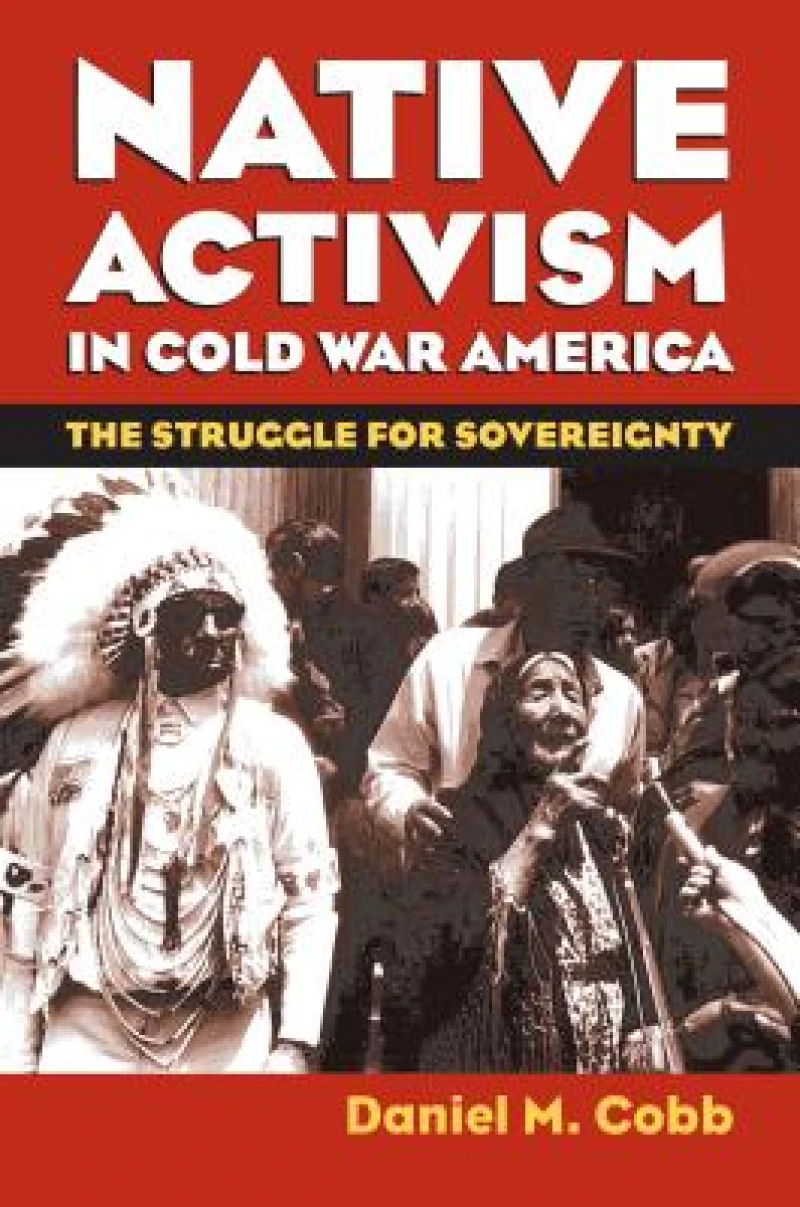
Native Activism in Cold War America : The Struggle for Sovereignty
Book Details
Format
Paperback / Softback
ISBN-10
0700617507
ISBN-13
9780700617500
Publisher
University Press of Kansas
Imprint
University Press of Kansas
Country of Manufacture
US
Country of Publication
GB
Publication Date
Oct 30th, 2008
Print length
306 Pages
Weight
438 grams
Dimensions
23.30 x 15.50 x 1.90 cms
Product Classification:
Indigenous peoplesCivil rights & citizenshipPolitical activism
Ksh 5,150.00
Werezi Extended Catalogue
0 in stock
Delivery Location
Delivery fee: Select location
Secure
Quality
Fast
The heyday of American Indian activism is generally seen as bracketed by the occupation of Alcatraz in 1969 and the Longest Walk in 1978; yet Native Americans had long struggled against federal policies that threatened to undermine tribal sovereignty and self-determination. This is the first book-length study of American Indian political activism during its seminal years, focusing on the movement's largely neglected early efforts before Alcatraz or Wounded Knee captured national attention.Ranging from the end of World War II to the late 1960s, Daniel Cobb uncovers the groundwork laid by earlier activists. He draws on dozens of interviews with key players to relate untold stories of both seemingly well-known events such as the American Indian Chicago Conference and little-known ones such as Native participation in the Poor People's Campaign of 1968. Along the way, he introduces readers to a host of previously neglected but critically important activists: Mel Thom, Tillie Walker, Forrest Gerard, Dr. Jim Wilson, Martha Grass, and many others.Cobb takes readers inside the early movement - from D'Arcy McNickle's founding of American Indian Development, Inc. and Vine Deloria Jr.'s tenure as executive director of the National Congress of American Indians to Clyde Warrior's leadership in the National Indian Youth Council - and describes how early activists forged connections between their struggle and anticolonialist movements in the developing world. He also describes how the War on Poverty's Community Action Programs transformed Indian Country by training bureaucrats and tribal leaders alike in new political skills and providing activists with the leverage they needed to advance the movement toward self-determination.This book shows how Native people who never embraced militancy - and others who did - made vital contributions as activists well before the American Indian Movement burst onto the scene. By highlighting the role of early intellectuals and activists like Sol Tax, Nancy Lurie, Robert K. Thomas, Helen Peterson, and Robert V. Dumont, Cobb situates AIM's efforts within a much broader context and reveals how Native people translated the politics of Cold War civil rights into the language of tribal sovereignty.
Get Native Activism in Cold War America by at the best price and quality guaranteed only at Werezi Africa's largest book ecommerce store. The book was published by University Press of Kansas and it has pages.

