
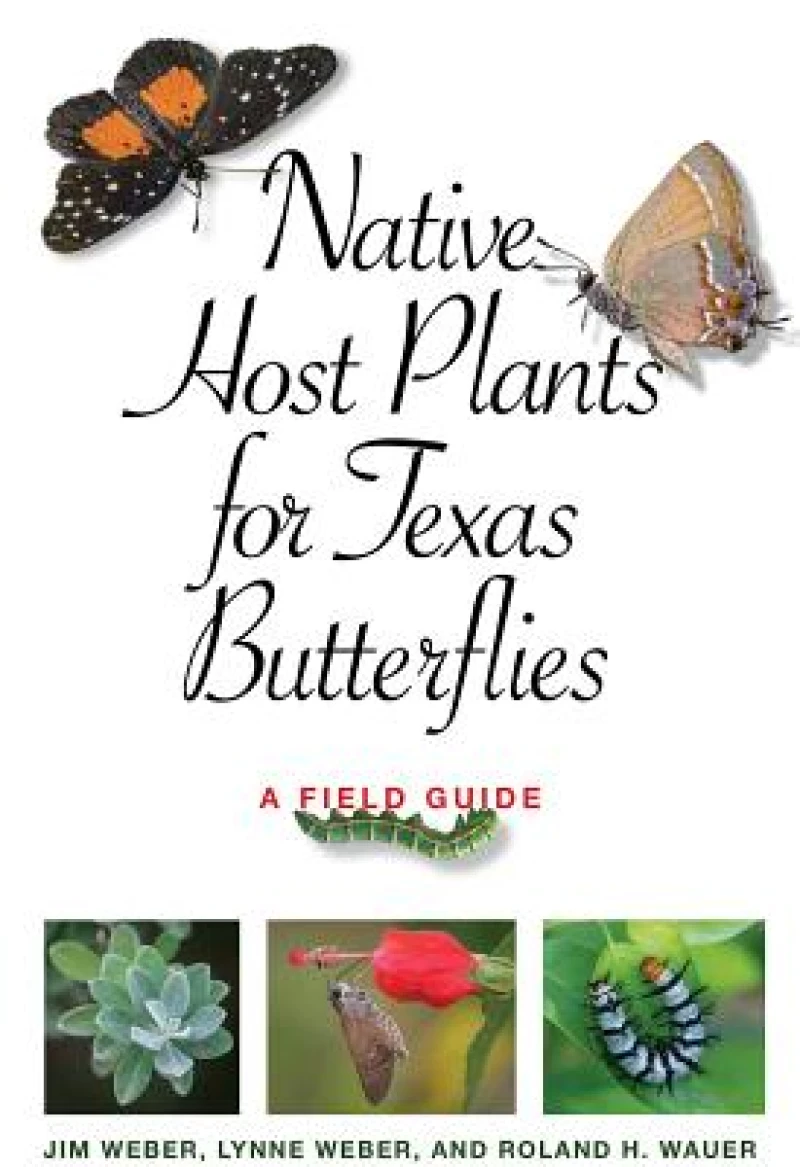
Native Host Plants for Texas Butterflies : A Field Guide
Book Details
Format
Paperback / Softback
ISBN-10
1623496462
ISBN-13
9781623496463
Publisher
Texas A & M University Press
Imprint
Texas A & M University Press
Country of Manufacture
US
Country of Publication
GB
Publication Date
Aug 1st, 2018
Print length
260 Pages
Weight
570 grams
Dimensions
16.40 x 24.00 x 1.90 cms
Ksh 4,350.00
Werezi Extended Catalogue
0 in stock
Delivery Location
Delivery fee: Select location
Secure
Quality
Fast
This user-friendly, heavily illustrated field guide describes 101 native larval host plants in Texas. Each species account includes descriptive information on each plant, a distribution map, and photos of both the caterpillars and adult butterflies who frequent those plants.
While many growers focus on attracting adult butterflies to their gardens, fewer know about the plants that caterpillars need to survive. Native host plants—wildflowers, trees, shrubs, vines, grasses, and sedges—not only provide a site for the butterfly to lay its eggs, they also provide a ready food source for the emerging caterpillar. Think of these plants as the nurseries of the garden. This user-friendly, heavily illustrated field guide describes 101 native larval host plants in Texas. Each species account includes descriptive information on each plant, a distribution map, and photos of both the caterpillars and adult butterflies who frequent those plants.
An adult butterfly may nectar on a wide variety of flowers, but caterpillars are much more restricted in their food sources. Some feed on only a limited number of plant species, so female butterflies seek out these specific plants to lay their eggs. For example, the host plants for Monarch caterpillars are various species of milkweed. Often, these plants are not the same as the ones the adult butterfly will later use for nectar.
Learning more about the plants caterpillars need is crucial for butterfly conservation. Butterflies'' dependency on specific caterpillar host plants is one of the key factors restricting their range and distribution. Armed with this knowledge, readers can also hone their ability to find specific species of breeding butterflies in nature. This is a handy guide whether you are in the field searching for butterflies or on the hunt for butterfly-friendly options at your local plant sale.
An adult butterfly may nectar on a wide variety of flowers, but caterpillars are much more restricted in their food sources. Some feed on only a limited number of plant species, so female butterflies seek out these specific plants to lay their eggs. For example, the host plants for Monarch caterpillars are various species of milkweed. Often, these plants are not the same as the ones the adult butterfly will later use for nectar.
Learning more about the plants caterpillars need is crucial for butterfly conservation. Butterflies'' dependency on specific caterpillar host plants is one of the key factors restricting their range and distribution. Armed with this knowledge, readers can also hone their ability to find specific species of breeding butterflies in nature. This is a handy guide whether you are in the field searching for butterflies or on the hunt for butterfly-friendly options at your local plant sale.
Get Native Host Plants for Texas Butterflies by at the best price and quality guaranteed only at Werezi Africa's largest book ecommerce store. The book was published by Texas A & M University Press and it has pages.

