
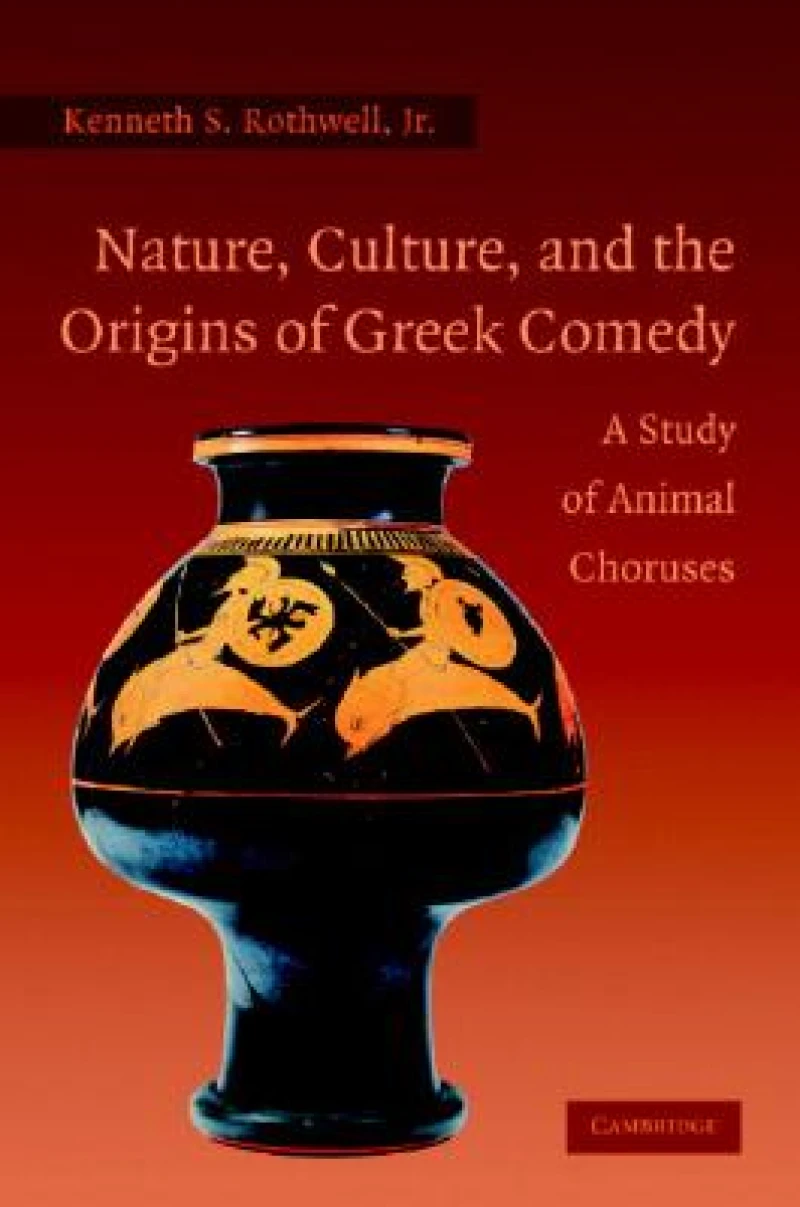
Nature, Culture, and the Origins of Greek Comedy : A Study of Animal Choruses
Book Details
Format
Hardback or Cased Book
ISBN-10
0521860660
ISBN-13
9780521860666
Publisher
Cambridge University Press
Imprint
Cambridge University Press
Country of Manufacture
GB
Country of Publication
GB
Publication Date
Oct 23rd, 2006
Print length
340 Pages
Weight
697 grams
Dimensions
23.50 x 16.00 x 2.40 cms
Product Classification:
Literary studies: ancient, classical and medievalLiterary studies: classical, early & medieval
Ksh 17,800.00
Manufactured on Demand
0 in stock
Delivery Location
Delivery fee: Select location
Secure
Quality
Fast
This book argues that the animal choruses in Greek comedy of the late fifth century may have been conscious revivals of an earlier tradition of archaic aristocratic symposium. Kenneth Rothwell examines the various appearances of animals in comedy, their function and the tradition that created the genre.
Aristophanes' Birds, Wasps and Frogs offer the best-known examples of the animal choruses of Greek comedy of the fifth century BC, but sixth-century vase-paintings of men costumed as cocks, bulls and horses indicated that comedies were only the last phase of a longer tradition. This book suggests that although the earlier masquerades may have had ritual origins, they should be seen also as products of the culture of the archaic aristocratic symposium. The animal choruses of the late fifth century may have been conscious revivals of an earlier tradition. Moreover, the animals of comedy were not the predators found in other literary genres; they were, instead, social animals who showed that nature and culture could co-exist. The Birds, which tells the story of a city foundation, also parodies fifth-century philosophical accounts of the origins of human civilization. Also discussed are the Wasps, Frogs and fragments of lost comedies.
Get Nature, Culture, and the Origins of Greek Comedy by at the best price and quality guaranteed only at Werezi Africa's largest book ecommerce store. The book was published by Cambridge University Press and it has pages.

