

Nature''s Prophet : Alfred Russel Wallace and His Evolution from Natural Selection to Natural Theology
Book Details
Format
Paperback / softback
ISBN-10
0817362452
ISBN-13
9780817362454
Publisher
University Alabama Press
Imprint
University Alabama Press
Country of Manufacture
GB
Country of Publication
GB
Publication Date
Dec 30th, 2025
Print length
280 Pages
Weight
394 grams
Dimensions
22.80 x 15.00 x 1.90 cms
Product Classification:
19th century, c 1800 to c 1899Biography: science, technology & medicineBiography: science, technology and medicineGeneral & world historyModern history to 20th century: c 1700 to c 1900PhilosophyHistory of ideasHistory of ideasHistoryGeneral and world historyPhilosophyNatural historyNature and the natural world: general interest
KSh 4,550.00
Werezi Extended Catalogue
Delivery in 12 days
4 copies in stock
Delivery Location
Delivery fee: Select location
Delivery in 12 days
Secure
Quality
Fast
An astute study of Alfred Russel Wallace’s path to natural theology.
A spiritualist, libertarian socialist, women’s rights advocate, and critic of Victorian social convention, Alfred Russel Wallace was in every sense a rebel who challenged the emergent scientific certainties of Victorian England by arguing for a natural world imbued with purpose and spiritual significance. Nature’s Prophet:Alfred Russel Wallace and His Evolution from Natural Selection to Natural Theology is a critical reassessment of Wallace’s path to natural theology and counters the dismissive narrative that Wallace’s theistic and sociopolitical positions are not to be taken seriously in the history and philosophy of science.
Author Michael A. Flannery provides a cogent and lucid account of a crucial—and often underappreciated—element of Wallace’s evolutionary worldview. As co-discoverer, with Charles Darwin, of the theory of natural selection, Wallace willingly took a backseat to the well-bred, better known scientist. Whereas Darwin held fast to his first published scientific explanations for the development of life on earth, Wallace continued to modify his thinking, refining his argument toward a more controversial metaphysical view which placed him within the highly charged intersection of biology and religion.
Despite considerable research into the naturalist’s life and work, Wallace’s own evolution from natural selection to natural theology has been largely unexplored; yet, as Flannery persuasively shows, it is readily demonstrated in his writings from 1843 until his death in 1913. Nature’s Prophet provides a detailed investigation of Wallace’s ideas, showing how, although he independently discovered the mechanism of natural selection, he at the same time came to hold a very different view of evolution from Darwin.
Ultimately, Flannery shows, Wallace’s reconsideration of the argument for design yields a more nuanced version of creative and purposeful theistic evolution and represents one of the most innovative contributions of its kind in the Victorian and Edwardian eras, profoundly influencing a later generation of scientists and intellectuals.
A spiritualist, libertarian socialist, women’s rights advocate, and critic of Victorian social convention, Alfred Russel Wallace was in every sense a rebel who challenged the emergent scientific certainties of Victorian England by arguing for a natural world imbued with purpose and spiritual significance. Nature’s Prophet:Alfred Russel Wallace and His Evolution from Natural Selection to Natural Theology is a critical reassessment of Wallace’s path to natural theology and counters the dismissive narrative that Wallace’s theistic and sociopolitical positions are not to be taken seriously in the history and philosophy of science.
Author Michael A. Flannery provides a cogent and lucid account of a crucial—and often underappreciated—element of Wallace’s evolutionary worldview. As co-discoverer, with Charles Darwin, of the theory of natural selection, Wallace willingly took a backseat to the well-bred, better known scientist. Whereas Darwin held fast to his first published scientific explanations for the development of life on earth, Wallace continued to modify his thinking, refining his argument toward a more controversial metaphysical view which placed him within the highly charged intersection of biology and religion.
Despite considerable research into the naturalist’s life and work, Wallace’s own evolution from natural selection to natural theology has been largely unexplored; yet, as Flannery persuasively shows, it is readily demonstrated in his writings from 1843 until his death in 1913. Nature’s Prophet provides a detailed investigation of Wallace’s ideas, showing how, although he independently discovered the mechanism of natural selection, he at the same time came to hold a very different view of evolution from Darwin.
Ultimately, Flannery shows, Wallace’s reconsideration of the argument for design yields a more nuanced version of creative and purposeful theistic evolution and represents one of the most innovative contributions of its kind in the Victorian and Edwardian eras, profoundly influencing a later generation of scientists and intellectuals.
Get Nature''s Prophet by Michael A. Flannery at the best price and quality guaranteed only at Werezi Africa's largest book ecommerce store. The book was published by University Alabama Press and it has 280 pages.
Customers Who Bought This Also Bought

Maybe You Should Talk to Someone
KSh 2,000.00
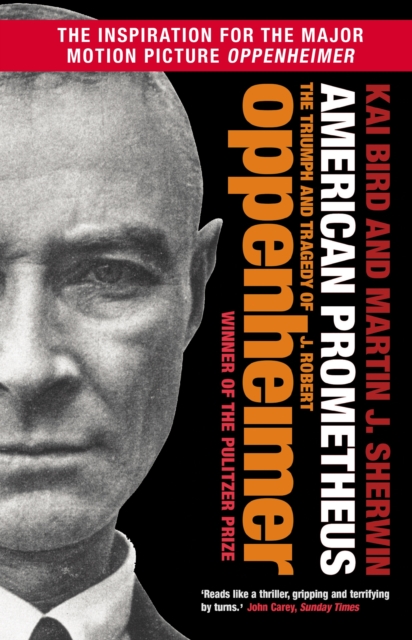
American Prometheus
KSh 2,700.00

Innovators
KSh 2,000.00

The Thinking Machine
KSh 2,350.00
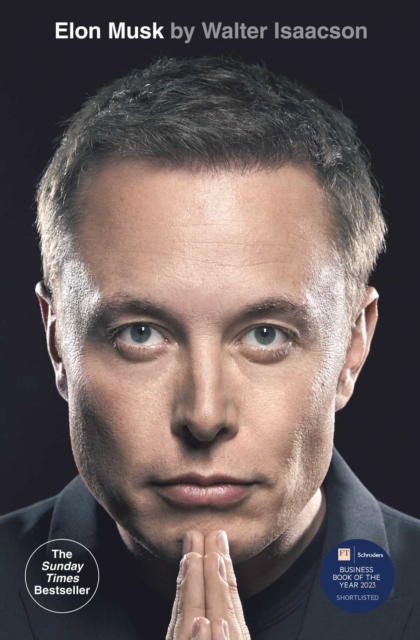
Elon Musk
KSh 2,350.00

Anaximander
KSh 2,000.00
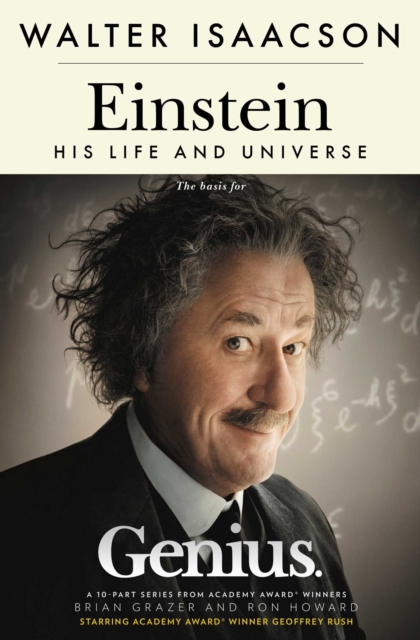
Einstein
KSh 2,000.00

A Mind of My Own
KSh 3,950.00

A Mind of My Own
KSh 2,000.00
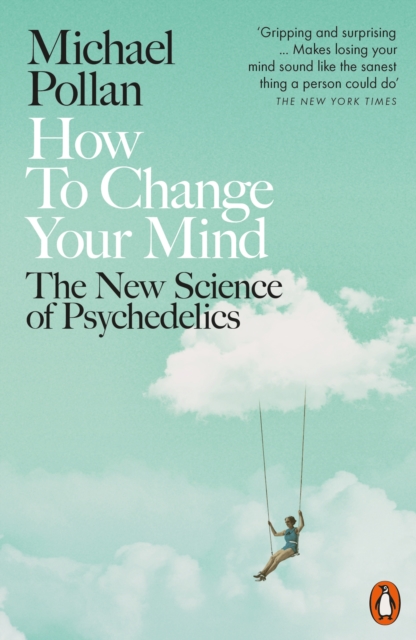
How to Change Your Mind
KSh 2,700.00

Empire of Pain
KSh 2,350.00

Hidden Valley Road
KSh 2,350.00


