
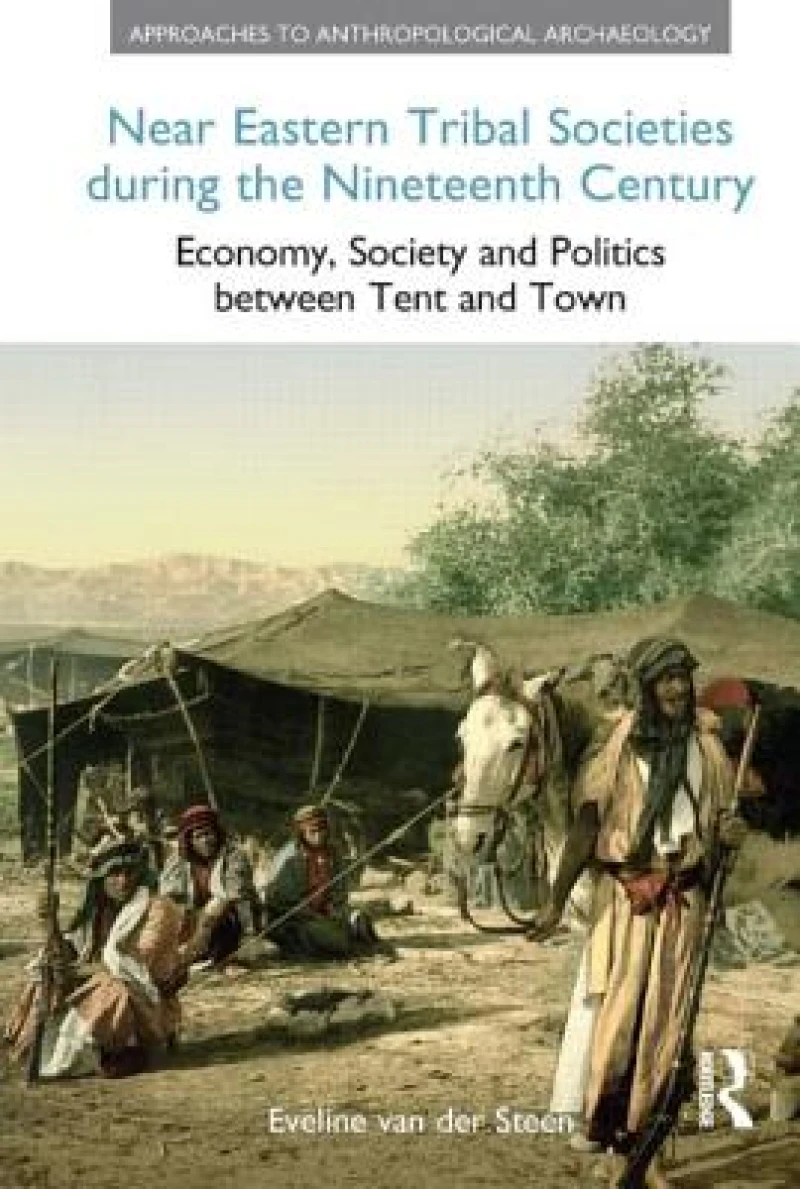
Near Eastern Tribal Societies During the Nineteenth Century : Economy, Society and Politics Between Tent and Town
Book Details
Format
Hardback or Cased Book
ISBN-10
1908049839
ISBN-13
9781908049834
Publisher
Taylor & Francis Ltd
Imprint
Equinox Publishing Ltd
Country of Manufacture
GB
Country of Publication
GB
Publication Date
Nov 1st, 2005
Print length
320 Pages
Weight
600 grams
Product Classification:
Middle Eastern historyModern history to 20th century: c 1700 to c 1900
Ksh 27,900.00
Werezi Extended Catalogue
0 in stock
Delivery Location
Delivery fee: Select location
Secure
Quality
Fast
This volume provides an in-depth study of tribal life in the Near East in the 19th century, exploring how tribes shaped society, economy and politics in the desert, as well as in villages and towns. Until the First World War Near Eastern society was tribally organized.
This volume provides an in-depth study of tribal life in the Near East in the 19th century, exploring how tribes shaped society, economy and politics in the desert, as well as in villages and towns. Until the First World War Near Eastern society was tribally organized. Particularly in the Levant and the Arabian peninsula, where the Ottoman empire was weak, large and powerful tribes such as Anaze, Beni Sakhr and Shammar interacted and competed for control of the land, the people and the economy. The main sources for this study are travel accounts of 19th century adventurers and explorers. Their travels, on horseback, on camel or on foot opened a fascinating window on a world with an ideology that was fundamentally different from their own, often Victorian background. One chapter is dedicated to oral traditions in the region, from heroic epics to short poems, which lets the tribes and tribe members themselves speak, giving a voice to the tribal frame of mind. Evidence of tribal organization as a driving force in society can be found in documents and sometimes in the archaeological record from the Bronze Age onwards. While a straight comparison between ancient and subrecent tribal communities is fraught with difficulties and must be treated with caution, a better understanding of 19th century tribal ethics and customs provides useful insights into the history and the power relations of a more distant past. At the same time it may help us understand some of the underlying causes for the present conflicts afflicting the region.
Get Near Eastern Tribal Societies During the Nineteenth Century by at the best price and quality guaranteed only at Werezi Africa's largest book ecommerce store. The book was published by Taylor & Francis Ltd and it has pages.

