

Negotiating Values : Implementing Change in the Allocation of Transplant Organs
Book Details
Format
Hardback
ISBN-10
1009687751
ISBN-13
9781009687751
Publisher
Cambridge University Press
Imprint
Cambridge University Press
Country of Manufacture
GB
Country of Publication
GB
Publication Date
Dec 18th, 2025
Print length
258 Pages
Weight
493 grams
Product Classification:
Public administrationPublic administration / Public policyPolitical economyTransplant surgery
KSh 18,900.00
Currently unavailable
0 in stock
Delivery Location
Delivery fee: Select location
Secure
Quality
Fast
Stakeholders make rules for the allocation of transplant organs in the United States. This book considers how well stakeholder rulemaking taps relevant expertise and balances competing values in efforts to implement new allocation frameworks. It assesses strategies for successfully implementing planned organizational change involving high stakes.
In the United States stakeholders make rules for the allocation of deceased-donor transplant organs. More than 110,000 Americans are currently awaiting transplants and more than 1,200 die annually before they get transplants; more than 1,700 leave the waiting list annually because they've become too sick to receive transplants. Contributing to better organ transplantation policy is thus socially valuable with life and death consequences. In Negotiating Values, David Weimer deals with this important policy issue. He considers how well stakeholder rulemaking, an example of constructed collaboration, taps relevant expertise and he exploits the unusual opportunity it provides to study the implementation of a substantial planned organizational change. He also explores the implications of “street level” responses for the operation of systemwide allocation rules. Most broadly, Weimer contributes to our understanding of complex multigoal decisionmaking by explicating the interplay between values and evidence in responding to a demand for substantial policy change.
Get Negotiating Values by David L. Weimer at the best price and quality guaranteed only at Werezi Africa's largest book ecommerce store. The book was published by Cambridge University Press and it has 258 pages.
Customers Who Bought This Also Bought

American Beast
KSh 2,700.00

In Defense of Politics in Public Administration
KSh 3,450.00

The New Global Economic Order
KSh 7,200.00

The Brexit Effect, 2016–2026
KSh 3,050.00

The Moynihan Report Revisited:
KSh 12,100.00
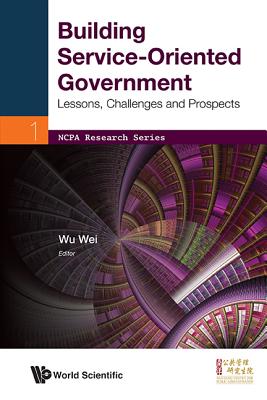
Building Service-Oriented Government
KSh 5,050.00

The Moynihan Report Revisited:
KSh 12,050.00

Saving the Georgia Coast
KSh 4,650.00

Migration Crises and the Structure of International Cooperation
KSh 17,000.00

Keeping the Chattahoochee
KSh 5,500.00

Night Rules
KSh 30,950.00

Partners in Gatekeeping
KSh 26,700.00
More by David L. Weimer

Dog Economics
KSh 13,300.00

Cost-Benefit Analysis
KSh 23,900.00

Negotiating Values
KSh 5,900.00

Behavioral Economics for Cost-Benefit Analysis
KSh 5,250.00

Medical Governance
KSh 8,650.00

Behavioral Economics for Cost-Benefit Analysis
KSh 18,700.00
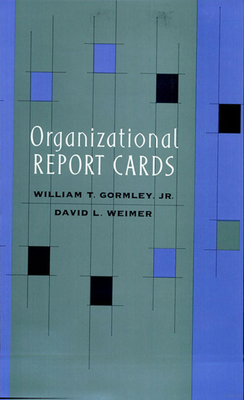
Organizational Report Cards
KSh 12,750.00

Cost-Benefit Analysis
KSh 11,000.00

Dog Economics
KSh 3,650.00
