
Book Details
Format
Paperback / Softback
Book Series
SpringerBriefs in Criminology
ISBN-10
3319067184
ISBN-13
9783319067186
Edition
2014 ed.
Publisher
Springer International Publishing AG
Imprint
Springer International Publishing AG
Country of Manufacture
CH
Country of Publication
GB
Publication Date
Jun 26th, 2014
Print length
112 Pages
Weight
220 grams
Dimensions
24.40 x 15.60 x 1.90 cms
Ksh 8,100.00
Werezi Extended Catalogue
0 in stock
Delivery Location
Delivery fee: Select location
Secure
Quality
Fast
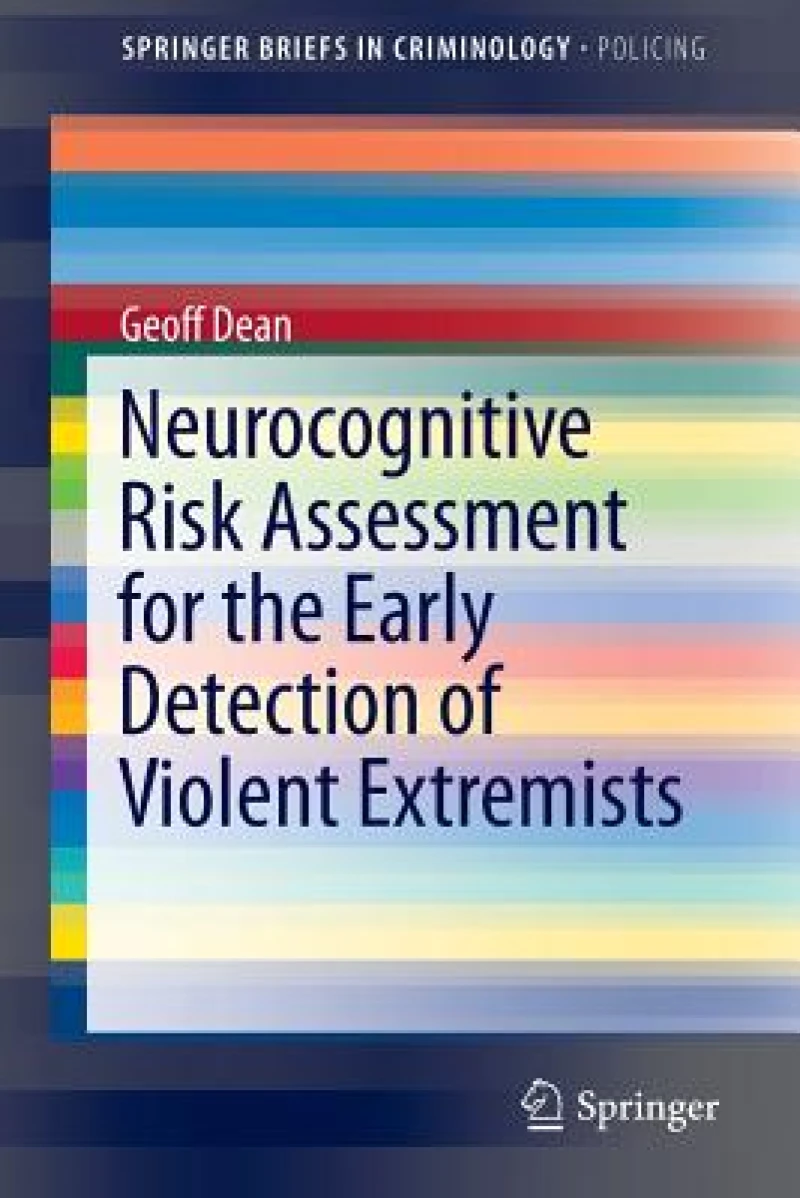
This Brief provides a theoretical and conceptual development of a new Risk Assessment Toolbox (RAT) for the early detection of violent extremists.
This Brief provides a theoretical and conceptual development of a new Risk Assessment Toolbox (RAT) for the early detection of violent extremists. It is based on a neurocognitive perspective, conceptualized as ‘neuroplasticity-in-action’ arising from brain-based neural patterns expressed in mind-based cognitive pathways likely to form a mind-set of violent extremism. This neurocognitive-based Risk Assessment Toolbox (RAT) is comprised of two distinct components: a cognitive indicators instrument that serves as an early detection checklist for trained practitioners, and a software visualisation program. The Brief includes: A framework of contemporary approaches to the risk assessment of violence as well as the background context for the current research project on ‘violent extremism’ and its related concepts of ‘terrorism’ and ‘radicalisation,’ out of which the RAT was developed. A detailed overview of RAT and a pilot case study experiment to highlight the practical value and utility of this neurocognitive Risk Assessment Toolbox. Preliminary research findings of a study conducted with a sample of recognized experts (academics and practitioners) in several countries around the world, to fine tune and validate the risk parameters of the two components that constitute RAT (Risk Assessment Toolbox). The current stage of development of RAT as a practitioner-based system for the early detection of potentially violent extremists as well as its strategic intelligence implications for using a neurocognitive risk assessment approach to violent extremism is discussed. Research limitations and plans for future research studies. This work will be of interest to researchers in Criminology and Criminal Justice interested in studying violent extremism, terrorism and crime prevention and intervention and policing, as well as researchers in related fields of Forensic Psychology, Cognitive Neuroscience and Social Work or SocialIntervention.
Get Neurocognitive Risk Assessment for the Early Detection of Violent Extremists by at the best price and quality guaranteed only at Werezi Africa's largest book ecommerce store. The book was published by Springer International Publishing AG and it has pages.

