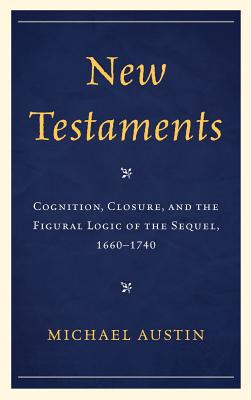
New Testaments : Cognition, Closure, and the Figural Logic of the Sequel, 1660–1740
Book Details
Format
Hardback
ISBN-10
1611493641
ISBN-13
9781611493641
Publisher
Bloomsbury Publishing Plc
Imprint
University of Delaware Press
Country of Manufacture
GB
Country of Publication
GB
Publication Date
Nov 17th, 2011
Print length
180 Pages
Weight
414 grams
Dimensions
23.60 x 16.20 x 1.90 cms
Product Classification:
Literary studies: general
KSh 16,450.00
Currently unavailable
0 in stock
Delivery Location
Delivery fee: Select location
Secure
Quality
Fast
In the seventeenth and eighteenth centuries, popular works of literature attracted—as they attract today—sequels, prequels, franchises, continuations, and parodies. Sequels of all kinds demonstrate the economic realities of the literary marketplace. This represents something fundamental about the way human beings process narrative information. We crave narrative closure, but we also resist its finality, making such closure both inevitable and inadequate in human narratives. Many cultures incorporate this fundamental ambiguity towards closure in the mythic frameworks that fuel their narrative imaginations. New Testaments: Cognition, Closure and the Figural Logic of the Sequel, 1660-1740 examines both the inevitability and the inadequacy of closure in the sequels to four major works of literature written in England between 1660 and 1740: Paradise Lost, The Pilgrim’s Progress, Robinson Crusoe, and Pamela. Each of these works spawned sequels, which—while often different from the original works—connected themselves through rhetorical strategies that can be loosely defined as figural. Such strategies came directly from the culture’s two dominant religious narratives: the Old and New Testaments of the Christian Bible—two vastly dissimilar works seen universally as complementary parts of a unified and coherent narrative.
Get New Testaments by Michael Austin at the best price and quality guaranteed only at Werezi Africa's largest book ecommerce store. The book was published by Bloomsbury Publishing Plc and it has 180 pages.
Customers Who Bought This Also Bought
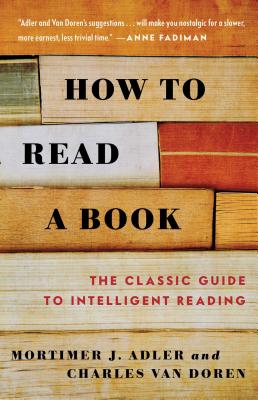
How to Read a Book
KSh 2,000.00
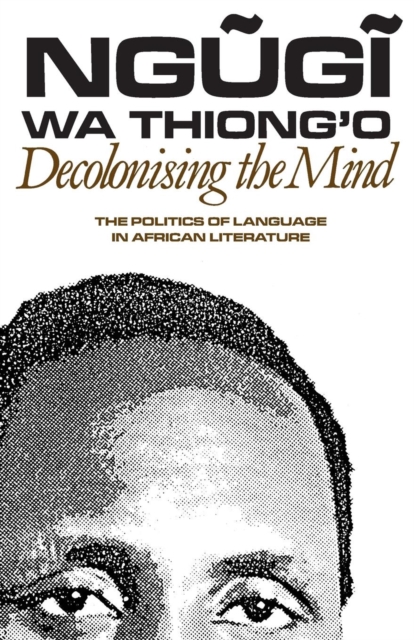
Decolonising the Mind
KSh 4,700.00

How to Read & Why
KSh 2,350.00
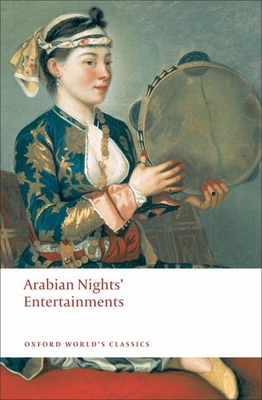
Arabian Nights'' Entertainments
KSh 2,950.00
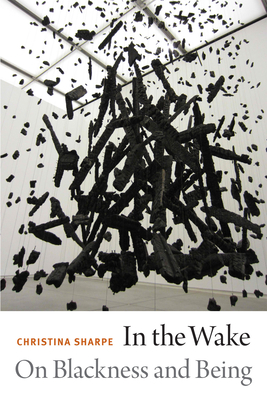
In the Wake
KSh 3,600.00
The Birth of Tragedy
KSh 1,800.00
Against Nature
KSh 1,800.00
The White Album
KSh 3,250.00
Robinson Crusoe
KSh 1,450.00
Metaphysical Poetry
KSh 2,350.00
Reading Lessons
KSh 2,350.00

Literature Book
KSh 4,250.00