
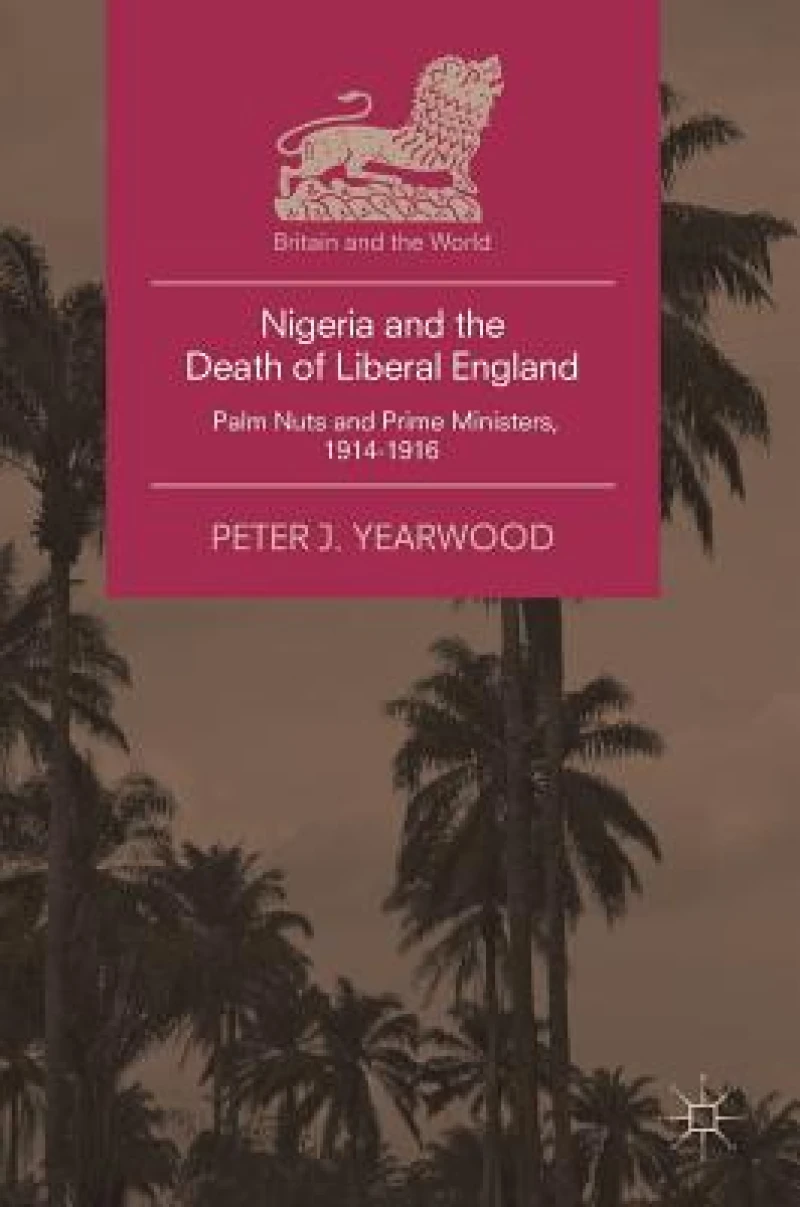
Nigeria and the Death of Liberal England : Palm Nuts and Prime Ministers, 1914-1916
2018 ed.
Book Details
Format
Hardback or Cased Book
Book Series
Britain and the World
ISBN-10
3319905651
ISBN-13
9783319905655
Edition
2018 ed.
Publisher
Springer International Publishing AG
Imprint
Palgrave Macmillan
Country of Manufacture
GB
Country of Publication
GB
Publication Date
Aug 2nd, 2018
Print length
302 Pages
Weight
508 grams
Dimensions
15.40 x 22.00 x 2.30 cms
Ksh 8,100.00
Werezi Extended Catalogue
0 in stock
Delivery Location
Delivery fee: Select location
Secure
Quality
Fast
Based on underused sources, and overturning established interpretations, the book situates the debate within the context of the development of the Nigerian economy, the conflicts between the major firms, the role of oils and fats in wartime, and the emergence of Nigerian nationalism.
This book shows how a stormy parliamentary debate over the sale of German properties in Nigeria on 8 November 1916 began the process which brought down Asquith and made Lloyd George prime minister. The colonial secretary, Bonar Law, who was also leader of the Conservative Party, wanted neutral firms to bid. Usually presented as a policy imposed on him by doctrinaire Liberal free-traders, it was in fact that of the colonial government, which hoped that encouraging foreign competition would prevent the Nigerian export economy becoming controlled by a ring of mainly Liverpool firms. Seeing itself as the defender of Nigerian interests, the Colonial Office endorsed this. The large British companies got up an agitation, which was taken over by Sir Edward Carson, the one significant opposition politician, as part of his attack on supposed German influence in high places. Law counter-attacked by arguing that a supposedly patriotic cause masked the greed of an emergent cartel. He succeeded because smaller British and African firms, trying to break into the now profitable produce export trade, had already painted that picture. By defeating Carson in the debate, Law became again an effective party leader, who hoped to re-invigorate the coalition, but instead found himself working with Lloyd George to sideline Asquith. Based on underused sources, and overturning established interpretations, the book situates the debate within the context of the development of the Nigerian economy, the conflicts between the major firms, the role of oils and fats in wartime, and the emergence of Nigerian nationalism.
Get Nigeria and the Death of Liberal England by at the best price and quality guaranteed only at Werezi Africa's largest book ecommerce store. The book was published by Springer International Publishing AG and it has pages.

