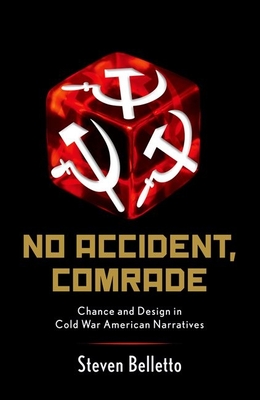
No Accident, Comrade : Chance and Design in Cold War American Narratives
Book Details
Format
Paperback / softback
ISBN-10
0199354359
ISBN-13
9780199354351
Publisher
Oxford University Press Inc
Imprint
Oxford University Press Inc
Country of Manufacture
GB
Country of Publication
GB
Publication Date
Jan 23rd, 2014
Print length
216 Pages
Weight
336 grams
Dimensions
23.40 x 15.60 x 1.30 cms
Product Classification:
Literary studies: from c 1900 -Literary studies: fiction, novelists & prose writersThe Cold War
KSh 6,350.00
Temporarily out of stock, due soon
0 in stock
Delivery Location
Delivery fee: Select location
Secure
Quality
Fast
No Accident, Comrade argues that chance became a complex yet conflicted cultural signifier during the Cold War, when a range of thinkers--politicians, novelists, historians, biologists, sociologists, and others--contended that totalitarianism denied the very existence and operation of chance in the world.
No Accident, Comrade argues that chance became a complex yet conflicted cultural signifier during the Cold War, when a range of thinkers--politicians, novelists, historians, biologists, sociologists, and others--contended that totalitarianism denied the very existence and operation of chance in the world. They claimed that the USSR perpetrated a vast fiction on its population, a fiction amplified by the Soviet view that there is no such thing as chance or accident, only manifestations of historical law (hence the popular American refrain used to refer to Marxism: "It was no accident, Comrade").By reading an expansive range of American novels published between 1947-2005, alongside nonfiction texts by the likes of Jerzy Kosinski, Daniel Bell, Ian Hacking, and mid-century game theorists, No Accident, Comrade explains how associations of chance with democratic freedom and the denial of chance with totalitarianism circulated in Cold War America. Chance became tied to the liberties of U.S. democracy, whereas its eradication or denial became symptomatic of Soviet tyranny. With works by Nabokov, Ellison, Pynchon, Didion, DeLillo, Colson Whitehead, and many others, Steven Belletto shows how writers developed innovative strategies for dealing with and incorporating these ever-present beliefs about chance and its role in their culture. These newly developed narrative techniques allowed them to theorize, satirize, and make sense of the constantly changing relationship between the individual and the state during a largely rhetorical conflict.
Get No Accident, Comrade by Steven Belletto at the best price and quality guaranteed only at Werezi Africa's largest book ecommerce store. The book was published by Oxford University Press Inc and it has 216 pages.
Customers Who Bought This Also Bought
Dreams in a Time of War
KSh 3,050.00
Modern Classics Penguin Essays of George Orwell
KSh 2,700.00
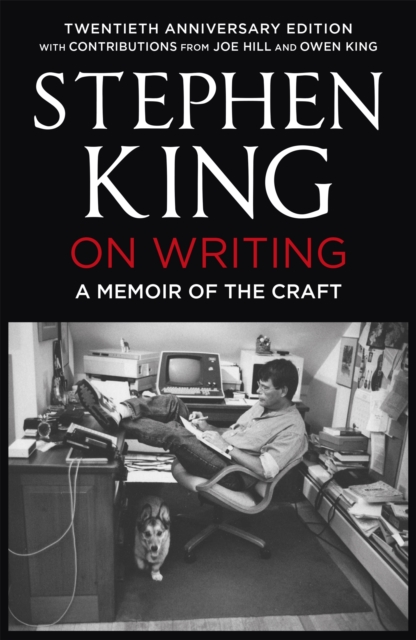
On Writing
KSh 2,000.00

To the Lighthouse
KSh 1,450.00
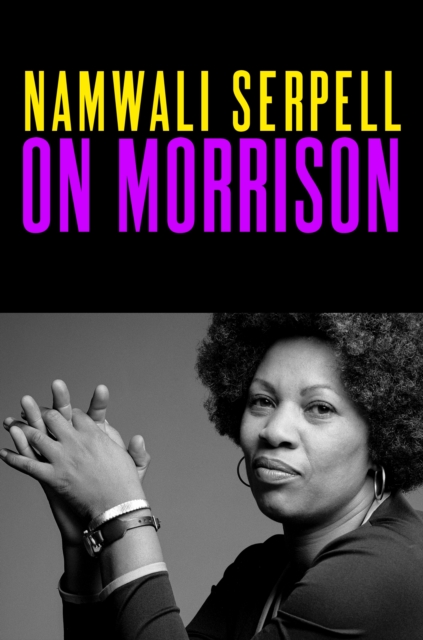
On Morrison
KSh 4,500.00

Africa''s Tarnished Name
KSh 700.00
C. S. Lewis
KSh 1,800.00

Life in Letters
KSh 5,400.00

By Grand Central Station I
KSh 1,800.00
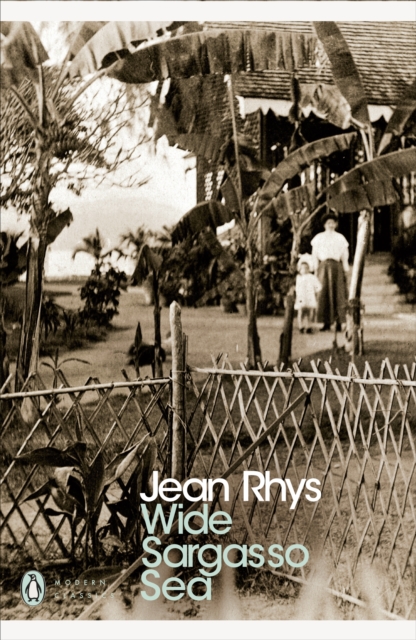
Wide Sargasso Sea
KSh 1,800.00

Mom and Me and Mom
KSh 2,000.00
Jorge Luis Borges
KSh 1,800.00