
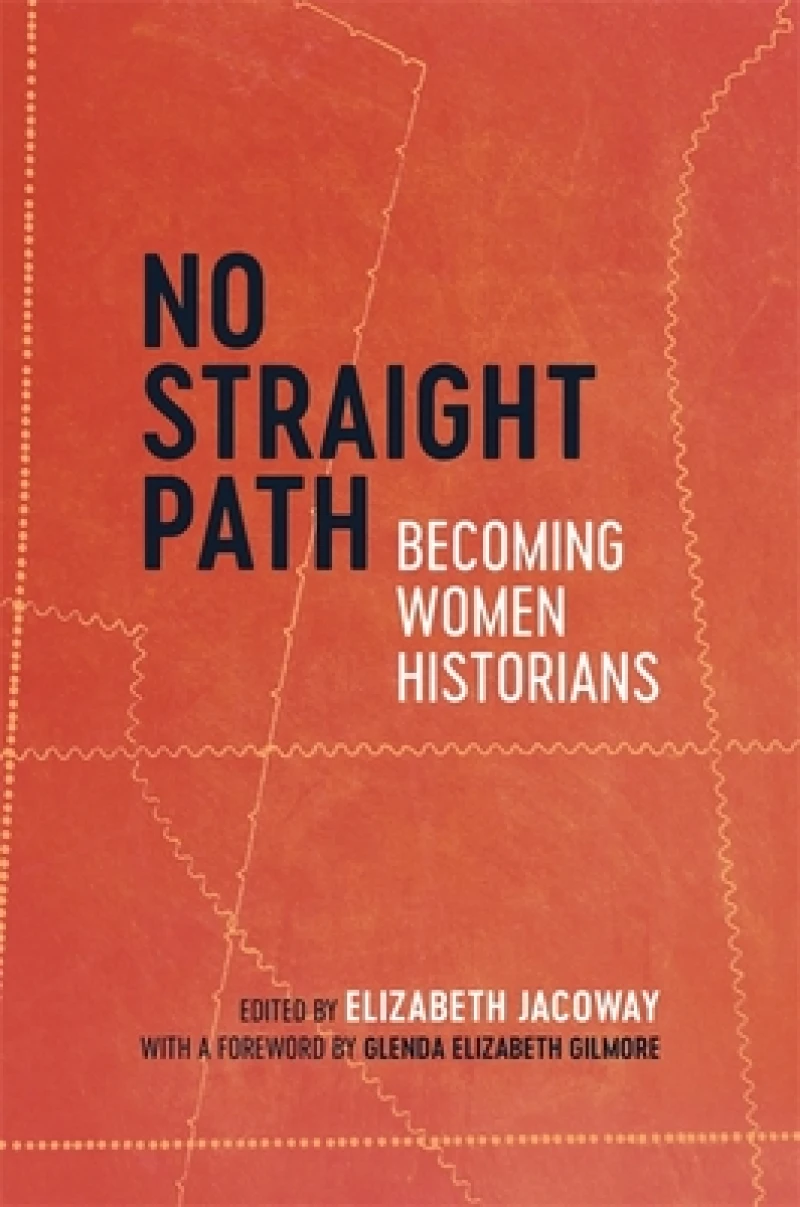
No Straight Path : Becoming Women Historians
Book Details
Format
Hardback or Cased Book
ISBN-10
0807170437
ISBN-13
9780807170434
Publisher
Louisiana State University Press
Imprint
Louisiana State University Press
Country of Manufacture
US
Country of Publication
GB
Publication Date
Sep 4th, 2019
Print length
264 Pages
Weight
550 grams
Dimensions
22.90 x 15.20 x 2.50 cms
Product Classification:
Biography: generalBiography: generalHistoriographyGeneral & world historySocial & cultural historyGender studies: women and girlsGender studies: womenHistoriographyGeneral and world historySocial and cultural historyEducational: Social sciences, social studiesEducational: Social sciences
Ksh 6,800.00
Temporarily out of stock, due soon
0 in stock
Delivery Location
Delivery fee: Select location
Secure
Quality
Fast
Tells the stories of ten successful female historians who came of age in an era when it was unusual for women to pursue careers in academia, especially in the field of history. These first-person accounts illuminate the experiences women of the post-World War II generation encountered when they chose to enter this male-dominated professional world.
No Straight Path tells the stories of ten successful female historians who came of age in an era when it was unusual for women to pursue careers in academia, especially in the field of history. These first-person accounts illuminate the experiences women of the post- World War II generation encountered when they chose to enter this male-dominated professional world.
None of the contributors took a straight path into the profession; most first opted instead for the more conventional pursuits of college, public-school teaching, marriage, and motherhood. Despite these commonalities, their stories are individually unique: one rose from poverty in Arkansas to attend graduate school at Rutgers before earning the chairmanship of the history department at the University of Memphis; another pursued an archaeology degree, studied social work, and served as a college administrator before becoming a history professor at Tulane University; a third was a lobbyist who attended seminary, then taught high school, entered the history graduate program at Indiana University, and helped develop two honors colleges before entering academia; and yet another grew up in segregated Memphis and then worked in public schools in New Jersey before earning a graduate degree in history at the University of Memphis, where she now teaches. The experiences of the other historians featured in this collection are equally varied and distinctive.
Several themes emerge in their collective stories. Most assumed they would become teachers, nurses, secretaries, or society ladies- the only ""respectable"" choices available to women at the time. The obligations of marriage and family, they believed, would far outweigh their careers outside the home. Upon making the unusual decision, at the time, to move beyond high-school teaching and attend graduate school, few grasped the extent to which men dominated the field of history or that they would be perceived by many as little more than objects of sexual desire. The work/home balance proved problematic for them throughout their careers, as they struggled to combine the needs and demands of their families with the expectations of the profession.
These women had no road maps to follow. The giants who preceded them- Gerda Lerner, Anne Firor Scott, Linda K. Kerber, Joan Wallach Scott, A. Elizabeth Taylor, and others- had breached the gates but only with great drive and determination. Few of the contributors to No Straight Path expected to undertake such heroics or to rise to that level of accomplishment. They may have had modest expectations when entering the field, but with the help of female scholars past and present, they kept climbing and reached a level of success within the profession that holds great promise for the women who follow.
None of the contributors took a straight path into the profession; most first opted instead for the more conventional pursuits of college, public-school teaching, marriage, and motherhood. Despite these commonalities, their stories are individually unique: one rose from poverty in Arkansas to attend graduate school at Rutgers before earning the chairmanship of the history department at the University of Memphis; another pursued an archaeology degree, studied social work, and served as a college administrator before becoming a history professor at Tulane University; a third was a lobbyist who attended seminary, then taught high school, entered the history graduate program at Indiana University, and helped develop two honors colleges before entering academia; and yet another grew up in segregated Memphis and then worked in public schools in New Jersey before earning a graduate degree in history at the University of Memphis, where she now teaches. The experiences of the other historians featured in this collection are equally varied and distinctive.
Several themes emerge in their collective stories. Most assumed they would become teachers, nurses, secretaries, or society ladies- the only ""respectable"" choices available to women at the time. The obligations of marriage and family, they believed, would far outweigh their careers outside the home. Upon making the unusual decision, at the time, to move beyond high-school teaching and attend graduate school, few grasped the extent to which men dominated the field of history or that they would be perceived by many as little more than objects of sexual desire. The work/home balance proved problematic for them throughout their careers, as they struggled to combine the needs and demands of their families with the expectations of the profession.
These women had no road maps to follow. The giants who preceded them- Gerda Lerner, Anne Firor Scott, Linda K. Kerber, Joan Wallach Scott, A. Elizabeth Taylor, and others- had breached the gates but only with great drive and determination. Few of the contributors to No Straight Path expected to undertake such heroics or to rise to that level of accomplishment. They may have had modest expectations when entering the field, but with the help of female scholars past and present, they kept climbing and reached a level of success within the profession that holds great promise for the women who follow.
Get No Straight Path by at the best price and quality guaranteed only at Werezi Africa's largest book ecommerce store. The book was published by Louisiana State University Press and it has pages.

