
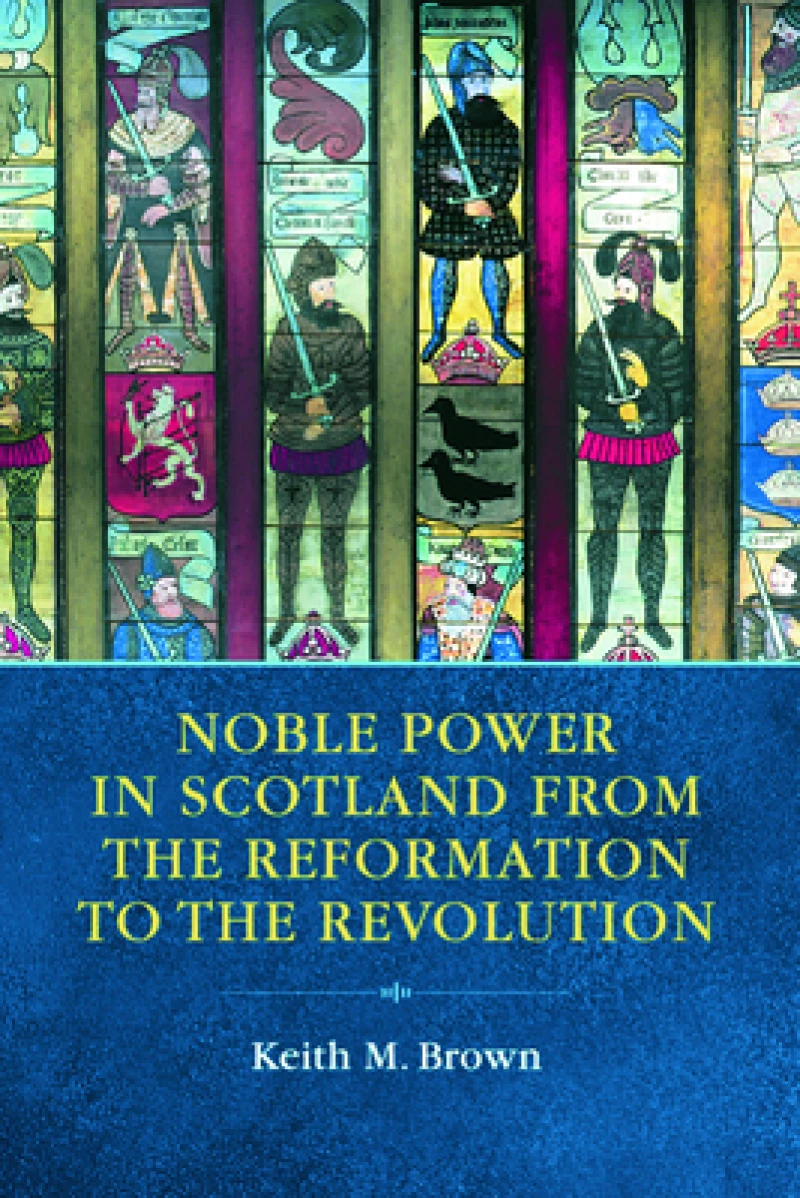
Noble Power in Scotland from the Reformation to the Revolution
Book Details
Format
Paperback / Softback
ISBN-10
0748664661
ISBN-13
9780748664665
Publisher
Edinburgh University Press
Imprint
Edinburgh University Press
Country of Manufacture
GB
Country of Publication
GB
Publication Date
May 21st, 2013
Print length
344 Pages
Weight
534 grams
Dimensions
23.20 x 15.70 x 2.40 cms
Ksh 5,600.00
Werezi Extended Catalogue
0 in stock
Delivery Location
Delivery fee: Select location
Secure
Quality
Fast
Analyses the relations between nobility, crown and state, first in Scotland and then in the first courts of the unified kingdoms.
The period between the Reformation and the Covenanting Revolution has generated much historical debate on issues of political authority and power. In this volume Keith M Brown builds on his previous book, Noble Society in Scotland, to argue that in spite of the changes brought about by the Reformation, by the recovery of crown authority and by the regal union between England and Scotland, the huge power exercised by the nobility remained fundamentally unaltered. Hence when political crisis did surface in 1637-8 the crown lacked the means to oppose a noble-led revolution.Noble Power in Scotland is constructed within a framework that discusses the nobility''s political relationship with the crown in chapters at either end of this volume, taking the regal union of 1603 as the crucial dividing point. The remainder of the book addresses in turn themes that analyse the various roles nobles inhabited in exercising power. There are chapter on nobles as chiefs of the remarkably strong and durable kindreds or clans, as lords over extensive territorial networks of dependants, as warriors and soldiers in domestic and foreign service, as men whose notions of honour often determined political behaviour, as magistrates presiding over a system of private local jurisdictions while also colonising central law courts, as parliamentarians and royal councillors, and as courtiers in attendance on the king in Scotland and after 1603 in London. Brown places this discussion firmly within a wider debate about the enduring power of European nobilities, showing that the Scottish nobility successfully adapted to political change, just as it did to economic and cultural change, to retain its dominant political position throughout the period.
Get Noble Power in Scotland from the Reformation to the Revolution by at the best price and quality guaranteed only at Werezi Africa's largest book ecommerce store. The book was published by Edinburgh University Press and it has pages.

