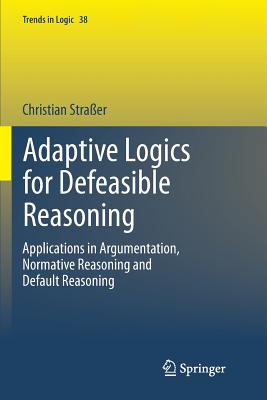
Nonmonotonic Logic
Book Details
Format
Paperback / softback
Book Series
Elements in Philosophy and Logic
ISBN-10
1108986862
ISBN-13
9781108986861
Publisher
Cambridge University Press
Imprint
Cambridge University Press
Country of Manufacture
GB
Country of Publication
GB
Publication Date
Nov 13th, 2025
Print length
136 Pages
Weight
208 grams
Dimensions
15.00 x 22.90 x 1.10 cms
KSh 3,300.00
Currently unavailable
0 in stock
Delivery Location
Delivery fee: Select location
Secure
Quality
Fast
This Element provides a systematic introduction to the multifaceted world of nonmonotonic logics. It explains three central methodologies: formal argumentation, consistent accumulation, and semantic methods. It also reveals connections between the three paradigms by demonstrating translations among them.
Nonmonotonic logics serve as formal models of defeasible reasoning, a type of reasoning where conclusions are drawn absent absolute certainty. Defeasible reasoning takes place when scientists interpret experiments, in medical diagnosis, and in practical everyday situations. Given its wide range of applications, nonmonotonic logic is of interest to philosophy, psychology, and artificial intelligence. This Element provides a systematic introduction to the multifaceted world of nonmonotonic logics. Part I familiarizes the reader with basic concepts and three central methodologies: formal argumentation, consistent accumulation, and semantic methods. Parts II–IV provide a deeper understanding of each of these methods by introducing prominent logics within each paradigm. Despite the apparent lack of unification in the domain of nonmonotonic logics, this Element reveals connections between the three paradigms by demonstrating translations among them. Whether you're a novice or an experienced traveler, this Element provides a reliable map for navigating the landscape of nonmonotonic logic.
Get Nonmonotonic Logic by Christian Straßer at the best price and quality guaranteed only at Werezi Africa's largest book ecommerce store. The book was published by Cambridge University Press and it has 136 pages.
Customers Who Bought This Also Bought

On Great Writing (On the Sublime)
KSh 2,000.00

Look Again: Empire
KSh 1,800.00
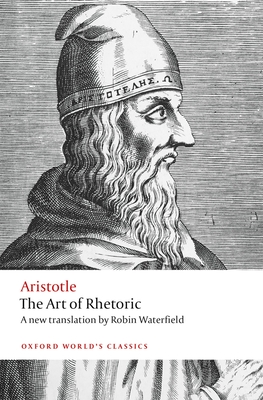
The Art of Rhetoric
KSh 2,000.00
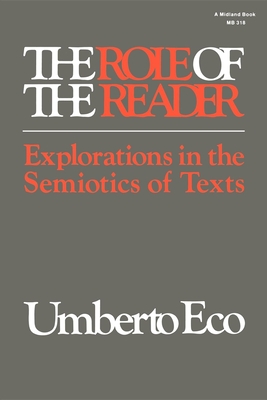
The Role of the Reader
KSh 3,400.00

Six Walks in the Fictional Woods
KSh 4,850.00
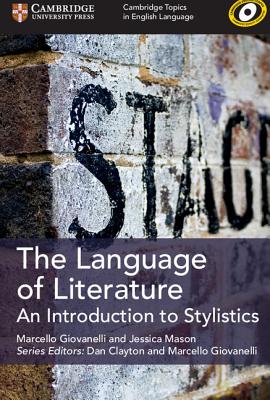
The Language of Literature
KSh 3,450.00
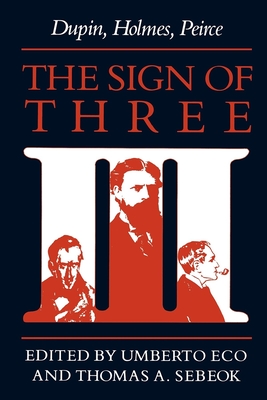
The Sign of Three
KSh 3,250.00
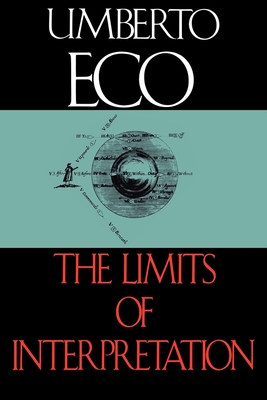
The Limits of Interpretation
KSh 12,200.00

Die philippischen Reden
KSh 22,250.00

Walker Percy''s Search for Community
KSh 5,950.00
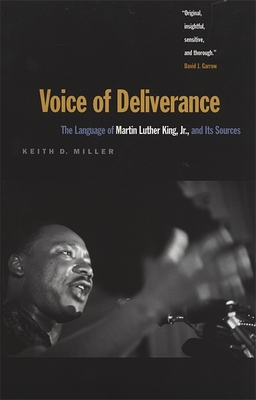
Voice of Deliverance
KSh 6,450.00

Community and Critique
KSh 10,800.00