
Book Details
Format
Paperback / Softback
ISBN-10
3030493024
ISBN-13
9783030493028
Edition
2020 ed.
Publisher
Springer Nature Switzerland AG
Imprint
Springer Nature Switzerland AG
Country of Manufacture
GB
Country of Publication
GB
Publication Date
Oct 21st, 2021
Print length
230 Pages
Ksh 13,500.00
Werezi Extended Catalogue
0 in stock
Delivery Location
Delivery fee: Select location
Secure
Quality
Fast
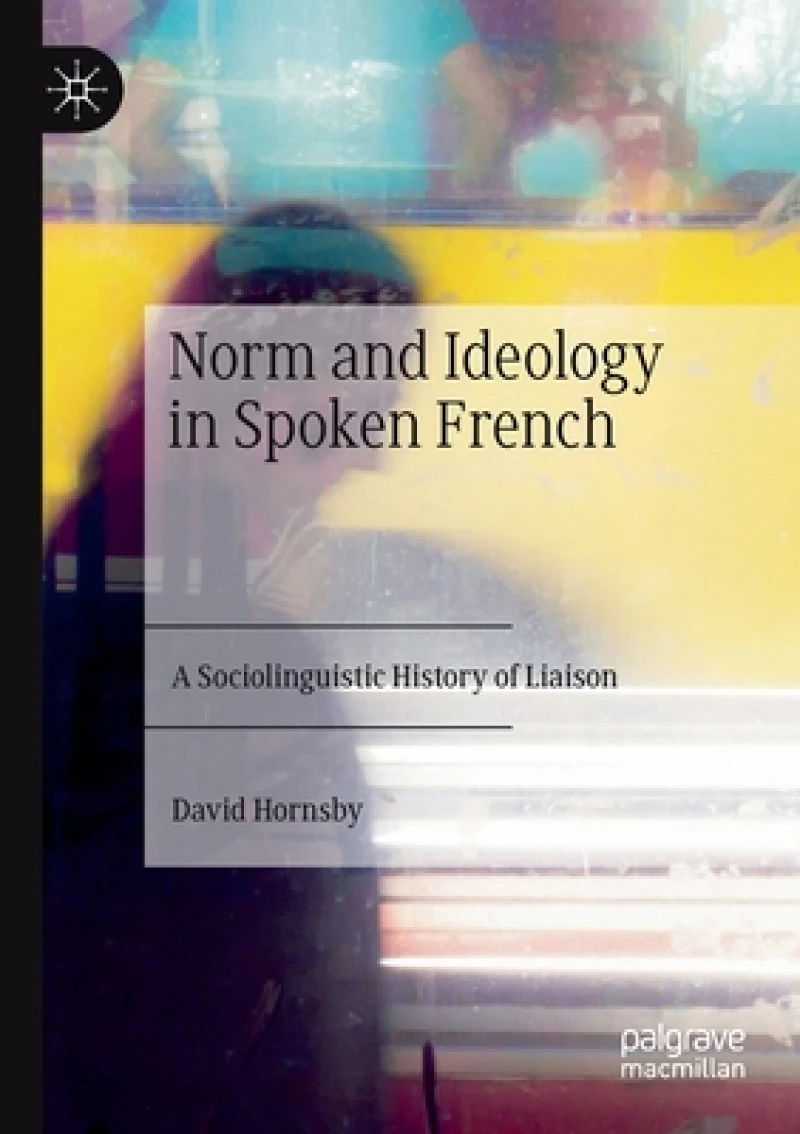
This volume offers a diachronic sociolinguistic perspective on one of the most complex and fascinating variable speech phenomena in contemporary French. Liaison affects a number of word-final consonants which are realized before a vowel but not pre-pausally or before a consonant. Liaisons have traditionally been classified as obligatoire (obligatory), interdite (forbidden) and facultative (optional), the latter category subject to a highly complex prescriptive norm. This volume traces the evolution of this norm in prescriptive works published since the 16th Century, and sets it against actual practice as evidenced from linguists’ descriptions and recorded corpora. The author argues that optional (or variable) liaison in French offers a rich and well-documented example of language change driven by ideology in Kroch’s (1978) terms, in which an elite seeks to maintain a complex conservative norm in the face of generally simplifying changes led by lower socio-economic groups, who tend in this case to restrict liaison to a small set of traditionally obligatory environments.
This volume offers a diachronic sociolinguistic perspective on one of the most complex and fascinating variable speech phenomena in contemporary French. Liaison affects a number of word-final consonants which are realized before a vowel but not pre-pausally or before a consonant. Liaisons have traditionally been classified as obligatoire (obligatory), interdite (forbidden) and facultative (optional), the latter category subject to a highly complex prescriptive norm. This volume traces the evolution of this norm in prescriptive works published since the 16th Century, and sets it against actual practice as evidenced from linguists'' descriptions and recorded corpora. The author argues that optional (or variable) liaison in French offers a rich and well-documented example of language change driven by ideology in Kroch''s (1978) terms, in which an elite seeks to maintain a complex conservative norm in the face of generally simplifying changes led by lower socio-economic groups, who tend in this case to restrict liaison to a small set of traditionally obligatory environments.
Get Norm and Ideology in Spoken French by at the best price and quality guaranteed only at Werezi Africa's largest book ecommerce store. The book was published by Springer Nature Switzerland AG and it has pages.

