

Novel Distortions : Postnationalism and Literary Form in Mexico and Central America
Book Details
Format
Hardback
Book Series
Illuminations
ISBN-10
0822949083
ISBN-13
9780822949084
Publisher
University of Pittsburgh Press
Imprint
University of Pittsburgh Press
Country of Manufacture
GB
Country of Publication
GB
Publication Date
Sep 15th, 2026
Print length
320 Pages
Product Classification:
Literary studies: c 1900 to c 2000Literary studies: from c 1900 -
KSh 19,050.00
Currently unavailable
0 in stock
Delivery Location
Delivery fee: Select location
Secure
Quality
Fast
The novel emerged in lockstep with the nation-state, serving as the cultural counterpart to political form in the modern era.
The novel emerged in lockstep with the nation-state, serving as the cultural counterpart to political form in the modern era. However, these dynamics are unraveling as the raison d’être of the contemporary state veers from its people to the neoliberal market. In Novel Distortions, Tamara L. Mitchell analyzes recent (1996–2019) Mexican and Central American fiction and theorizes this emergent epoch through the lens of postnationalism, which describes the altered but still active role of the patriarchal nation-state in society and culture, as well as the way in which novelistic form inscribes and is a symptom of these changes. Within this context, Mitchell examines narrative fiction that mobilizes a postnational aesthetics to illuminate the distortionary effects of neoliberalism and state violence on modern literary and political forms. As Mexico and Central America confront this new reality, this corpus dramatizes the state’s incapacity to guarantee the security of its people and territory. At the same time, the works’ postnational aesthetics lend imaginative definition to forms of relationality, care, and storytelling that defy the individuality and exclusion fomented by emergent neoliberal logic.
Get Novel Distortions by Tamara Mitchell at the best price and quality guaranteed only at Werezi Africa's largest book ecommerce store. The book was published by University of Pittsburgh Press and it has 320 pages.
Customers Who Bought This Also Bought
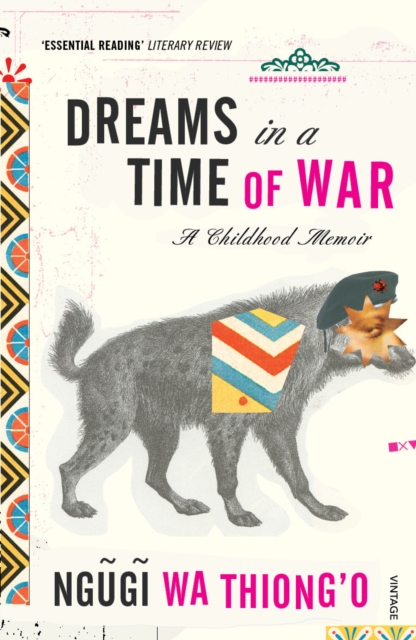
Dreams in a Time of War
KSh 3,050.00
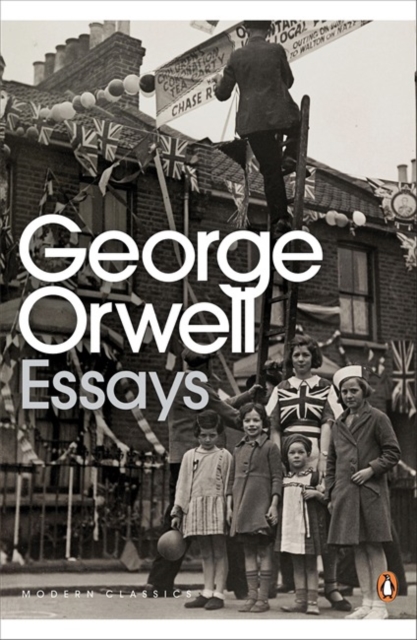
Modern Classics Penguin Essays of George Orwell
KSh 2,700.00
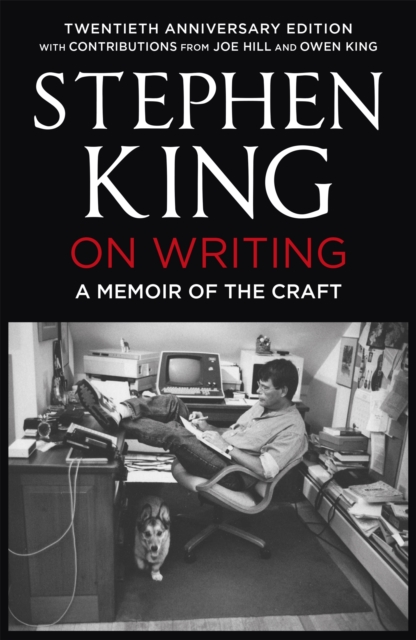
On Writing
KSh 2,000.00

To the Lighthouse
KSh 1,450.00
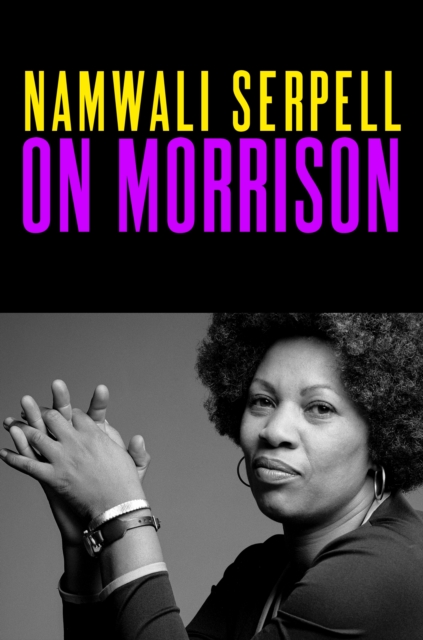
On Morrison
KSh 4,500.00

Africa''s Tarnished Name
KSh 700.00
C. S. Lewis
KSh 1,800.00

Life in Letters
KSh 5,400.00

By Grand Central Station I
KSh 1,800.00
Wide Sargasso Sea
KSh 1,800.00

Mom and Me and Mom
KSh 2,000.00
Jorge Luis Borges
KSh 1,800.00

