
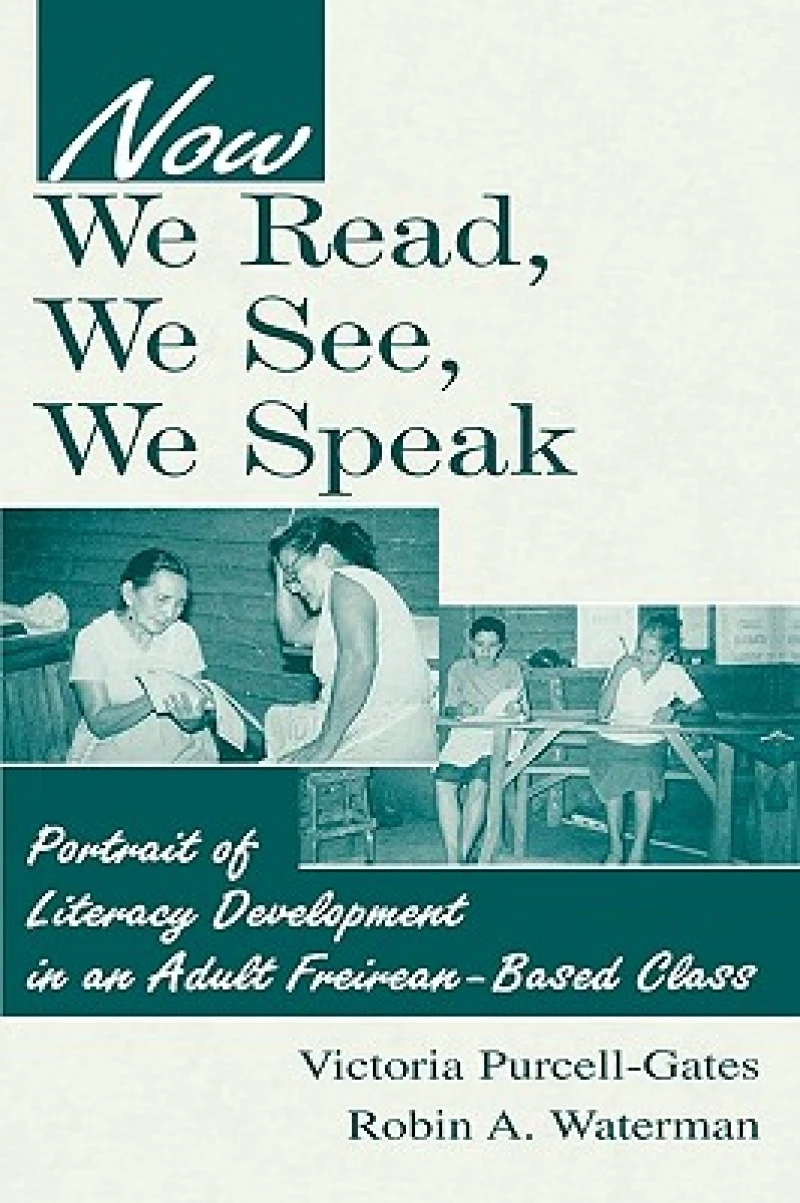
Now We Read, We See, We Speak : Portrait of Literacy Development in an Adult Freirean-Based Class
Book Details
Format
Hardback or Cased Book
ISBN-10
0805834699
ISBN-13
9780805834697
Publisher
Taylor & Francis Inc
Imprint
Routledge
Country of Manufacture
GB
Country of Publication
GB
Publication Date
Apr 1st, 2000
Print length
274 Pages
Weight
590 grams
Ksh 18,700.00
Werezi Extended Catalogue
0 in stock
Delivery Location
Delivery fee: Select location
Secure
Quality
Fast
In-depth ethnographic study, w/ systematic data collection, of a Freirean-based adult literacy program in rural El Salvador, using a sociolinguistic literacy devel. lens. Highlights the relevance of resulting insights & principles for adult literacy educ
Now We Read, We See, We Speak compellingly captures eight women''s progress toward empowerment through a Freirean-based literacy class in rural El Salvador and, in the process, provides telling lessons for literacy and adult educators around the world.
This book fills a real gap in the educational literature on critical theory and literacy teaching and learning. For the first time, we have a multi-layered description and analysis of a literacy class based on Freirean precepts and principles, through the perspective of "traditional" literacy theory and as interpreted through a literacy development lens. This allows us to consider how the adult students learned to read and write within a classroom context that embodies such Freirean precepts as dialogic teacher/student relations; respect for and knowledge of the learners'' lives, language and culture; and intentionality about social-political change. Thus, this book is directed toward literacy practitioners, teachers, and researchers who may have heard or read about critical theory but have a need for concrete examples of the methodological implications of such theory.
Enlivening this account is the compelling description of the histories and lives of the students in the literacy class campesinos women who have survived a brutal and devastating civil war in El Salvador and who, nevertheless, stepped forward to work with a U.S.-trained literacy teacher, Robin Waterman, to learn to read and write for purposes of personal and sociocultural empowerment. The authors provide a highly readable presentation of the historical and cultural contexts for the women and the literacy class. They also raise issues of socioeconomic marginalization, unequal power relationships, and gender as they relate to literacy development.
Basing their account on meticulously gathered and analyzed ethnographic data, Purcell-Gates and Waterman go beyond the presentation of the study to suggest implications and issues for adult literacy education in the United States, linking their findings to current topics in adult education, as well as literacy development in general.
This book fills a real gap in the educational literature on critical theory and literacy teaching and learning. For the first time, we have a multi-layered description and analysis of a literacy class based on Freirean precepts and principles, through the perspective of "traditional" literacy theory and as interpreted through a literacy development lens. This allows us to consider how the adult students learned to read and write within a classroom context that embodies such Freirean precepts as dialogic teacher/student relations; respect for and knowledge of the learners'' lives, language and culture; and intentionality about social-political change. Thus, this book is directed toward literacy practitioners, teachers, and researchers who may have heard or read about critical theory but have a need for concrete examples of the methodological implications of such theory.
Enlivening this account is the compelling description of the histories and lives of the students in the literacy class campesinos women who have survived a brutal and devastating civil war in El Salvador and who, nevertheless, stepped forward to work with a U.S.-trained literacy teacher, Robin Waterman, to learn to read and write for purposes of personal and sociocultural empowerment. The authors provide a highly readable presentation of the historical and cultural contexts for the women and the literacy class. They also raise issues of socioeconomic marginalization, unequal power relationships, and gender as they relate to literacy development.
Basing their account on meticulously gathered and analyzed ethnographic data, Purcell-Gates and Waterman go beyond the presentation of the study to suggest implications and issues for adult literacy education in the United States, linking their findings to current topics in adult education, as well as literacy development in general.
Get Now We Read, We See, We Speak by at the best price and quality guaranteed only at Werezi Africa's largest book ecommerce store. The book was published by Taylor & Francis Inc and it has pages.

