Nuclear Russia : The Atom in Russian Politics and Culture
Book Details
Delivery Location
Delivery fee: Select location
Delivery in 12 days
In the first cultural and political history of the Russian nuclear age, Paul Josephson describes the rise of nuclear physics in the USSR, the enthusiastic pursuit of military and peaceful nuclear programs through the Chernobyl disaster and the collapse of the Soviet Union, and the ongoing, self-proclaimed ‘renaissance’ of nuclear power in Russia in the 21st century. At the height of their power, the Soviets commanded 39,000 nuclear warheads, yet claimed to be servants of the ‘peaceful atom’ – which they also pursued avidly. This book examines both military and peaceful Soviet and post-Soviet nuclear programs for the long durée – before the war, during the Cold War, and in Russia to the present – whilst also grappling with the political and ideological importance of nuclear technologies, the associated economic goals, the social and environmental costs, and the cultural embrace of nuclear power.
Nuclear Russia probes the juncture of history of science and technology, political and cultural history, and environmental history. It considers the atom in Russian society as a reflection of Leninist technological utopianism, Cold War imperatives, scientific hubris, public acceptance, and a state desire to conquer nature. Furthermore the book examines the vital – and perhaps unexpected – significance of ethnicity and gender in nuclear history by looking at how Kazakhs and Nenets lost their homelands and their health in Russia in the wake of nuclear testing, as well as the surprising sexualization of the taming of the female atom in the Russian ‘Miss Atom’ contests that commenced in the 21st century.
Get Nuclear Russia by Professor Paul Josephson at the best price and quality guaranteed only at Werezi Africa's largest book ecommerce store. The book was published by Bloomsbury Publishing PLC and it has 160 pages.
Customers Who Bought This Also Bought
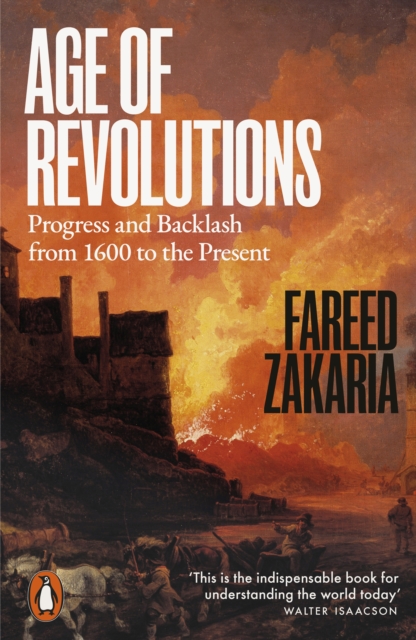
Age of Revolutions
KSh 2,350.00
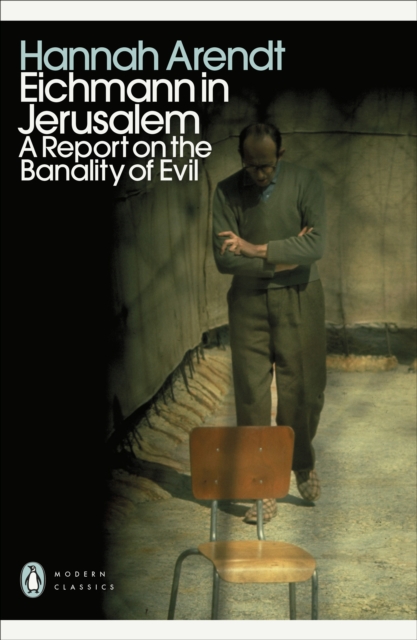
Eichmann in Jerusalem
KSh 2,350.00

Trouble With Being Born
KSh 2,000.00

Hiroshima
KSh 2,000.00
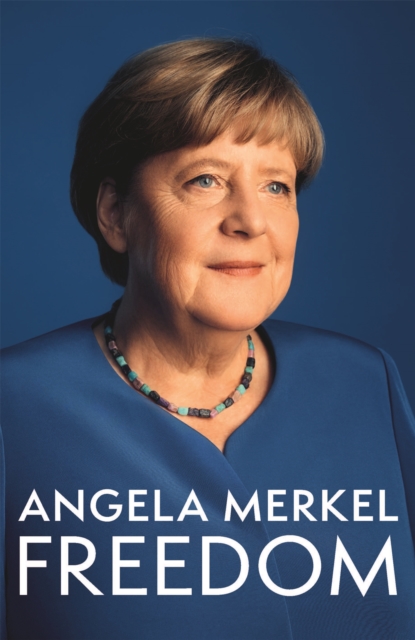
Freedom
KSh 6,300.00
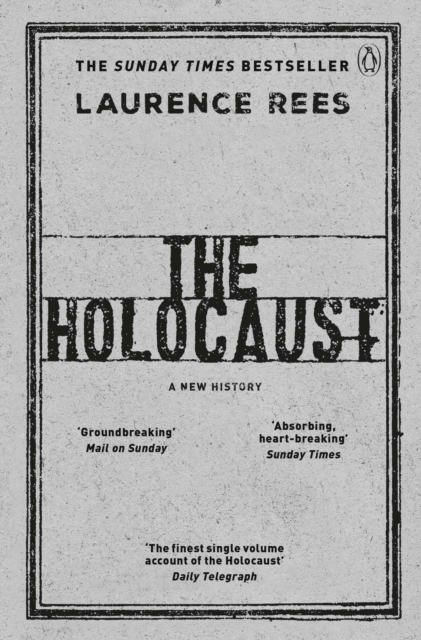
Holocaust
KSh 2,700.00
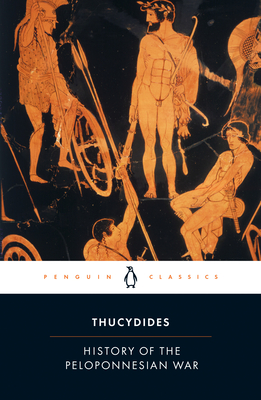
The History of the Peloponnesian War
KSh 2,700.00
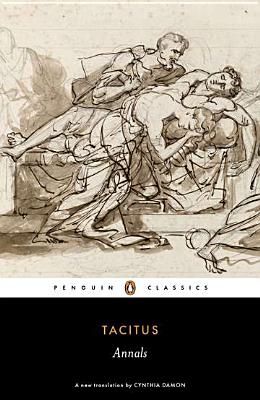
Annals
KSh 2,350.00
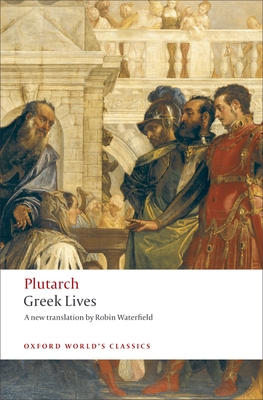
Greek Lives
KSh 2,150.00
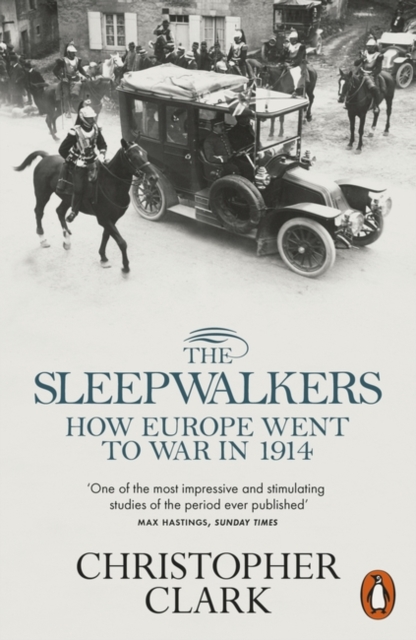
Sleepwalkers
KSh 3,400.00

Napoleon The Great
KSh 3,600.00
Diary of a Young Girl
KSh 1,800.00