Nudging
Book Details
Format
Hardback
ISBN-10
026254444X
ISBN-13
9780262544443
Publisher
MIT Press Ltd
Imprint
MIT Press
Country of Manufacture
GB
Country of Publication
GB
Publication Date
Oct 4th, 2022
Print length
248 Pages
Weight
502 grams
Dimensions
16.10 x 23.70 x 2.50 cms
Product Classification:
Economics
KSh 4,700.00
Werezi Extended Catalogue
Delivery in 4 days
1 copies in stock
Delivery Location
Delivery fee: Select location
Delivery in 4 days
Secure
Quality
Fast
How “nudges” by government can empower citizens without manipulating their preferences or exploiting their biases.
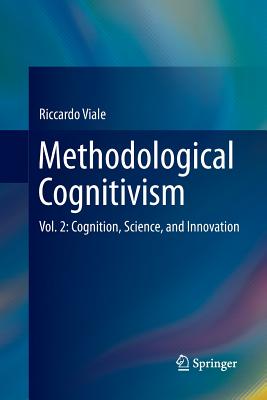
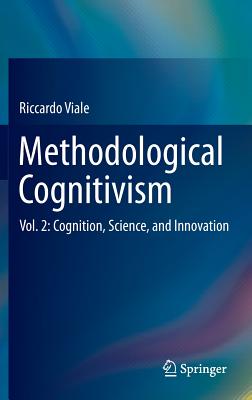
We’re all familiar with the idea of “nudging”—using behavioral mechanisms to encourage people to make certain choices—popularized by Richard Thaler and Cass Sunstein in their bestselling 2008 book Nudge. This approach, also known as “libertarian paternalism,” goes beyond typical programs that simply provide information and incentives; nudges can range from automatic enrollment in a pension plan to flu-shot scheduling. In Nudging, Riccardo Viale explores the evolution of nudging and proposes new approaches that would empower citizens without manipulating them paternalistically. He shows that we can use the tools of the behavioral sciences without abandoning the principle of conscious decision-making.
Viale discusses the work of Herbert Simon, Gerd Gigerenzer, Daniel Kahneman, and Amos Tversky that laid the foundation of behavioral economics, describes how policy makers have sought to help people avoid bad decisions, offers examples of effective nudging, and considers how to nudge the nudgers. How can we tell good nudges from bad nudges? Viale explains that good nudges help us avoid bias and encourage deliberate decision making; bad nudges, on the other hand, use bias to nudge people unconsciously into unintentional behaviors. Bad nudges attempt to compel decisions based on economic rationality. Good nudges encourage decisions based on a pragmatic, adaptive, ecological kind of rationality. Policy makers should take note.
We’re all familiar with the idea of “nudging”—using behavioral mechanisms to encourage people to make certain choices—popularized by Richard Thaler and Cass Sunstein in their bestselling 2008 book Nudge. This approach, also known as “libertarian paternalism,” goes beyond typical programs that simply provide information and incentives; nudges can range from automatic enrollment in a pension plan to flu-shot scheduling. In Nudging, Riccardo Viale explores the evolution of nudging and proposes new approaches that would empower citizens without manipulating them paternalistically. He shows that we can use the tools of the behavioral sciences without abandoning the principle of conscious decision-making.
Viale discusses the work of Herbert Simon, Gerd Gigerenzer, Daniel Kahneman, and Amos Tversky that laid the foundation of behavioral economics, describes how policy makers have sought to help people avoid bad decisions, offers examples of effective nudging, and considers how to nudge the nudgers. How can we tell good nudges from bad nudges? Viale explains that good nudges help us avoid bias and encourage deliberate decision making; bad nudges, on the other hand, use bias to nudge people unconsciously into unintentional behaviors. Bad nudges attempt to compel decisions based on economic rationality. Good nudges encourage decisions based on a pragmatic, adaptive, ecological kind of rationality. Policy makers should take note.
Get Nudging by Riccardo Viale at the best price and quality guaranteed only at Werezi Africa's largest book ecommerce store. The book was published by MIT Press Ltd and it has 248 pages.
Customers Who Bought This Also Bought
Development as Freedom
KSh 2,900.00
Breakneck
KSh 4,500.00
Why Nations Fail
KSh 2,350.00
Anti-Politics Machine
KSh 3,750.00
End of Poverty
KSh 2,350.00
The Thinking Machine
KSh 2,350.00
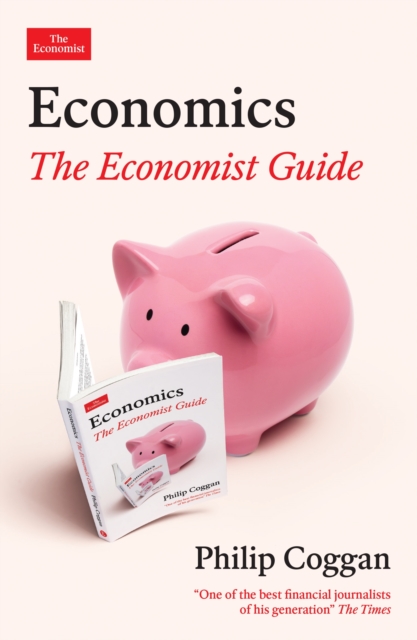
Economics: The Economist Guide
KSh 2,150.00
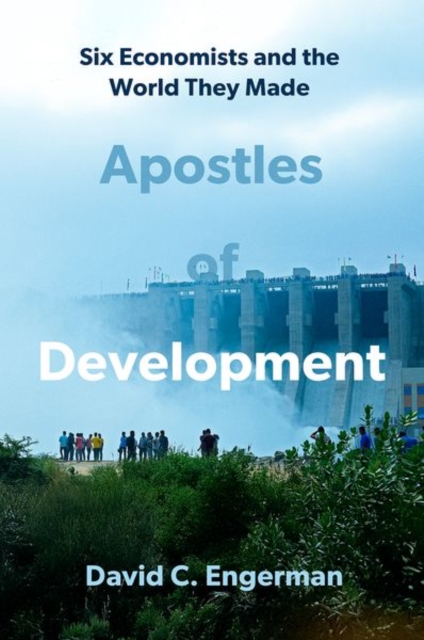
Apostles of Development
KSh 5,600.00
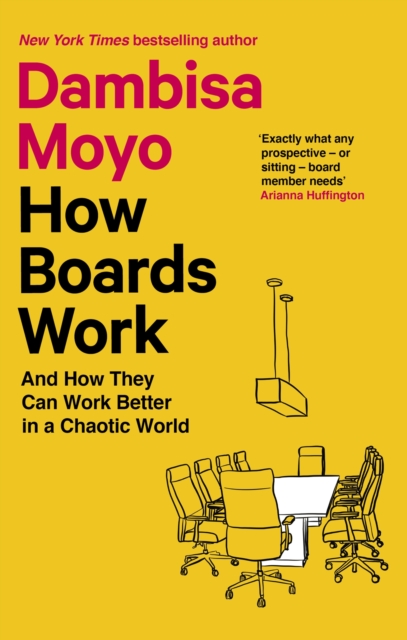
How Boards Work
KSh 2,350.00
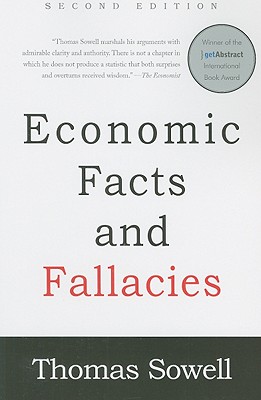
Economic Facts and Fallacies
KSh 3,050.00

Eat That Frog!, Fourth Edition
KSh 3,250.00
Capitalism and Freedom
KSh 3,350.00