
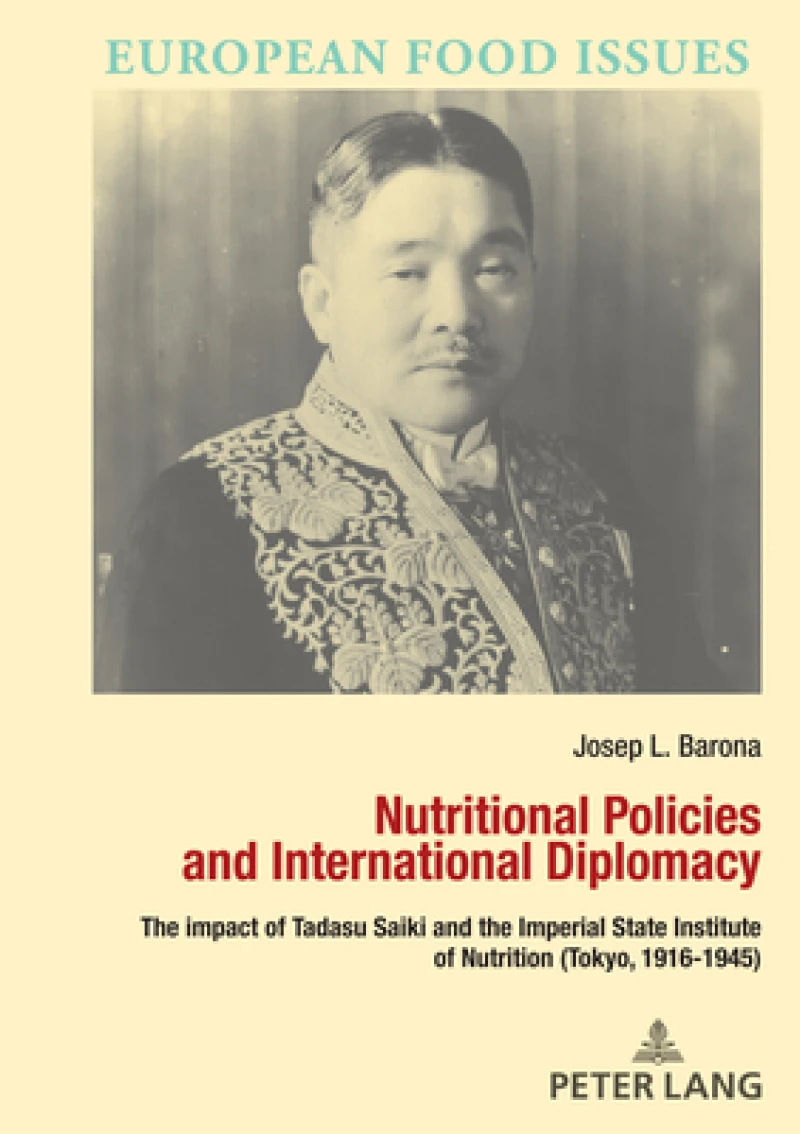
Nutritional Policies and International Diplomacy : The impact of Tadasu Saiki and the Imperial State Institute of Nutrition (Tokyo, 1916-1945)
New
Book Details
Delivery Location
Delivery fee: Select location
This book on to nutrition and public health policies in modernisation of Japan in interwar years describes the birth of public health administration and the cultural significance of rice. It focuses on the figure of Tadasu Saiki, who boosted national policies and wide international diplomacy in Japan and abroad.
This book offers a general approach to the importance of nutrition and public health policies in the process of modernisation of Japan during the interwar years. It describes the origins of scientific and technical modernisation during the Edo, Meiji, and Taisho periods, including the demographic and epidemiologic background, and the birth of a public health administration parallel to the strengthening and expansion of the Japanese empire. Special attention is given to the cultural significance of rice for the Japanese population, and its close relation to disease and nutritional deficiencies, especially beriberi.
The second part of the book is devoted to the prominent figure of Tadasu Saiki (1876-1959), founding father of Japanese nutritional science, and his initiative in creating the Imperial State Institute for Nutrition (ISIN) in Tokyo. The new institution boosted national policies and a wide international diplomacy generating great expectations in Japan and abroad. The international impact of Japanese nutritional research and dietary policies is also analysed. The book ends with an analysis of the negative consequences of the Second World War, a critical breakdown in health and nutrition among the Japanese population.
Get Nutritional Policies and International Diplomacy by at the best price and quality guaranteed only at Werezi Africa's largest book ecommerce store. The book was published by PIE - Peter Lang and it has pages.

