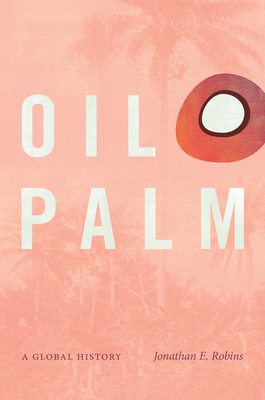
Oil Palm : A Global History
Book Details
Format
Paperback / softback
Book Series
Flows, Migrations, and Exchanges
ISBN-10
1469662892
ISBN-13
9781469662893
Publisher
The University of North Carolina Press
Imprint
The University of North Carolina Press
Country of Manufacture
US
Country of Publication
GB
Publication Date
Jun 28th, 2021
Print length
432 Pages
Weight
594 grams
Dimensions
15.80 x 23.50 x 4.50 cms
Product Classification:
General & world historyPolitical science & theoryPolitical science and theoryInternational tradeInternational trade and commerceInternational economic & trade lawPublic international law: economic and tradeGeneral and world historyEnvironmental science, engineering & technologyEnvironmental science, engineering and technologyAgriculture & farmingAgriculture and farming
KSh 4,850.00
Currently unavailable
0 in stock
Delivery Location
Delivery fee: Select location
Secure
Quality
Fast
Oil palms are ubiquitous - grown in nearly every tropical country, they supply the world with more edible fat than any other plant and play a role in scores of packaged products, from lipstick and soap to margarine and cookies. And as Jonathan Robins shows, sweeping social transformations carried the plant around the planet.
Oil palms are ubiquitous--grown in nearly every tropical country, they supply the world with more edible fat than any other plant and play a role in scores of packaged products, from lipstick and soap to margarine and cookies. And as Jonathan E. Robins shows, sweeping social transformations carried the plant around the planet. First brought to the global stage in the holds of slave ships, palm oil became a quintessential commodity in the Industrial Revolution. Imperialists hungry for cheap fat subjugated Africa's oil palm landscapes and the people who worked them. In the twentieth century, the World Bank promulgated oil palm agriculture as a panacea to rural development in Southeast Asia. As plantation companies tore into rainforests, evicting farmers in the name of progress, the oil palm continued its rise to dominance, sparking new controversies over trade, land and labor rights, human health, and the environment.
By telling the story of the oil palm across multiple centuries and continents, Robins demonstrates how the fruits of an African palm tree became a key commodity in the story of global capitalism, beginning in the eras of slavery and imperialism, persisting through decolonization, and stretching to the present day.
By telling the story of the oil palm across multiple centuries and continents, Robins demonstrates how the fruits of an African palm tree became a key commodity in the story of global capitalism, beginning in the eras of slavery and imperialism, persisting through decolonization, and stretching to the present day.
Get Oil Palm by Jonathan E. Robins at the best price and quality guaranteed only at Werezi Africa's largest book ecommerce store. The book was published by The University of North Carolina Press and it has 432 pages.
Customers Who Bought This Also Bought
A Modern History of the Somali
KSh 5,300.00
Sapiens
KSh 2,350.00

Rise Fall Great Powers
KSh 3,050.00

Legacy of Violence
KSh 3,150.00

Chip War
KSh 2,000.00

Covering Islam
KSh 2,350.00
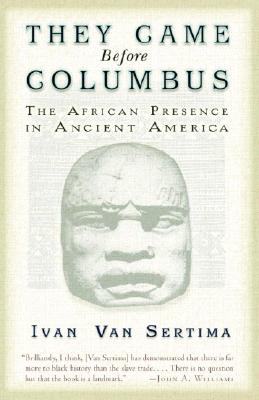
They Came Before Columbus
KSh 3,400.00

Hiroshima
KSh 2,000.00

Guns, Germs and Steel
KSh 2,400.00

Silk Roads
KSh 3,050.00

Empire
KSh 2,700.00

Strategy
KSh 4,350.00