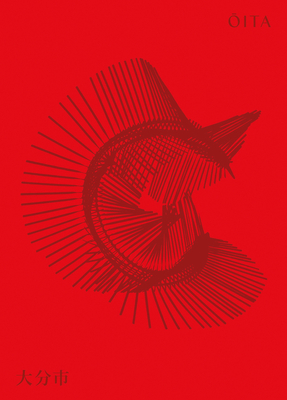
Oita : Japanese bamboo art from the Oita area
Book Details
Format
Paperback / softback
ISBN-10
2956615025
ISBN-13
9782956615026
Publisher
Galerie Mingei
Imprint
Galerie Mingei
Country of Manufacture
FR
Country of Publication
GB
Publication Date
Nov 21st, 2019
Print length
72 Pages
Weight
516 grams
Dimensions
23.10 x 32.20 x 0.80 cms
Product Classification:
Handicrafts, decorative arts & craftsHandicrafts, decorative arts and crafts
KSh 4,950.00
Temporarily out of stock, due soon
0 in stock
Delivery Location
Delivery fee: Select location
Secure
Quality
Fast
Oita Prefecture has long held a central position in the development and dissemination of the bamboo arts in Japan. Work by twelve contemporary bamboo artists from the region is introduced for the first time to a European audience at the Galerie Mingei, Paris. The artworks are all illustrated and short biographies of the artists given.
Oita Prefecture - and the spa town of Beppu in particular - has held a central position in the development and dissemination of the bamboo arts in Japan for more than a century. This cottage industry was promoted by central government at the end of the Meiji era (1868-1912) as it looked for ways to export handicrafts for display at world''s fairs. Craftsmen were encouraged to produce high-quality pieces, some of their creations attaining the level of real artworks.
The success of this enterprise relied fundamentally on the transmission of knowledge and the education of weavers in an academic setting. The first vocational school to offer this kind of training was the Beppu Advanced Industrial Arts and Technology Institute founded in 1902, where artists working in the field continue to be provided with the skills required.
From the early twentieth century to Japan''s entry into the Second World War, the Oita area''s industry in luxury bamboo objects prospered and more than twenty craftsmen from the region had their works shown in museums, both in Japan and abroad. The artist Shono Shounsai (1904-1974), who became the first practitioner of his discipline to be named a Living National Treasure, undeniably blazed the trail for the production of contemporary works, not only by training many of the artists widely recognized today, but also with his sculptural and ''modern'' approach, nourished by a finely honed appreciation for design. Many artists of the Oita region have chosen to follow this approach, as may be seen in the works shown in this exhibition catalogue.
Text in English with an introduction also in Japanese and French.
The success of this enterprise relied fundamentally on the transmission of knowledge and the education of weavers in an academic setting. The first vocational school to offer this kind of training was the Beppu Advanced Industrial Arts and Technology Institute founded in 1902, where artists working in the field continue to be provided with the skills required.
From the early twentieth century to Japan''s entry into the Second World War, the Oita area''s industry in luxury bamboo objects prospered and more than twenty craftsmen from the region had their works shown in museums, both in Japan and abroad. The artist Shono Shounsai (1904-1974), who became the first practitioner of his discipline to be named a Living National Treasure, undeniably blazed the trail for the production of contemporary works, not only by training many of the artists widely recognized today, but also with his sculptural and ''modern'' approach, nourished by a finely honed appreciation for design. Many artists of the Oita region have chosen to follow this approach, as may be seen in the works shown in this exhibition catalogue.
Text in English with an introduction also in Japanese and French.
Get Oita by Philippe Boudin, Zoé Niang at the best price and quality guaranteed only at Werezi Africa's largest book ecommerce store. The book was published by Galerie Mingei and it has 72 pages.
Customers Who Bought This Also Bought

Throne of Glass Colouring Book
KSh 1,950.00
Court of Thorns and Roses Coloring Book
KSh 1,950.00

Pumpkin Spice
KSh 2,000.00
Craftland
KSh 4,500.00
Artist''s Way for Retirement
KSh 3,950.00

Making Magnificent Wood Art
KSh 2,350.00
Paint by Numbers: Art Escapes
KSh 2,700.00

Strawberry Patch
KSh 2,000.00

Fascinating Fungi Colouring Book
KSh 2,800.00

Fuzzy Friends
KSh 1,500.00

Iconic Artists and Their Masterpieces
KSh 1,700.00
Alice''s Adventures in Wonderland
KSh 1,800.00