

Olive Oil : Sensory Characteristics, Composition & Importance in Human Health
Book Details
Format
Paperback / softback
ISBN-10
1536125636
ISBN-13
9781536125634
Publisher
Nova Science Publishers Inc
Imprint
Nova Science Publishers Inc
Country of Manufacture
US
Country of Publication
GB
Publication Date
Nov 1st, 2017
Print length
158 Pages
Weight
266 grams
Dimensions
15.40 x 23.30 x 1.20 cms
Product Classification:
Health & wholefood cookeryHealth and wholefood cookery / healthy eating
KSh 20,900.00
Not available
0 in stock
Delivery Location
Delivery fee: Select location
Secure
Quality
Fast
In Chapter One, D M Salazar, I López-Cortés, and D C Salazar-García give an overview of the composition of fatty acids, tocopherols, and polyphenols in oils from the main five olive areas. They conclude that it is advisable to consume extra virgin olive oils during the prenatal period, childhood, and in combating disease. In Chapter Two, Hédia Manai Djebali and Imen Oueslati examine the link between olive oil and human health, finding that the amounts of sterols depend on olive variety, ripening degree, oil extraction procedures, agronomic, and climatic conditions. In Chapter Three, Malika Drira, Ons Rekik, and Mohamed Bouaziz review the composition of olive oil, determining that it is rich in unsaturated fatty acids and also identifying 20 phenolic compounds from a plethora of phenolic types. María Dolores Alvarez, Wenceslao Canet, María José Jiméne, and Cristina Fernández present a study where samples of mashed potatoes enriched with extra virgin olive oil were perceived as softer in Chapter Four. In chapter five, Imen Oueslati and Hédia Manai explore the characteristics of the volatile compounds, as well as the enzymes involved, in different Mediterranean olive oil categories. J M Ochando-Pulido and A Martinez-Ferez review the present-day treatment processes of olive mill wastewater and olive mill solid waste.
Get Olive Oil by Bertil Henning at the best price and quality guaranteed only at Werezi Africa's largest book ecommerce store. The book was published by Nova Science Publishers Inc and it has 158 pages.
Customers Who Bought This Also Bought

Bold Beans Full of Beans
KSh 4,050.00

Diet Myth
KSh 2,000.00
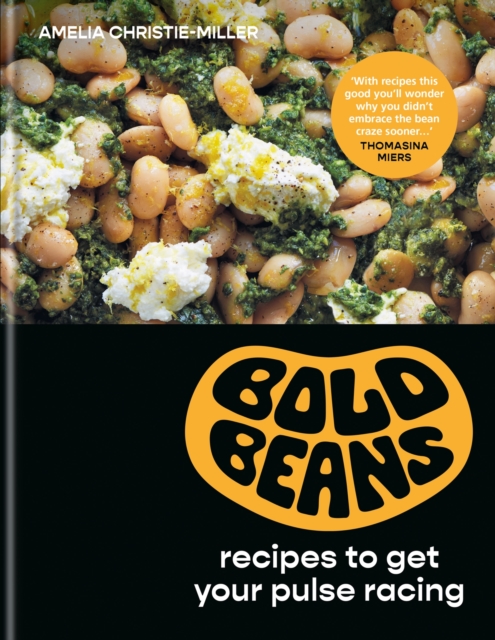
Bold Beans
KSh 3,950.00
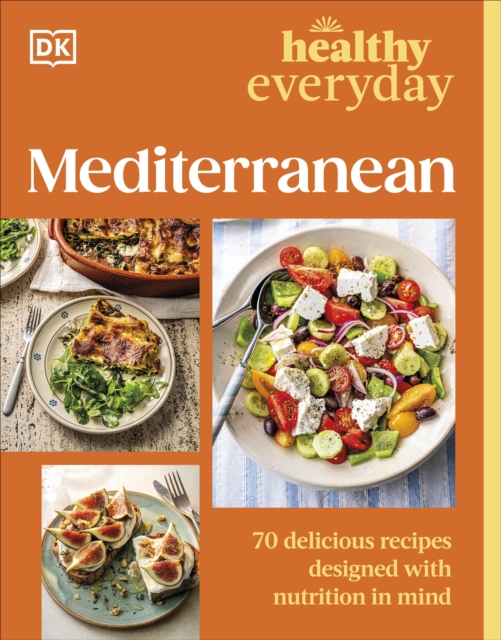
Healthy Everyday Mediterranean
KSh 3,400.00
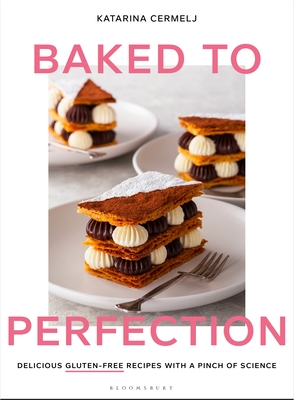
Baked to Perfection
KSh 5,250.00

Everything Elderberry
KSh 4,100.00

Shape Up with Gabby Allen
KSh 2,900.00

Food Fix Uncensored
KSh 3,050.00

Women's Health Meal Prep Cookbook & Manual
KSh 2,050.00
65 Farmers'' Market Organic Seasonal Recipes
KSh 950.00

Bittersweet
KSh 5,150.00

Ultra-Processed Women
KSh 2,000.00
