
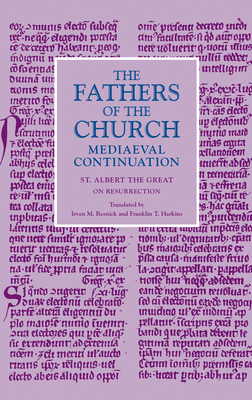
On Resurrection
Book Details
Format
Hardback
Book Series
Fathers of the Church Medieval Continuations
ISBN-10
0813233070
ISBN-13
9780813233079
Publisher
The Catholic University of America Press
Imprint
The Catholic University of America Press
Country of Manufacture
US
Country of Publication
GB
Publication Date
Aug 31st, 2020
Print length
360 Pages
Weight
575 grams
Dimensions
21.50 x 14.20 x 2.50 cms
Product Classification:
Roman Catholicism, Roman Catholic ChurchTheologyRoman Catholicism, Roman Catholic ChurchTheology
KSh 6,500.00
Currently unavailable
0 in stock
Delivery Location
Delivery fee: Select location
Secure
Quality
Fast
The Dominican scholar Albert the Great was drawn into the university debates in Paris in the 1240s and responded in the text translated here for the first time. Albert's On Resurrection not only shaped the understanding of Thomas Aquinas but also that of many other major thinkers.
According to 1 Cor 15.44 and 1 Cor 15.52, the human body “is sown an animal body, [but] it will rise a spiritual body” and “the dead will rise again incorruptible, and we will be changed.” These passages prompted many questions: What is a spiritual body? How can a body become incorruptible? Where will the resurrected body be located? And, what will be the nature of its experience? Medieval theologians sought to answer such questions but encountered troubling paradoxes stemming from the conviction that the resurrected body will be an “impassible body” or constituted from “incorruptible matter.” By the thirteenth century the resurrection demanded increased attention from Church authorities, not only in response to certain popular heresies but also to calm heated debates at the University of Paris. William of Auvergne, Bishop of Paris, officially condemned ten errors in 1241 and in 1244, including the proposition that the blessed in the resurrected body will not see the divine essence. In 1270 Parisian Bishop Étienne Tempier condemned the view that God cannot grant incorruption to a corruptible body, and in 1277 he rejected propositions that a resurrected body does not return as numerically one and the same, and that God cannot grant perpetual existence to a mutable, corruptible body.
The Dominican scholar Albert the Great was drawn into the university debates in Paris in the 1240s and responded in the text translated here for the first time. In it, Albert considers the properties of resurrected bodies in relation to Aristotelian physics, treats the condition of souls and bodies in heaven, discusses the location and punishments of hell, purgatory, and limbo, and proposes a “limbo of infants” for unbaptized children. Albert’s On Resurrection not only shaped the understanding of Thomas Aquinas but also that of many other major thinkers.
The Dominican scholar Albert the Great was drawn into the university debates in Paris in the 1240s and responded in the text translated here for the first time. In it, Albert considers the properties of resurrected bodies in relation to Aristotelian physics, treats the condition of souls and bodies in heaven, discusses the location and punishments of hell, purgatory, and limbo, and proposes a “limbo of infants” for unbaptized children. Albert’s On Resurrection not only shaped the understanding of Thomas Aquinas but also that of many other major thinkers.
Get On Resurrection by St. Albert the Great at the best price and quality guaranteed only at Werezi Africa's largest book ecommerce store. The book was published by The Catholic University of America Press and it has 360 pages.
Customers Who Bought This Also Bought
Magnifica Humanitas
KSh 1,500.00
Hope
KSh 4,500.00
Good Life
KSh 2,350.00

In God's Name
KSh 2,350.00

Leo XIV
KSh 3,600.00
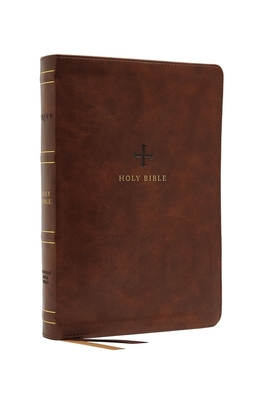
NRSV, Catholic Bible, Thinline Edition, Leathersoft, Brown, Comfort Print
KSh 7,200.00
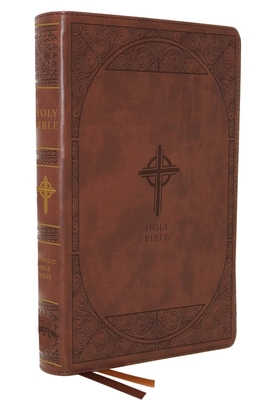
NABRE, New American Bible, Revised Edition, Catholic Bible, Large Print Edition, Leathersoft, Brown, Comfort Print
KSh 10,850.00
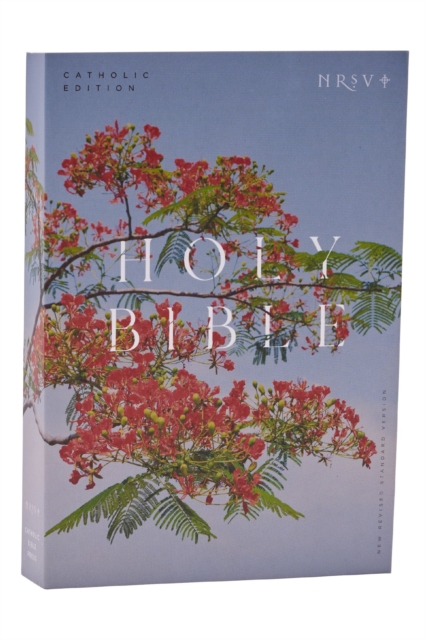
NRSV Catholic Edition Bible, Royal Poinciana Paperback (Global Cover Series)
KSh 3,150.00
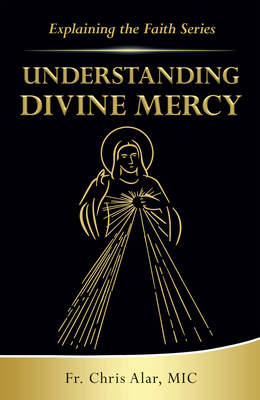
Understanding Divine Mercy
KSh 2,500.00

Modern Classics Edmund Campion Jesuit and Martyr
KSh 1,800.00
The History of the Decline and Fall of the Roman Empire
KSh 2,900.00

Sign of the Cross
KSh 2,000.00

