
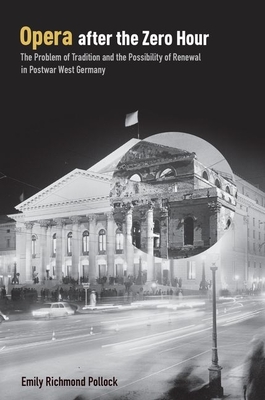
Opera After the Zero Hour : The Problem of Tradition and the Possibility of Renewal in Postwar West Germany
Book Details
Format
Hardback
ISBN-10
0190063734
ISBN-13
9780190063733
Publisher
Oxford University Press Inc
Imprint
Oxford University Press Inc
Country of Manufacture
US
Country of Publication
GB
Publication Date
Oct 14th, 2019
Print length
312 Pages
Weight
604 grams
Dimensions
16.40 x 24.10 x 2.80 cms
Product Classification:
Theory of music & musicologyMusic reviews & criticismOpera
KSh 12,900.00
Currently unavailable
0 in stock
Delivery Location
Delivery fee: Select location
Secure
Quality
Fast
During the reconstruction of West Germany''s cultural life after World War II, opera resumed its central place in civic life, but German cultural traditions were tainted by the horrors of National Socialism. Emily Richmond Pollock''s Opera After the Zero Hour explores composers'' experiments to find expressive strategies and traditional reference points could still work for new opera, and promotes a more nuanced understanding of the relationship between opera and modernism.
Opera After the Zero Hour: The Problem of Tradition and the Possibility of Renewal in Postwar West Germany presents opera as a site for the renegotiation of tradition in a politically fraught era of rebuilding. Though the "Zero Hour" put a rhetorical caesura between National Socialism and postwar West Germany, the postwar era was characterized by significant cultural continuity with the past. With nearly all of the major opera houses destroyed and a complex relationship to the competing ethics of modernism and restoration, opera was a richly contested art form, and the genre''s reputed conservatism was remarkably multi-faceted. Author Emily Richmond Pollock explores how composers developed different strategies to make new opera "new" while still deferring to historical conventions, all of which carried cultural resonances of their own. Diverse approaches to operatic tradition are exemplified through five case studies in works by Boris Blacher, Hans Werner Henze, Carl Orff, Bernd Alois Zimmermann, and Werner Egk. Each opera alludes to a distinct cultural or musical past, from Greek tragedy to Dada, bel canto to Berg. Pollock''s discussions of these pieces draw on source studies, close readings, unpublished correspondence, institutional history, and critical commentary to illuminate the politicized artistic environment that influenced these operas'' creation and reception. The result is new insight into how the particular opposition between a conservative genre and the idea of the "Zero Hour" motivated the development of opera''s social, aesthetic, and political value after World War II.
Get Opera After the Zero Hour by Emily Richmond Pollock at the best price and quality guaranteed only at Werezi Africa's largest book ecommerce store. The book was published by Oxford University Press Inc and it has 312 pages.
Customers Who Bought This Also Bought

Mark Kermode''s Surround Sound
KSh 3,400.00
Harmony and Theory
KSh 4,850.00

Fundamentals of Musical Composition
KSh 3,050.00
Music Theory: the essential guide
KSh 1,450.00

How Music Works
KSh 3,700.00
Essential Dictionary of Music Notation
KSh 1,950.00

Structural Functions of Harmony
KSh 2,700.00
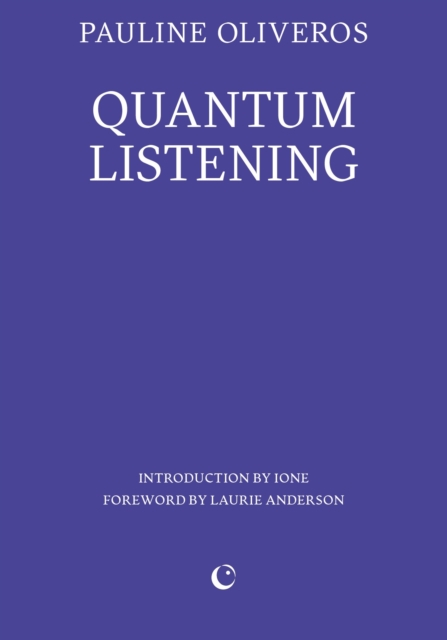
Quantum Listening
KSh 1,450.00

The Technique of Orchestration
KSh 14,250.00
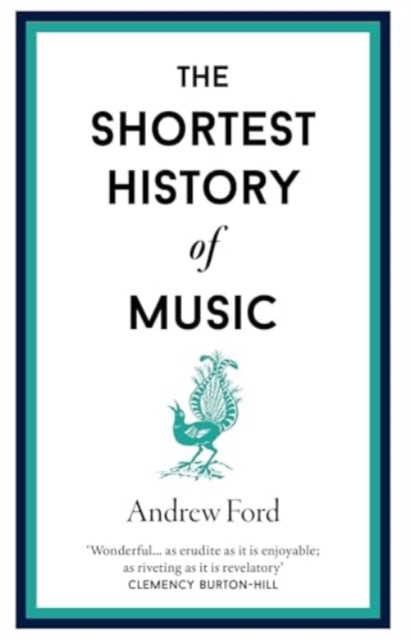
The Shortest History of Music
KSh 2,700.00

On The Musically Beautiful
KSh 3,250.00
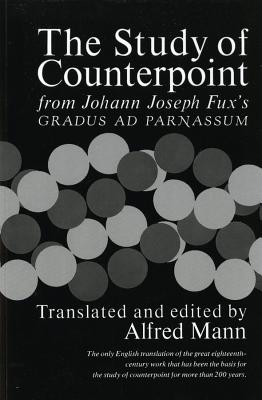
The Study of Counterpoint
KSh 2,900.00
