
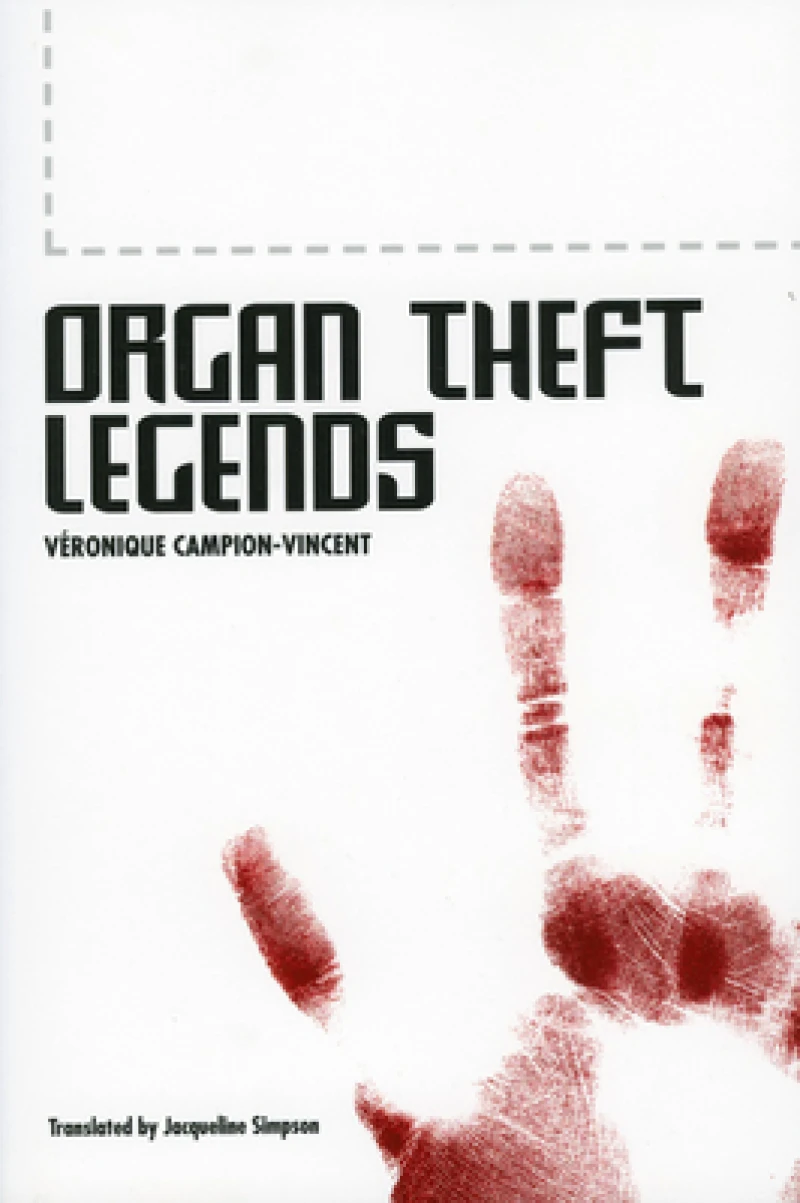
Organ Theft Legends
Book Details
Format
Paperback / Softback
ISBN-10
1604737387
ISBN-13
9781604737387
Publisher
University Press of Mississippi
Imprint
University Press of Mississippi
Country of Manufacture
US
Country of Publication
GB
Publication Date
Mar 30th, 2011
Print length
277 Pages
Weight
376 grams
Dimensions
15.20 x 23.00 x 1.60 cms
Product Classification:
Folklore, myths & legends
Ksh 5,050.00
Werezi Extended Catalogue
0 in stock
Delivery Location
Delivery fee: Select location
Secure
Quality
Fast
In 1987 horrific tales of organ theft that had been circulating in Central and South America for years caught the attention of the international media. Soon reports came from all over the planet, rising to a crescendo in the late 1990s. Veronique Campion-Vincent describes these narratives in detail and classifies them as three basic types: the Baby Parts Story, Eye Thieves, and Kidney Heists. She then recounts the social problems that seemed to make these awful legends plausible--trade in human organs bought from the living poor; advances in modern medicine which seemed to blur the lines between life and death; the ills of poverty in the developing world and its consequences; international adoption and real human trafficking. Religious and moral authorities, political campaigners, propagandists, and the media all exploited the legends of organ theft according to their specific agendas. Campion-Vincent reviews the explanations offered by authorities, reporters, and anthropologists and offers her own folklore analysis pointing out the similarities between organ theft stories and the perennial tale of the Slaughter of the Innocents. Noting the real trials of everyday life in much of the Third World and documented cases of illegal trafficking in organs, corpses, and children, Campion-Vincent does not dismiss these tales as just another example of urban legends run amok. Instead, she offers a nuanced analysis of the connections between traditional horror tales, modern trends, and real events to show how complicated it can be to know the truth of any particular story. These legends still circulate, and variations remain commonplace throughout the world. Campion-Vincent notes, sadly, that the social problems that paralleled the rise of organ theft narratives persist today. Veronique Campion-Vincent of Paris, France, works at the Maison des Sciences de L'Homme. She has published numerous books in French and articles in French and English on contemporary legends.
An unflinching exploration of the sources of tales of dismembermentIn 1987 horrific tales of organ theft that had been circulating in Central and South America for years caught the attention of the international media. Soon reports came from all over the planet, rising to a crescendo in the late 1990s. Véronique Campion-Vincent describes these narratives in detail and classifies them as three basic types: the Baby Parts Story, Eye Thieves, and Kidney Heists. She then recounts the social problems that seemed to make these awful legends plausible--trade in human organs bought from the living poor; advances in modern medicine which seemed to blur the lines between life and death; the ills of poverty in the developing world and its consequences; international adoption and real human trafficking.Religious and moral authorities, political campaigners, propagandists, and the media all exploited the legends of organ theft according to their specific agendas. Campion-Vincent reviews the explanations offered by authorities, reporters, and anthropologists and offers her own folklore analysis pointing out the similarities between organ theft stories and the perennial tale of the Slaughter of the Innocents. Noting the real trials of everyday life in much of the Third World and documented cases of illegal trafficking in organs, corpses, and children, Campion-Vincent does not dismiss these tales as just another example of urban legends run amok. Instead, she offers a nuanced analysis of the connections between traditional horror tales, modern trends, and real events to show how complicated it can be to know the truth of any particular story.These legends still circulate, and variations remain commonplace throughout the world. Campion-Vincent notes, sadly, that the social problems that paralleled the rise of organ theft narratives persist today.Véronique Campion-Vincent of Paris, France, works at the Maison des Sciences de L''Homme. She has published numerous books in French and articles in French and English on contemporary legends.
Get Organ Theft Legends by at the best price and quality guaranteed only at Werezi Africa's largest book ecommerce store. The book was published by University Press of Mississippi and it has pages.

