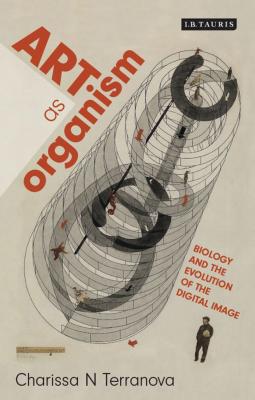
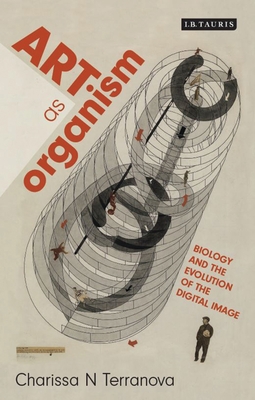
Organic Modernism : From the British Bauhaus to Cybernetics
Book Details
Format
Paperback / softback
Book Series
Biotechne: Interthinking Art, Science and Design
ISBN-10
1350227579
ISBN-13
9781350227576
Publisher
Bloomsbury Publishing PLC
Imprint
Bloomsbury Visual Arts
Country of Manufacture
GB
Country of Publication
GB
Publication Date
May 28th, 2026
Print length
304 Pages
Weight
480 grams
Dimensions
23.20 x 15.20 x 2.00 cms
Product Classification:
Theory of art
KSh 6,100.00
Currently unavailable
0 in stock
Delivery Location
Delivery fee: Select location
Secure
Quality
Fast
When artists, scientists, and designers unite they create new ways of thinking and alternative paths to problem solving.
The first book to trace the story of British "organic modernism", this ground-breaking open access study tells the story of a collective culture of artists, scientists, and designers in 20th century united by a holistic understanding of the organic world and devoted to collaboration, cooperation, and cross-pollination of the arts and biological sciences.
Tracing how artists, scientists, and designers cooperated in various capacities from the Great Depression to postwar cybernetics, this book follows the evolution of philosophical organicism from the British Bauhaus, modern architecture, and surrealism; through to post-war socialism, the welfare state, epigenetics, biology-based art exhibitions; robotic art and design, cybernetics and ecology in art. Reacting against blunt reductionism, organic modernists implemented organicist and emergentist philosophies in scientific labs, design studios, and art ateliers, embracing complexity to solve problems in various scales and arenas, from cells to socialism. Their actions offer a template for finding meaningful agency and problem solving in today''s world fraught by global climate disaster, ever-expanding economic inequalities, and backsliding democracy
A sequel to Terranova''s Art as Organism: Biology and the Evolution of the Digital Image (2016), Organic Modernism reveals the biological roots of cybernetics in the British context.
The ebook editions of this book are available open access under a CC BY-NC-ND 4.0 licence on bloomsburycollections.com. Open access was funded by theEdith O''Donnell Institute of Art History.
The first book to trace the story of British "organic modernism", this ground-breaking open access study tells the story of a collective culture of artists, scientists, and designers in 20th century united by a holistic understanding of the organic world and devoted to collaboration, cooperation, and cross-pollination of the arts and biological sciences.
Tracing how artists, scientists, and designers cooperated in various capacities from the Great Depression to postwar cybernetics, this book follows the evolution of philosophical organicism from the British Bauhaus, modern architecture, and surrealism; through to post-war socialism, the welfare state, epigenetics, biology-based art exhibitions; robotic art and design, cybernetics and ecology in art. Reacting against blunt reductionism, organic modernists implemented organicist and emergentist philosophies in scientific labs, design studios, and art ateliers, embracing complexity to solve problems in various scales and arenas, from cells to socialism. Their actions offer a template for finding meaningful agency and problem solving in today''s world fraught by global climate disaster, ever-expanding economic inequalities, and backsliding democracy
A sequel to Terranova''s Art as Organism: Biology and the Evolution of the Digital Image (2016), Organic Modernism reveals the biological roots of cybernetics in the British context.
The ebook editions of this book are available open access under a CC BY-NC-ND 4.0 licence on bloomsburycollections.com. Open access was funded by theEdith O''Donnell Institute of Art History.
Get Organic Modernism by Dr. Charissa N. Terranova at the best price and quality guaranteed only at Werezi Africa's largest book ecommerce store. The book was published by Bloomsbury Publishing PLC and it has 304 pages.
Customers Who Bought This Also Bought

World According to Colour
KSh 2,700.00
What Art Does
KSh 2,700.00
Art on My Mind
KSh 2,000.00

Modern Classics Ways of Seeing
KSh 2,000.00
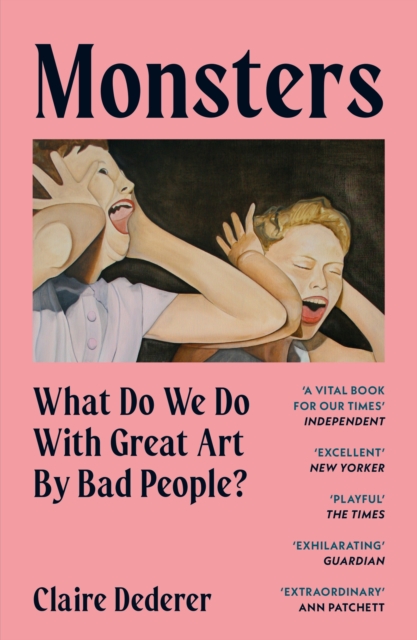
Monsters
KSh 2,350.00

Create Dangerously
KSh 700.00

Danse Macabre
KSh 2,500.00
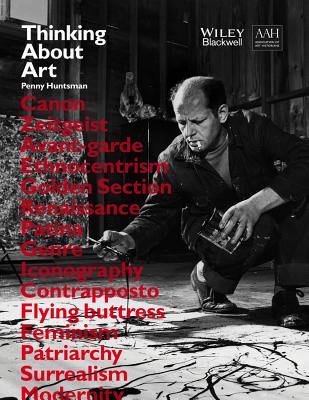
Thinking About Art – A Thematic Guide to Art History
KSh 5,800.00

Monsters
KSh 3,600.00

The Artist''s Way
KSh 4,500.00
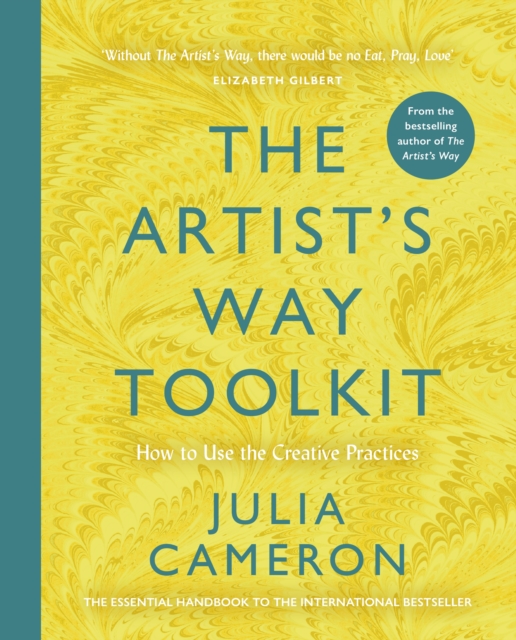
The Artist''s Way Toolkit
KSh 2,350.00

Goya''s Last Portrait/A Question of Geography
KSh 2,350.00