

Organizing Creativity : Context, Process, and Practice
Book Details
Format
Paperback / softback
ISBN-10
0198864140
ISBN-13
9780198864141
Publisher
Oxford University Press
Imprint
Oxford University Press
Country of Manufacture
GB
Country of Publication
GB
Publication Date
Oct 5th, 2023
Print length
224 Pages
Weight
406 grams
Dimensions
17.10 x 24.70 x 1.50 cms
Product Classification:
Business & managementBusiness and ManagementBusiness strategyBusiness innovation
KSh 7,050.00
Temporarily out of stock, due soon
0 in stock
Delivery Location
Delivery fee: Select location
Secure
Quality
Fast
Organizing Creativity builds on the premise that creativity is essentially about ideas. Every organization is dependent on valuable ideas for solving everyday problems as well as inventing new processes, products, or services.
Creativity is a defining feature of contemporary work life. Who has not taken part in brainstorming sessions, read glossy pamphlets about innovation and creativity as important cornerstones of a new business strategy, or been made aware of the importance of creative skills for one´s career? But what does it mean to be creative in and as an organization? Organizing Creativity provides an answer to this question. The book builds on the premise that creativity is essentially about ideas. Every organization is dependent on valuable ideas for solving everyday problems as well as inventing new processes, products or services. The main argument of the book is that an analysis of organizational creativity should always account for the interdependency of context, process and practice. Based on cultural and processual perspectives, it highlights the implications of context, process and practice for different aspects of the creative process: generating, evaluating and facilitating ideas. Furthermore, it reflects on how dominant notions of creativity in the economy and society prevent transformative changes and suggests a radical transformative approach to organizing creativity as an alternative. To support and illustrate its argument, Organizing Creativity draws on abundant empirical examples, case illustrations and seminal research from Sociology, Social Psychology and Organization Studies. It provides us with a multi-dimensional perspective and will both further our understanding of and spark critical reflection on the complex interplay of the organizational, social and cultural contexts, processes and practices of organizing creativity.
Get Organizing Creativity by Stephan M. Schaefer at the best price and quality guaranteed only at Werezi Africa's largest book ecommerce store. The book was published by Oxford University Press and it has 224 pages.
Customers Who Bought This Also Bought
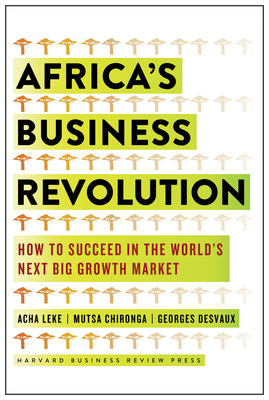
Africa''s Business Revolution
KSh 4,500.00

Nice Girls Don''t Get the Corner Office
KSh 1,800.00

The Culture Map
KSh 3,050.00
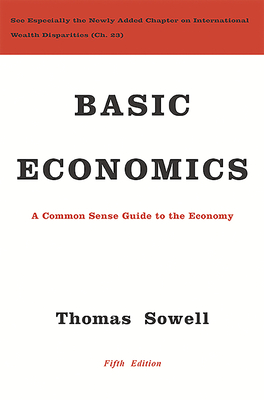
Basic Economics
KSh 6,850.00

Who Moved My Cheese
KSh 1,600.00
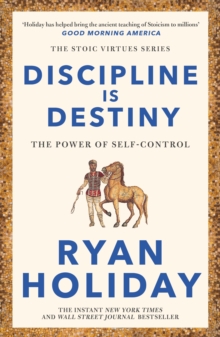
Discipline Is Destiny
KSh 2,150.00
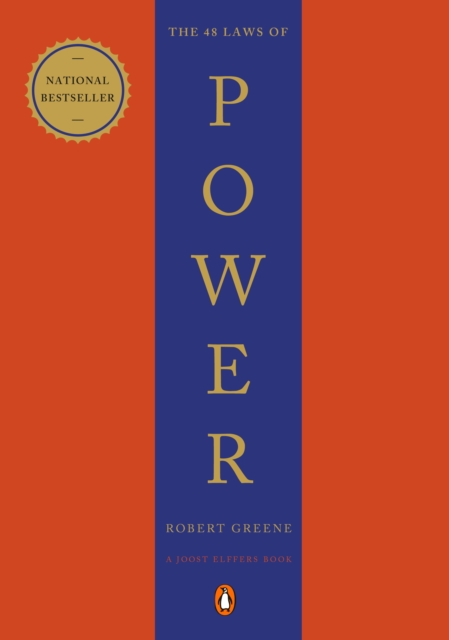
The 48 Laws of Power
KSh 4,700.00
The Obstacle is the Way
KSh 2,150.00

The Leader Who Had No Title
KSh 1,800.00
No Limits
KSh 3,050.00

Surrounded by Narcissists
KSh 2,350.00

So Good They Can''t Ignore You
KSh 3,050.00

