

Orphan Narratives : The Postplantation Literature of Faulkner, Glissant, Morrison, and Saint-John Perse
Book Details
Format
Hardback
Book Series
New World Studies
ISBN-10
0813926408
ISBN-13
9780813926407
Publisher
University of Virginia Press
Imprint
University of Virginia Press
Country of Manufacture
US
Country of Publication
GB
Publication Date
May 30th, 2007
Print length
256 Pages
Weight
483 grams
Dimensions
23.00 x 16.50 x 2.00 cms
KSh 8,300.00
Currently unavailable
0 in stock
Delivery Location
Delivery fee: Select location
Secure
Quality
Fast
Investigates the fiction and poetry of four writers who emerged from the postslavery plantation world of the Americas - William Faulkner, Edouard Glissant, Toni Morrison, and Saint-John Perse - to show how these descendants from slaves and from slaveholders wrote both in relation and in resistance to the violence of plantation slavery.
In ""Orphan Narratives"", Valerie Loichot investigates the fiction and poetry of four writers who emerged from the postslavery plantation world of the Americas - William Faulkner (USA), Edouard Glissant (Martinique), Toni Morrison (USA), and Saint-John Perse (Guadeloupe) - to show how these descendants from slaves and from slaveholders wrote both in relation and in resistance to the violence of plantation slavery. She uses the term ""orphan narrative"" to capture the ways in which this violence servered the child, the text, and history from a traceable origin. Black or white, male or female, Antillean or American, these writers share a common inheritance and transnational connection through which their texts maintain familial, temporal, and narrative patterns without having any central authority figure. The author specifically cites Saint-John Perse''s ""Eloges"" (1911), Faulkner''s ""Light in August"" (1932), Morrison''s ""Song of Solomon"" (1977), and Glissant''s ""La Case du commandeur"" (1981) as postslavery texts. Where the actual family is dismembered, these narrative accounts invent new familian links. Reciprocally, biological family ties endure despite the literal and discursive violence inflicted upon them. Breaking new ground in trans-American studies by juxtaposing texts from the francophone Lesser Antilles and the U.S. South, ""Orphan Narratives"" will be a valuable addition to Caribbean, American, and postcolonial studies, not to mention its appeal to scholars and students of Faulkner, Glissant, Morrison, and Saint-John Perse.
Get Orphan Narratives by Valerie Loichot at the best price and quality guaranteed only at Werezi Africa's largest book ecommerce store. The book was published by University of Virginia Press and it has 256 pages.
Customers Who Bought This Also Bought
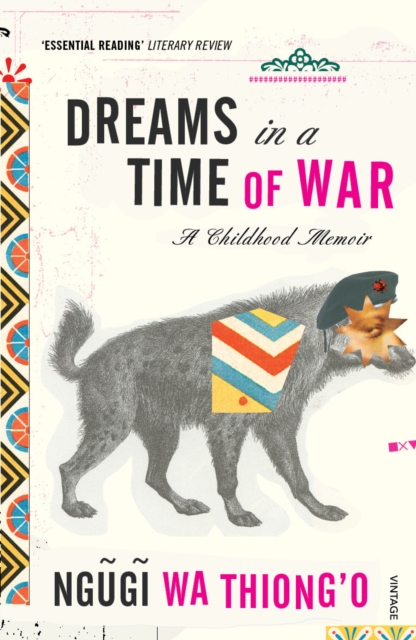
Dreams in a Time of War
KSh 3,050.00
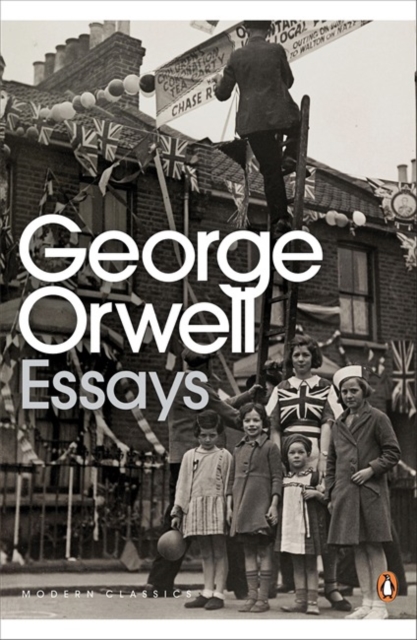
Modern Classics Penguin Essays of George Orwell
KSh 2,700.00

On Writing
KSh 2,000.00

To the Lighthouse
KSh 1,450.00
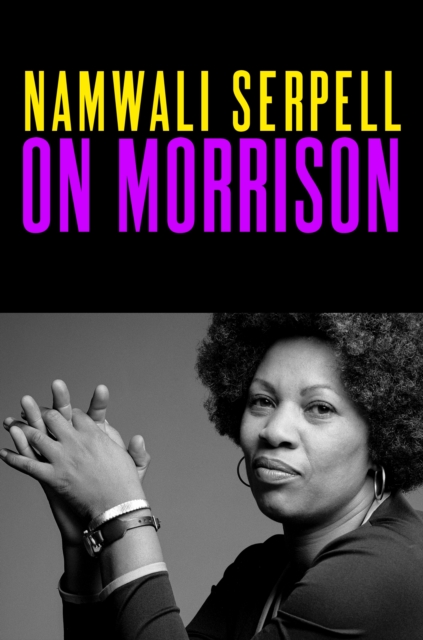
On Morrison
KSh 4,500.00

Africa''s Tarnished Name
KSh 700.00
C. S. Lewis
KSh 1,800.00

Life in Letters
KSh 5,400.00

By Grand Central Station I
KSh 1,800.00
Wide Sargasso Sea
KSh 1,800.00

Mom and Me and Mom
KSh 2,000.00
Jorge Luis Borges
KSh 1,800.00
