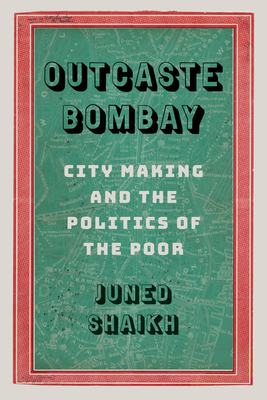
Outcaste Bombay : City Making and the Politics of the Poor
Book Details
Delivery Location
Delivery fee: Select location
Caste, class, and development converge in a booming metropolis
Over the course of the twentieth century, Bombay''s population grew twentyfold as the city became increasingly industrialized and cosmopolitan. Yet beneath a veneer of modernity, old prejudices endured, including the treatment of the Dalits. Even as Indians engaged with aspects of modern life, including the Marxist discourse of class, caste distinctions played a pivotal role in determining who was excluded from the city''s economic transformations. Labor historian Juned Shaikh documents the symbiosis between industrial capitalism and the caste system, mapping the transformation of the city as urban planners marked Dalit neighborhoods as slums that needed to be demolished in order to build a modern Bombay.
Drawing from rare sources written by the urban poor and Dalits in the Marathi language—including novels, poems, and manifestos—Outcaste Bombay examines how language and literature became a battleground for cultural politics. Through careful scrutiny of one city''s complex social fabric, this study illuminates issues that remain vital for labor activists and urban planners around the world.
Get Outcaste Bombay by Juned Shaikh at the best price and quality guaranteed only at Werezi Africa's largest book ecommerce store. The book was published by University of Washington Press and it has 242 pages.
Customers Who Bought This Also Bought

From Third World to First
KSh 3,200.00

Breakneck
KSh 4,500.00

India After Gandhi
KSh 4,850.00

Anarchy
KSh 2,700.00

On China
KSh 3,400.00
Apostles of Development
KSh 5,600.00
Shattered Lands
KSh 2,000.00
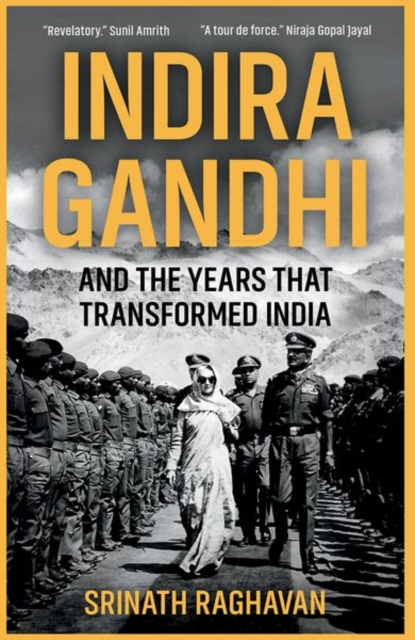
Indira Gandhi and the Years that Transformed India
KSh 5,050.00
India: A Wounded Civilization
KSh 2,000.00
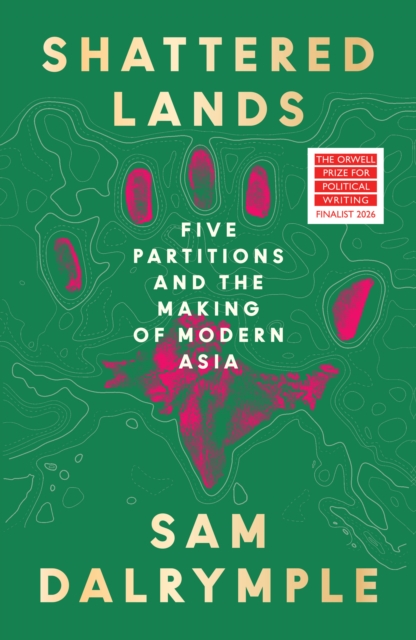
Shattered Lands
KSh 3,200.00

Games without Rules
KSh 2,900.00

Ghost Nation
KSh 3,950.00