
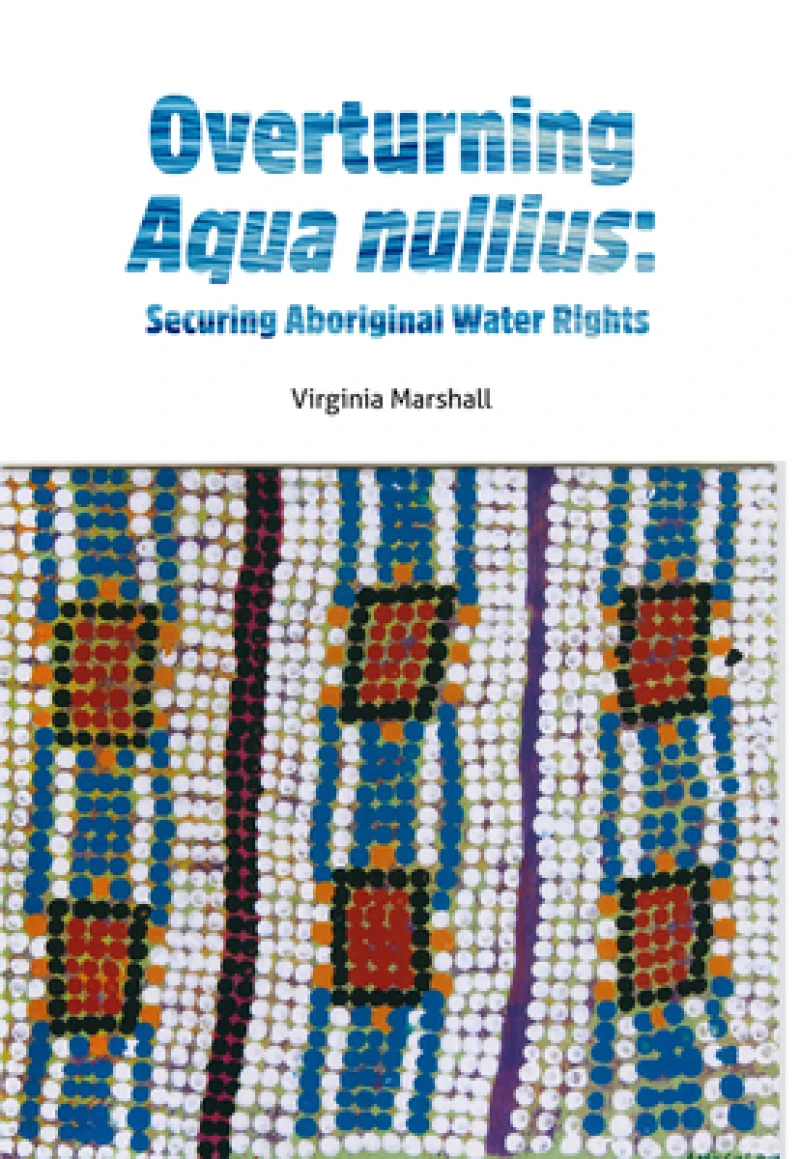
Overturning Aqua nullius : Securing Aboriginal water rights
Book Details
Format
Paperback / Softback
ISBN-10
1922059099
ISBN-13
9781922059093
Publisher
Aboriginal Studies Press
Imprint
Aboriginal Studies Press
Country of Manufacture
AU
Country of Publication
GB
Publication Date
Feb 1st, 2017
Print length
256 Pages
Weight
616 grams
Dimensions
15.50 x 23.40 x 2.50 cms
Ksh 4,850.00
Werezi Extended Catalogue
0 in stock
Delivery Location
Delivery fee: Select location
Secure
Quality
Fast
Aboriginal peoples in Australia have the oldest living cultures in the world. From 1788 the British colonisation of Australia marginalised Aboriginal communities from land and water resources and their traditional rights and interests. More recently, the national water reforms further disenfranchised Aboriginal communities from their property rights in water, continuing to embed severe disadvantage. Overturning aqua nullius aims to cultivate a new understanding of Aboriginal water rights and interests in the context of Aboriginal water concepts and water policy development in Australia. In this award-winning work, Dr Marshall argues that Aboriginal water rights require legal recognition as property rights, and that water access and water infrastructure are integral to successful economic enterprise in Aboriginal communities. Aboriginal peoples social, cultural and economic certainty rests on their right to control and manage customary water. Drawing on the United Nations Declaration on the Rights of Indigenous Peoples, Marshall argues that the reservation of Aboriginal water rights needs to be prioritised above the water rights and interests of other groups. It is only then that we can sweep away the injustice of aqua nullius and provide the first Australians with full recognition and status of their water rights and interests.
Get Overturning Aqua nullius by at the best price and quality guaranteed only at Werezi Africa's largest book ecommerce store. The book was published by Aboriginal Studies Press and it has pages.

