

Pakistan : A Kaleidoscope of Islam
Book Details
Format
Paperback / softback
ISBN-10
1787383229
ISBN-13
9781787383227
Publisher
C Hurst & Co Publishers Ltd
Imprint
C Hurst & Co Publishers Ltd
Country of Manufacture
GB
Country of Publication
GB
Publication Date
Mar 19th, 2020
Print length
256 Pages
Weight
440 grams
Dimensions
14.70 x 22.20 x 2.40 cms
Product Classification:
IslamSociologyAnthropology
KSh 4,500.00
Currently unavailable
0 in stock
Delivery Location
Delivery fee: Select location
Secure
Quality
Fast
This collection of essays brings together two sets of articles and book chapters by Mariam Abou Zahab, the extraordinary late scholar of Islam in South Asia. The first part of the volume examines Shia–Sunni relations in Pakistan, while the second concerns violent Islamism in the country, covering both the Talibanisation of the Pashtun belt and the jihadi dimension of South Asian Salafism. Throughout these texts, Abou Zahab explores the many reasons why Pakistan has been the crucible of political Islam. She offers a historical view of this development, factoring in the impact of colonialism and conflict, including the Soviet-Afghan War and the post-9/11 Western military operations in Afghanistan. While making clear the major importance of these external influences, from Saudi Arabia and Iran to the US, she also places Pakistan's political Islam in the context of local cultures, mobilising her anthropological erudition without ever indulging in culturalism. Finally, she emphasises the sociological determinants of sectarianism, Talibanism and jihadism, as well as the political economy of these ideologies. Abou Zahab's knowledge is exhaustive, but in these papers she offers an elegant synthesis in which each word matters. This volume is indispensable for understanding the present dynamics of Pakistan.
This collection of essays brings together two sets of articles and book chapters by Mariam Abou Zahab, the extraordinary late scholar of Islam in South Asia. The first part of the volume examines Shia–Sunni relations in Pakistan, while the second concerns violent Islamism in the country, covering both the Talibanisation of the Pashtun belt and the jihadi dimension of South Asian Salafism. Throughout these texts, Abou Zahab explores the many reasons why Pakistan has been the crucible of political Islam. She offers a historical view of this development, factoring in the impact of colonialism and conflict, including the Soviet-Afghan War and the post-9/11 Western military operations in Afghanistan. While making clear the major importance of these external influences, from Saudi Arabia and Iran to the US, she also places Pakistan''s political Islam in the context of local cultures, mobilising her anthropological erudition without ever indulging in culturalism. Finally, she emphasises the sociological determinants of sectarianism, Talibanism and jihadism, as well as the political economy of these ideologies. Abou Zahab''s knowledge is exhaustive, but in these papers she offers an elegant synthesis in which each word matters. This volume is indispensable for understanding the present dynamics of Pakistan.
Get Pakistan by Mariam Abou Zahab at the best price and quality guaranteed only at Werezi Africa's largest book ecommerce store. The book was published by C Hurst & Co Publishers Ltd and it has 256 pages.
Customers Who Bought This Also Bought
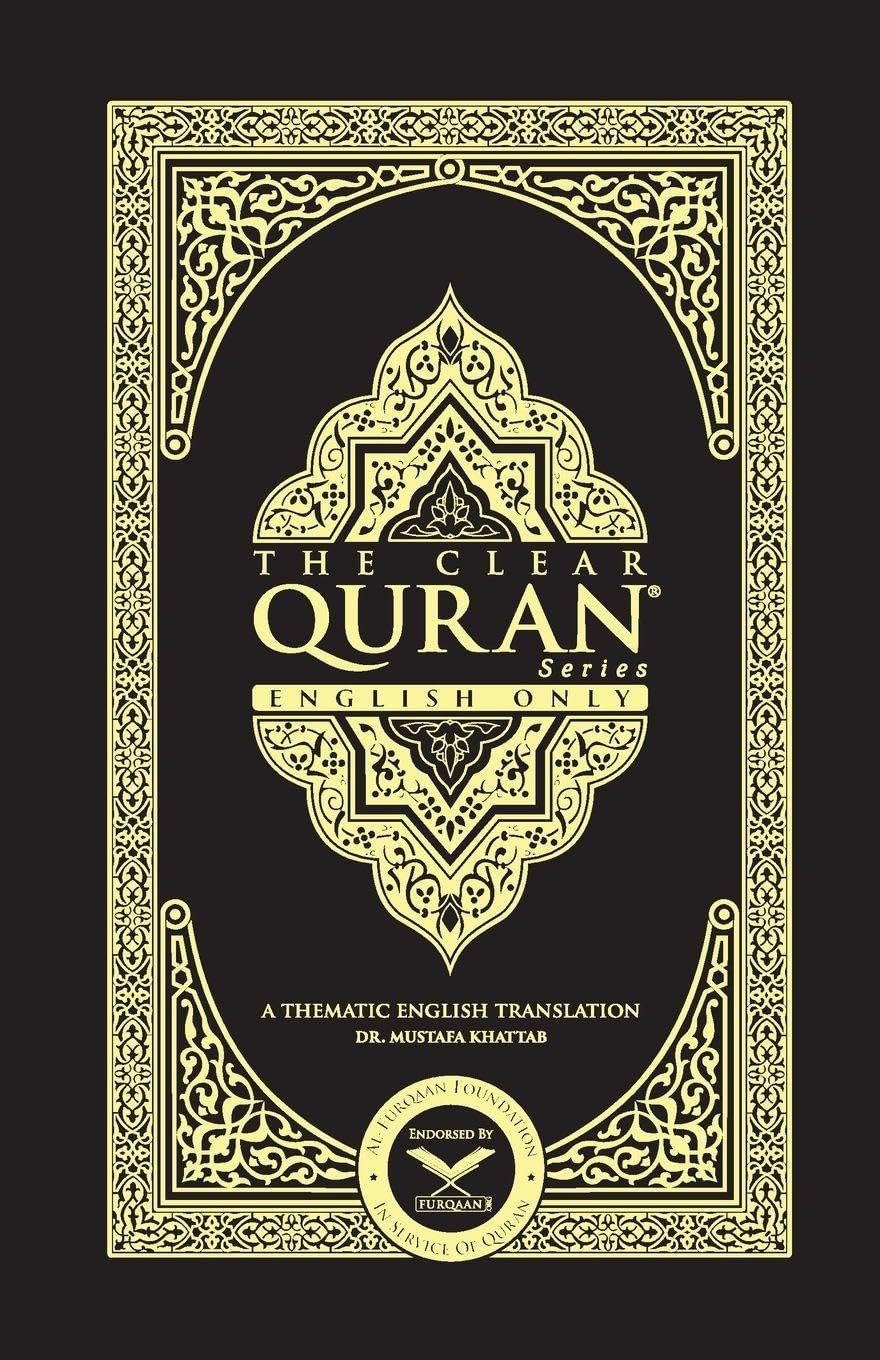
THE CLEAR QURAN- English Only2 Column LayoutPaperback
KSh 4,500.00
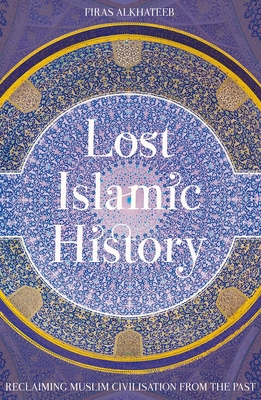
Lost Islamic History
KSh 2,550.00
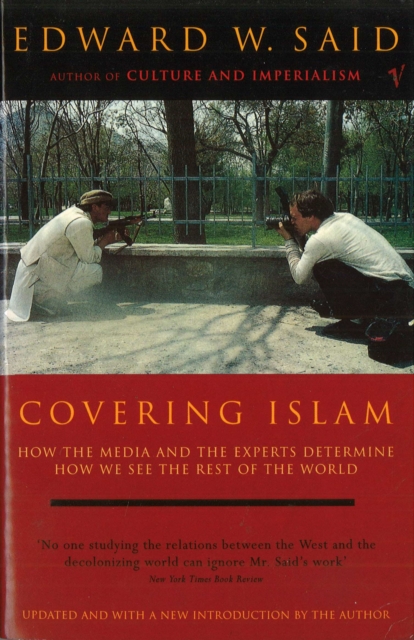
Covering Islam
KSh 2,350.00

Muhammad: His Life Based on the Earliest Sources
KSh 3,600.00
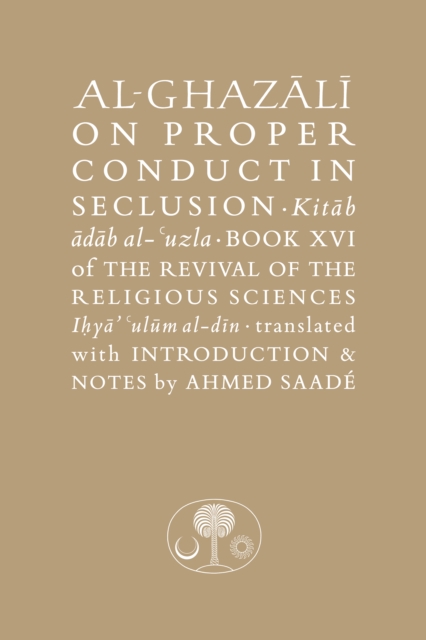
Al-Ghazali on Proper Conduct in Seclusion
KSh 3,050.00
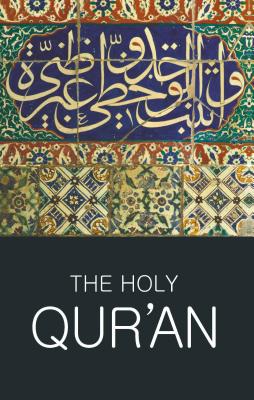
Holy Qur''an
KSh 1,350.00
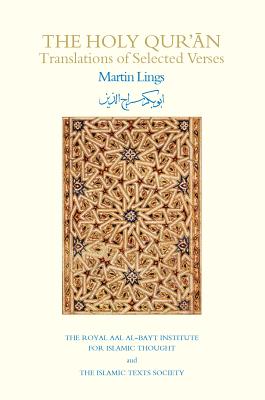
The Holy Qur''an
KSh 5,400.00
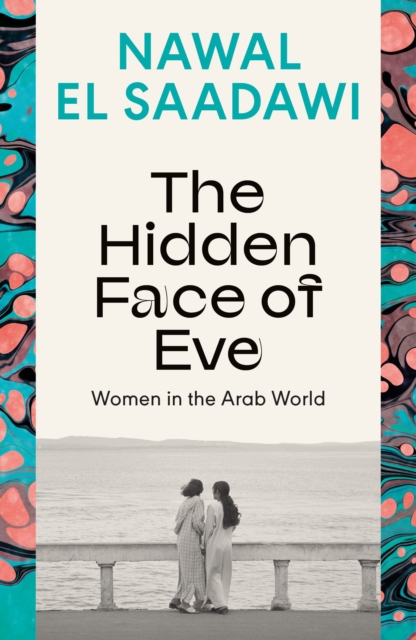
Hidden Face of Eve
KSh 2,900.00
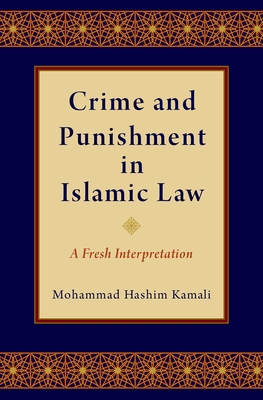
Crime and Punishment in Islamic Law
KSh 10,100.00

Walking through Fire
KSh 2,950.00
The Masnavi, Book One
KSh 1,600.00
A Concise Guide to Islam
KSh 3,600.00


