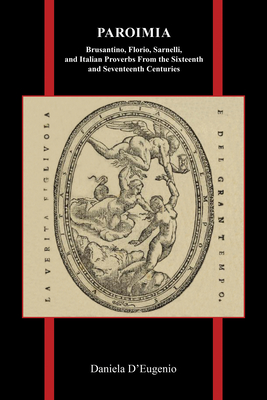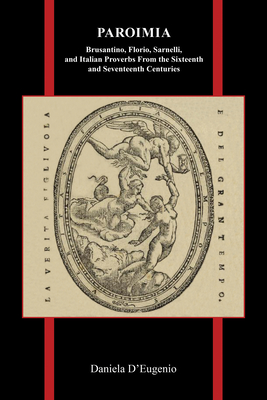
Paroimia : Brusantino, Florio, Sarnelli, and Italian Proverbs from the Sixteenth and Seventeenth Centuries
Book Details
Format
Hardback
Book Series
Purdue Studies in Romance Literatures
ISBN-10
1612496717
ISBN-13
9781612496719
Publisher
Purdue University Press
Imprint
Purdue University Press
Country of Manufacture
GB
Country of Publication
GB
Publication Date
Nov 15th, 2021
Print length
572 Pages
Weight
953 grams
Dimensions
22.80 x 15.20 x 3.10 cms
KSh 14,400.00
Currently unavailable
0 in stock
Delivery Location
Delivery fee: Select location
Secure
Quality
Fast
The analysis of the three authors' proverbs through comparisons with classical, medieval, and early modern collections of maxims and sententiae provides insights on the fluidity of such expressions, and illustrates the tight relationship between proverbs and sociocultural factors.
Proverbs constitute a rich archive of historical, cultural, and linguistic significance that affect genres and linguistics codes. They circulate through writers, texts, and communities in a process that ultimately results in modifications in their structure and meanings. Hence, context plays a crucial role in defining proverbs as well as in determining their interpretation. Vincenzo Brusantino's Le cento novella (1554), John Florio's Firste Fruites (1578) and Second Frutes (1591), and Pompeo Sarnelli's Posilecheata (1684) offer clear representations of how traditional wisdom and communal knowledge reflect the authors' personal perspectives on society, culture, and literature. The analysis of the three authors' proverbs through comparisons with classical, medieval, and early modern collections of maxims and sententiae provides insights on the fluidity of such expressions, and illustrates the tight relationship between proverbs and sociocultural factors. Brusantino's proverbs introduce ethical interpretations to the one hundred novellas of Boccaccio's The Decameron, which he rewrites in octaves of hendecasyllables. His text appeals to Counter-Reformation society and its demand for a comprehensible and immediately applicable morality. In Florio's two bilingual manuals, proverbs fulfill a need for language education in Elizabethan England through authentic and communicative instruction. Florio manipulates the proverbs' vocabulary and syntax to fit the context of his dialogues, best demonstrating the value of learning Italian in a foreign country. Sarnelli's proverbs exemplify the inherent creative and expressive potentialities of the Neapolitan dialect vis-?á-vis languages with a more robust literary tradition. As moral maxims, ironic assessments, or witty insertions, these proverbs characterize the Neapolitan community in which the fables take place.
Get Paroimia by Daniela D'Eugenio at the best price and quality guaranteed only at Werezi Africa's largest book ecommerce store. The book was published by Purdue University Press and it has 572 pages.
Customers Who Bought This Also Bought

Decolonising the Mind
KSh 4,700.00
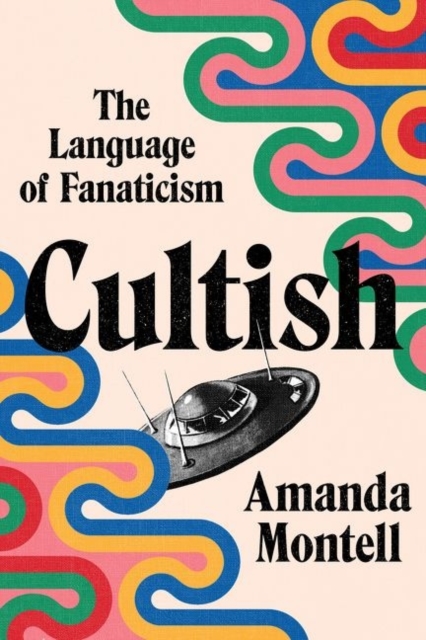
Cultish
KSh 2,350.00

Digital Plurilingual Pedagogies in Teacher Education
KSh 27,900.00

Linguistic Landscape Studies of Global Chinese
KSh 30,800.00
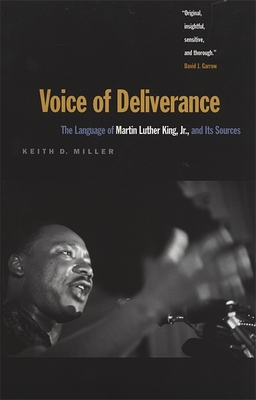
Voice of Deliverance
KSh 6,450.00

Romania Africana
KSh 32,750.00

Second Language Learning and the COVID-19 Pandemic
KSh 21,250.00

Literacy Mediation
KSh 30,950.00

That''s Not What I Meant!
KSh 1,850.00

Construction Grammar and Sociolinguistic Theory
KSh 20,450.00

The Climate Turn in Language Teaching
KSh 3,250.00
The Cambridge Handbook of Sociolinguistics
KSh 30,100.00