
Cart 0
Patterns of Wisdom in Safavid Iran
Click to zoom

Share this book

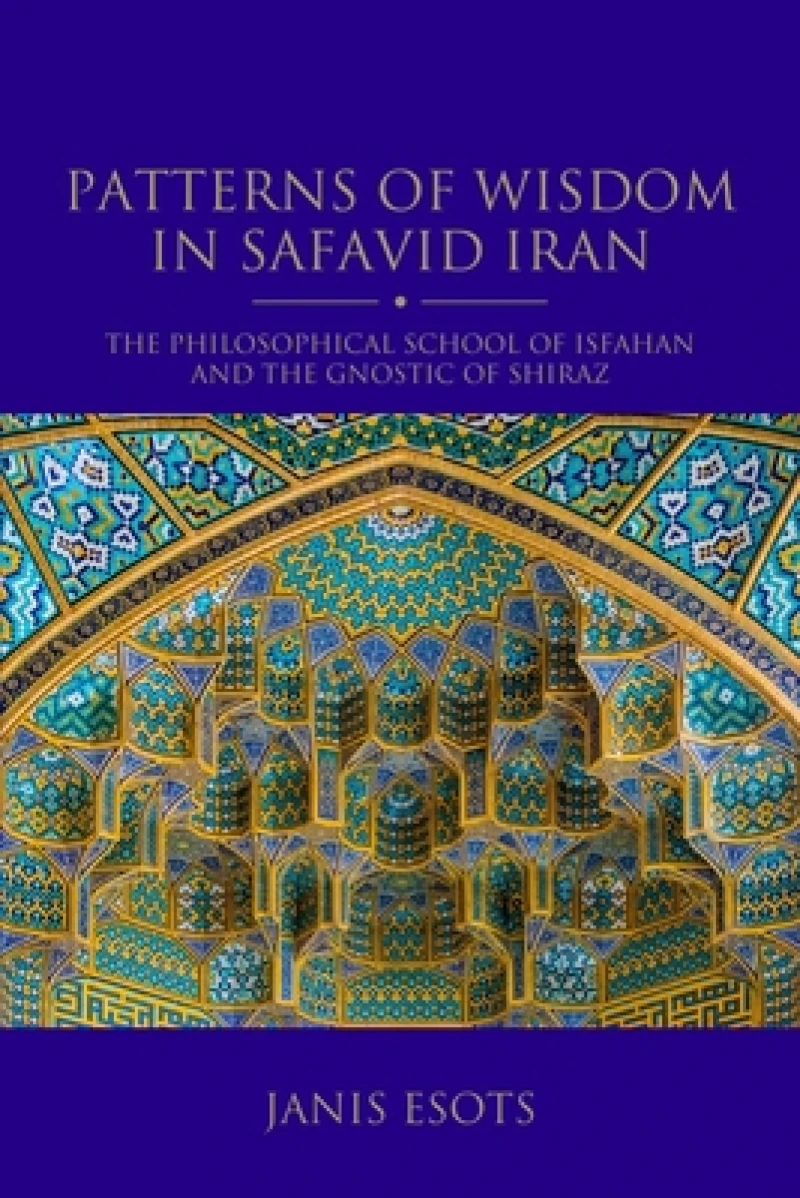
Patterns of Wisdom in Safavid Iran : The Philosophical School of Isfahan and the Gnostic of Shiraz

Book Details

Format Paperback / Softback
ISBN-10 0755644913
ISBN-13 9780755644919
Publisher Bloomsbury Publishing PLC
Imprint I.B. Tauris
Country of Manufacture GB
Country of Publication GB
Publication Date Nov 18th, 2021
Print length 280 Pages
Weight 452 grams
Dimensions 23.40 x 15.40 x 2.20 cms
Ksh 4,850.00
Werezi Extended Catalogue Delivery in 28 days

Delivery Location

Delivery fee: Select location

Delivery in 28 days

Secure
Quality
Fast
I.B. Tauris in association with the Institute of Ismaili StudiesThe exceptional intellectual richness of seventeenth-century Safavid Iran is epitomised by the philosophical school of Isfahan, and in particular by its ostensible founder, Mir Damad (d. 1631), and his great student Mulla Sadra (aka Sadr al-Din Shirazi, d. 1636). Equally important to the school is the apophatic wisdom of Rajab 'Ali Tabrizi that followed later (d. 1669/70). However, despite these philosophers’ renown, the identification of the 'philosophical school of Isfahan' was only proposed in 1956, by the celebrated French Iranologist Henry Corbin, who noted the unifying Islamic Neoplatonist character of some 20 thinkers and spiritual figures; this grouping has subsequently remained unchallenged for some fifty years. In this highly original work, Janis Esots investigates the legitimacy of the term 'school', delving into the complex philosophies of these three major Shi'i figures and drawing comparisons between them. The author makes the case that Mulla Sadra’s thought is independent and actually incompatible with the thoughts of Mir Damad and Rajab Ali Tabrizi. This not only presents a new way of thinking about how we understand the ‘school of Isfahan’, it also identifies Mir Damad and Rajab Ali Tabrizi as pioneers in their own right.

I.B. Tauris in association with the Institute of Ismaili Studies

The exceptional intellectual richness of seventeenth-century Safavid Iran is epitomised by the philosophical school of Isfahan, and in particular by its ostensible founder, Mir Damad (d. 1631), and his great student Mulla Sadra (aka Sadr al-Din Shirazi, d. 1636). Equally important to the school is the apophatic wisdom of Rajab ''Ali Tabrizi that followed later (d. 1669/70).

However, despite these philosophers’ renown, the identification of the ''philosophical school of Isfahan'' was only proposed in 1956, by the celebrated French Iranologist Henry Corbin, who noted the unifying Islamic Neoplatonist character of some 20 thinkers and spiritual figures; this grouping has subsequently remained unchallenged for some fifty years.

In this highly original work, Janis Esots investigates the legitimacy of the term ''school'', delving into the complex philosophies of these three major Shi''i figures and drawing comparisons between them. The author makes the case that Mulla Sadra’s thought is independent and actually incompatible with the thoughts of Mir Damad and Rajab Ali Tabrizi. This not only presents a new way of thinking about how we understand the ‘school of Isfahan’, it also identifies Mir Damad and Rajab Ali Tabrizi as pioneers in their own right.


Get Patterns of Wisdom in Safavid Iran by at the best price and quality guaranteed only at Werezi Africa's largest book ecommerce store. The book was published by Bloomsbury Publishing PLC and it has pages.


Mind, Body, & Spirit

Price

Ksh 4,850.00

Shopping Cart

Africa largest book store

Sub Total:
Ebooks

Digital Library
Coming Soon

Our digital collection is currently being curated to ensure the best possible reading experience on Werezi. We'll be launching our Ebooks platform shortly.