Peacebuilding Legacy : Programming for Change and Young People's Attitudes to Peace
Book Details
Format
Hardback
ISBN-10
0192863983
ISBN-13
9780192863980
Publisher
Oxford University Press
Imprint
Oxford University Press
Country of Manufacture
GB
Country of Publication
GB
Publication Date
Sep 13th, 2022
Print length
334 Pages
Weight
668 grams
Dimensions
24.00 x 16.50 x 2.70 cms
KSh 19,400.00
Currently unavailable
0 in stock
Delivery Location
Delivery fee: Select location
Secure
Quality
Fast
Peacebuilding Legacies addresses an important gap relating to the long-term effects of peacebuilding programmes involving children and young people. Podder unpacks the concept of peacebuilding legacy through the lens of time, transformation, and intergenerational peace.
A fundamental challenge plagues the global peacebuilding community. How can technocratic approaches to peacebuilding that are rooted in short-term, project-based execution of activities, further the longer-term transformative outcomes like altering young people''s attitudes and beliefs about peace and violence?In response to this global challenge, in Peacebuilding Legacy, Sukanya Podder analyzes the long-term effects of peacebuilding programmes involving children and young people. Podder unpacks the concept of peacebuilding legacy through the lens of time, transformation, and intergenerational peace. Podder also develops unique qualitative cues for measuring legacy in terms of the institutional, normative, and organizational logics. If norms resonate strongly with the local context, they are likely to encourage strong retention and meaningful adoption over time. Successful institutionalization of project models through planned handover to successor national organizations, or government departments, holds the key to stronger local ownership. Organizational learning and reflection can support this process through a more strategic approach to programming, and through post-exit studies. Regarding attitude change, Podder found that, the media and peace education projects that targeted individuals'' ingrained beliefs and values but overlooked the role of group social norms had only limited persuasive effects. To shift the values, practices, norms, and beliefs of the younger generation, the mindset of the older generation must also be targeted. Changes in the legal, political, economic, and other social institutions are critical for long-term and meaningful transformation. This requires adopting an ecological model of peace.
Get Peacebuilding Legacy by Sukanya Podder at the best price and quality guaranteed only at Werezi Africa's largest book ecommerce store. The book was published by Oxford University Press and it has 334 pages.
Customers Who Bought This Also Bought

Letters to My Palestinian Neighbor
KSh 3,400.00

Leadership
KSh 2,700.00
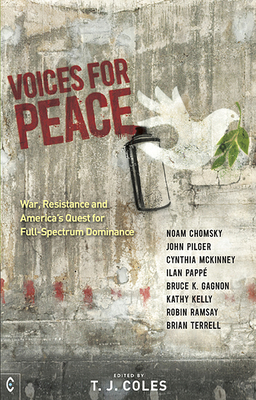
Voices for Peace
KSh 2,000.00

What You Have Heard Is True
KSh 2,350.00

To Perpetual Peace
KSh 2,000.00
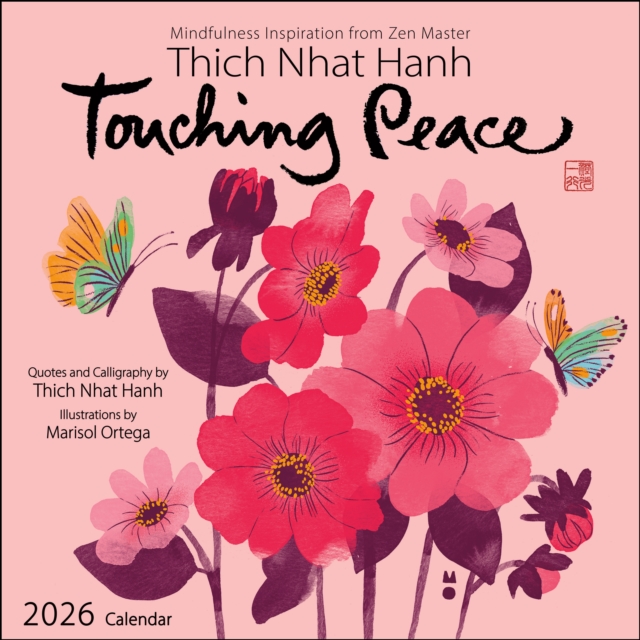
Thich Nhat Hanh 2026 Wall Calendar
KSh 2,150.00

Israel’s Palestinians
KSh 4,700.00

Routledge Handbook on China-Middle East Relations
KSh 9,250.00

The One State Reality
KSh 6,000.00

Coming Storm
KSh 3,950.00

How to Spot a Fascist
KSh 1,100.00

Israel’s Palestinians
KSh 8,800.00