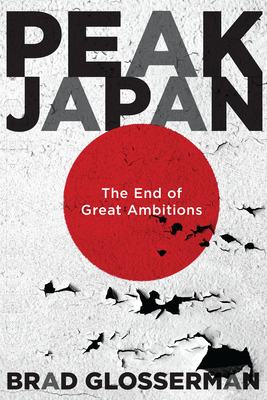
Peak Japan : The End of Great Ambitions
Book Details
Format
Hardback
ISBN-10
1626166684
ISBN-13
9781626166684
Publisher
Georgetown University Press
Imprint
Georgetown University Press
Country of Manufacture
US
Country of Publication
GB
Publication Date
Apr 1st, 2019
Print length
272 Pages
Weight
560 grams
Dimensions
16.20 x 23.70 x 2.40 cms
Product Classification:
Asian historyAsian history
KSh 5,200.00
Currently unavailable
0 in stock
Delivery Location
Delivery fee: Select location
Secure
Quality
Fast
The post-Cold War era has been difficult for Japan. A country once heralded for evolving a superior form of capitalism and seemingly ready to surpass the United States as the world’s largest economy lost its way in the early 1990s. The bursting of the bubble in 1991 ushered in a period of political and economic uncertainty that has lasted for over two decades. There were hopes that the triple catastrophe of March 11, 2011—a massive earthquake, tsunami, and accident at the Fukushima Daiichi nuclear power plant—would break Japan out of its torpor and spur the country to embrace change that would restart the growth and optimism of the go-go years. But several years later, Japan is still waiting for needed transformation, and Brad Glosserman concludes that the fact that even disaster has not spurred radical enough reform reveals something about Japan's political system and Japanese society. Glosserman explains why Japan has not and will not change, concluding that Japanese horizons are shrinking and that the Japanese public has given up the bold ambitions of previous generations and its current leadership. This is a critical insight into contemporary Japan and one that should shape our thinking about this vital country.
Get Peak Japan by Brad Glosserman at the best price and quality guaranteed only at Werezi Africa's largest book ecommerce store. The book was published by Georgetown University Press and it has 272 pages.
Customers Who Bought This Also Bought

From Third World to First
KSh 3,200.00

Breakneck
KSh 4,500.00

India After Gandhi
KSh 4,850.00

Anarchy
KSh 2,700.00

On China
KSh 3,400.00
Apostles of Development
KSh 5,600.00
Shattered Lands
KSh 2,000.00
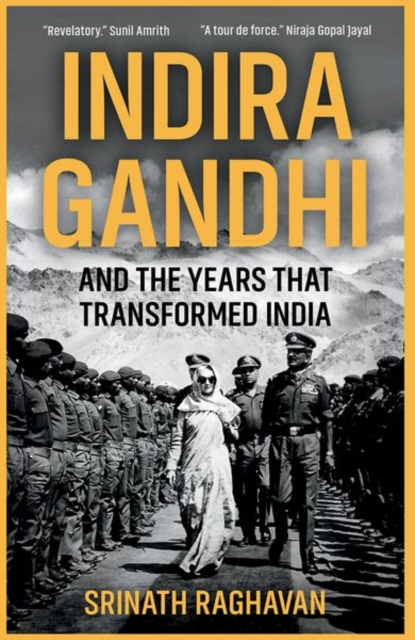
Indira Gandhi and the Years that Transformed India
KSh 5,050.00
India: A Wounded Civilization
KSh 2,000.00
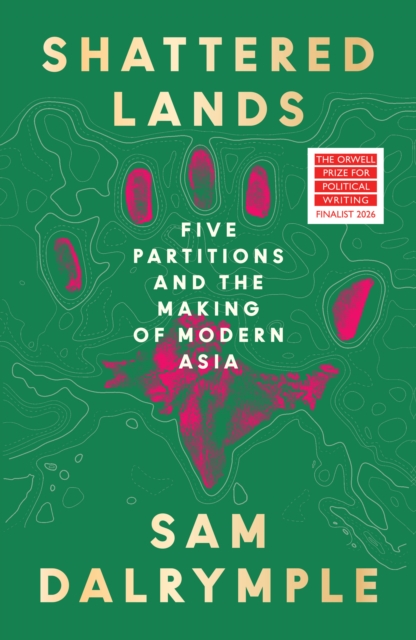
Shattered Lands
KSh 3,200.00

Games without Rules
KSh 2,900.00

Ghost Nation
KSh 3,950.00