
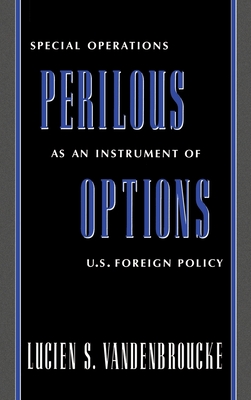
Perilous Options : Special Operations as an Instrument of US Foreign Policy
Book Details
Format
Hardback
ISBN-10
0195045912
ISBN-13
9780195045918
Publisher
Oxford University Press Inc
Imprint
Oxford University Press Inc
Country of Manufacture
GB
Country of Publication
GB
Publication Date
Dec 16th, 1993
Print length
272 Pages
Weight
522 grams
Dimensions
16.00 x 23.70 x 2.50 cms
Product Classification:
Central governmentWar & defence operations
KSh 22,150.00
Temporarily out of stock, due soon
0 in stock
Delivery Location
Delivery fee: Select location
Secure
Quality
Fast
Explains why most special operations the USA has conducted in recent years to achieve key foreign policy objectives have failed. Includes an in-depth examination, based extensively on primary material, of the Bay of Pigs, the Sontay raid, the Mayaguez operation, and the Iran rescue mission. Also examines recent efforts to revitalize US special operations.
In the past three decades, the United States government has used special operations repeatedly in an effort to achieve key foreign policy objectives, such as in the overthrow of Fidel Castro in Cuba and the rescuing of American hostages in Iran. Many of these secret missions carried out by highly trained commando forces have failed. In Perilous Options, Lucien Vandenbroucke examines the use and misuse of such special operations through an in-depth analysis of four operations--the Bay of Pigs invasion, the Sontay raid to rescue P.O.W.s in North Vietnam, the Mayaguez operation, and the Iran hostage rescue mission. Drawing extensively on declassified government documents, interviews with key decision makers and participants in these episodes, and other primary material, Perilous Options identifies recurrent problems in the way the United States government has prepared and executed such operations. These recurrent problems, outlined by key participants in these four special operations, include faulty intelligence, poor interagency and interservice cooperation and coordination, inadequate information and advice provided to decisionmakers, wishful thinking on the part of decisionmakers, and overcontrol of mission execution from outside the theater of operations. Vandenbroucke also explores the extent to which recent efforts to revitalize the U.S. operations capability have addressed these problems, identifying additional changes that can improve the government''s ability to plan, evaluate, and execute such operations.
Get Perilous Options by Lucien S. Vandenbroucke at the best price and quality guaranteed only at Werezi Africa's largest book ecommerce store. The book was published by Oxford University Press Inc and it has 272 pages.
Customers Who Bought This Also Bought
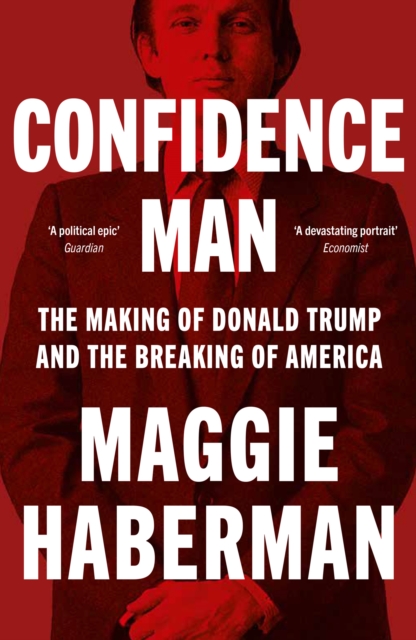
Confidence Man
KSh 2,350.00
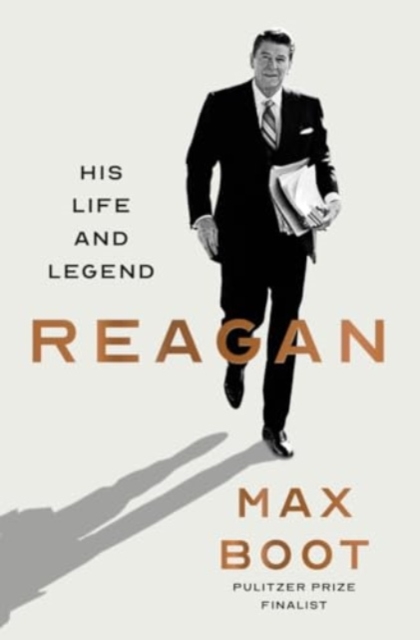
Reagan – His Life and Legend
KSh 6,950.00

We the People
KSh 5,400.00
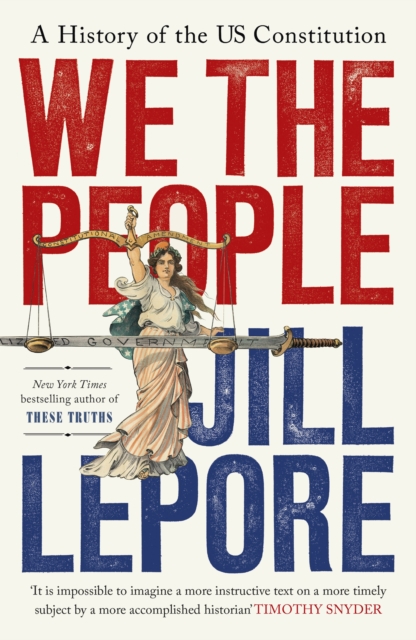
We the People
KSh 3,850.00

This America: The Case for the Nation
KSh 2,350.00

American Beast
KSh 2,700.00

Confidence Man
KSh 3,050.00
The Atomistic Congress
KSh 7,950.00
Occupational Hazards
KSh 2,350.00

Truss at 10
KSh 3,950.00

Truss at 10
KSh 2,350.00
Beyond Westminster in the Caribbean
KSh 4,150.00
