
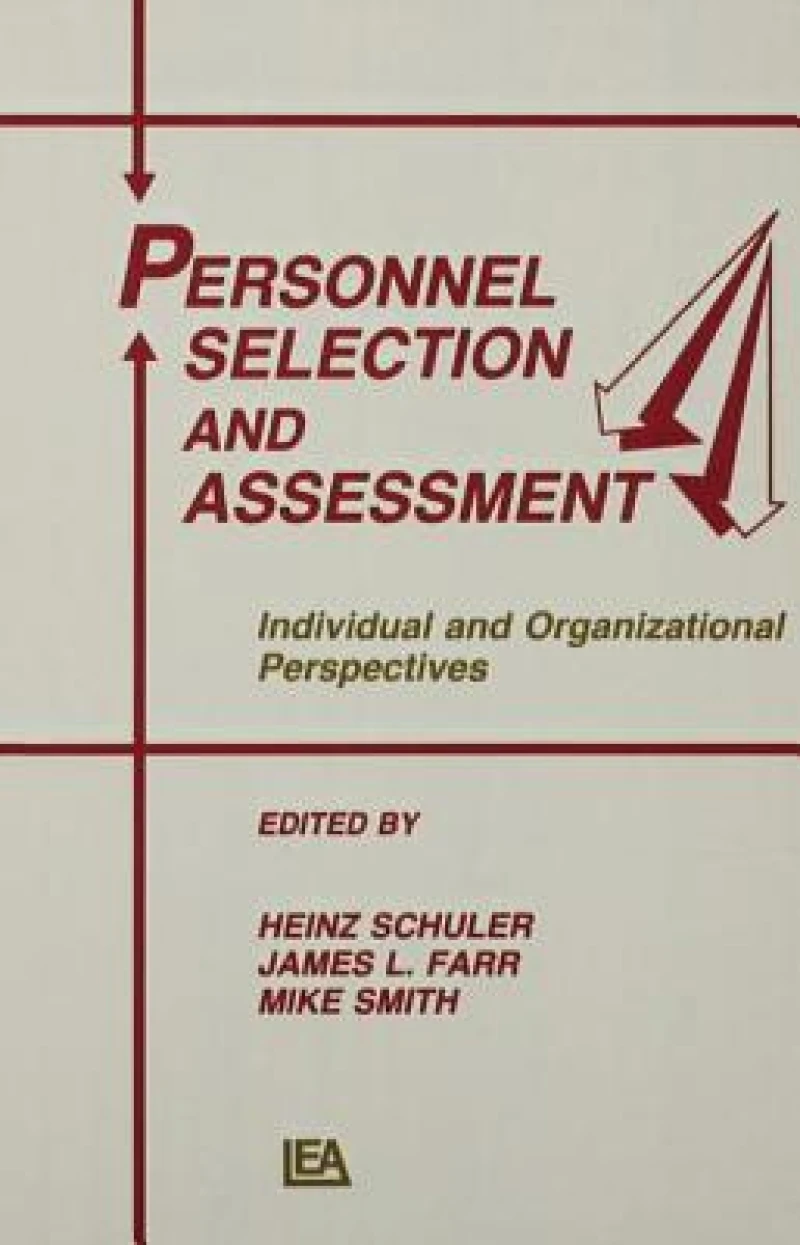
Personnel Selection and Assessment : Individual and Organizational Perspectives
Book Details
Format
Paperback / Softback
Book Series
Applied Psychology Series
ISBN-10
1138978264
ISBN-13
9781138978263
Publisher
Taylor & Francis Ltd
Imprint
Psychology Press Ltd
Country of Manufacture
GB
Country of Publication
GB
Publication Date
Feb 29th, 2016
Print length
392 Pages
Weight
570 grams
Dimensions
15.40 x 22.90 x 3.10 cms
Ksh 9,600.00
Werezi Extended Catalogue
0 in stock
Delivery Location
Delivery fee: Select location
Secure
Quality
Fast
The impetus for this volume came from the editors' belief that most current research and thinking about personnel selection and assessment in organizations considered only the perspective of the employer. The job applicant seeking to join the organization or the employee being considered for promotion or reassignment was typically given little attention from the designers of employment or assessment systems. They believed that this imbalance had several negative implications: 1. Organizational selection and assessment appeared to be the principal area within work and organizational psychology that had forgotten a basic tenet of the profession of psychology, namely, that the welfare of the individual is paramount. 2. A lack of concern for the individuals who were being assessed could result in additional criticisms of psychological assessment in employment settings. 3. The acceptability of selection and assessment devices and systems may impact in (largely) unknown ways on the decisions of individuals to apply for jobs or transfers, thus affecting the selection ratio and potential utility of such systems. 4. Individual reactions to the characteristics of assessment and selection devices could affect the accuracy of the information obtained about those individuals, adversely affecting the reliability and validity of resulting personnel decisions. Informally discussing these concerns with their professional colleagues, the editors found that others were similarly troubled. Their next response was to organize a three day conference bringing together a number of researchers in applied psychology to present papers and participate in discussions related to balancing individual and organizational needs in selection and assessment. Revisions of the papers presented at this conference form the core of this volume.
The impetus for this volume came from the editors'' belief that most current research and thinking about personnel selection and assessment in organizations considered only the perspective of the employer. The job applicant seeking to join the organization or the employee being considered for promotion or reassignment was typically given little attention from the designers of employment or assessment systems.
They believed that this imbalance had several negative implications:
1. Organizational selection and assessment appeared to be the principal area within work and organizational psychology that had forgotten a basic tenet of the profession of psychology, namely, that the welfare of the individual is paramount.
2. A lack of concern for the individuals who were being assessed could result in additional criticisms of psychological assessment in employment settings.
3. The acceptability of selection and assessment devices and systems may impact in (largely) unknown ways on the decisions of individuals to apply for jobs or transfers, thus affecting the selection ratio and potential utility of such systems.
4. Individual reactions to the characteristics of assessment and selection devices could affect the accuracy of the information obtained about those individuals, adversely affecting the reliability and validity of resulting personnel decisions.
Informally discussing these concerns with their professional colleagues, the editors found that others were similarly troubled. Their next response was to organize a three day conference bringing together a number of researchers in applied psychology to present papers and participate in discussions related to balancing individual and organizational needs in selection and assessment. Revisions of the papers presented at this conference form the core of this volume.
They believed that this imbalance had several negative implications:
1. Organizational selection and assessment appeared to be the principal area within work and organizational psychology that had forgotten a basic tenet of the profession of psychology, namely, that the welfare of the individual is paramount.
2. A lack of concern for the individuals who were being assessed could result in additional criticisms of psychological assessment in employment settings.
3. The acceptability of selection and assessment devices and systems may impact in (largely) unknown ways on the decisions of individuals to apply for jobs or transfers, thus affecting the selection ratio and potential utility of such systems.
4. Individual reactions to the characteristics of assessment and selection devices could affect the accuracy of the information obtained about those individuals, adversely affecting the reliability and validity of resulting personnel decisions.
Informally discussing these concerns with their professional colleagues, the editors found that others were similarly troubled. Their next response was to organize a three day conference bringing together a number of researchers in applied psychology to present papers and participate in discussions related to balancing individual and organizational needs in selection and assessment. Revisions of the papers presented at this conference form the core of this volume.
Get Personnel Selection and Assessment by at the best price and quality guaranteed only at Werezi Africa's largest book ecommerce store. The book was published by Taylor & Francis Ltd and it has pages.

